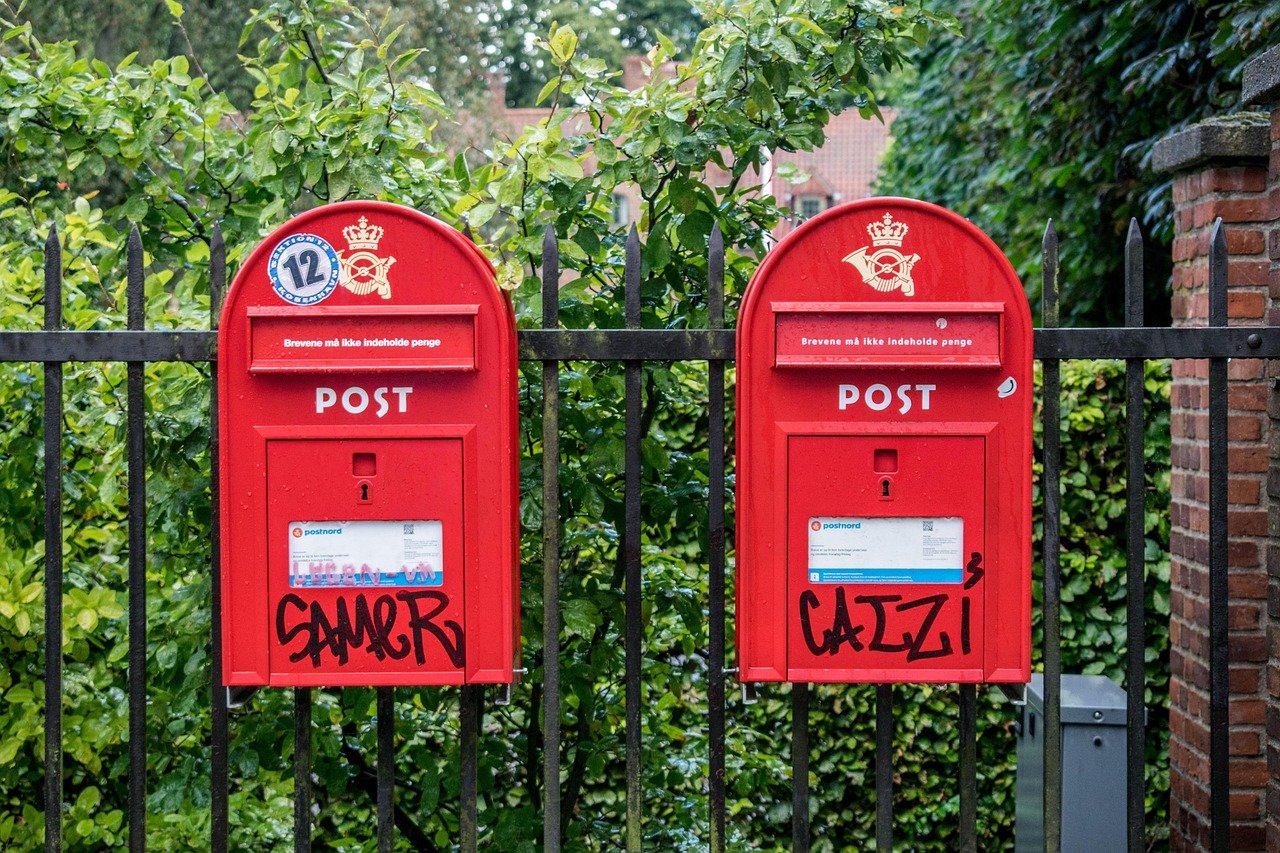
Email marketing: it’s been around for decades, yet it remains one of the most effective digital marketing channels for connecting with your audience, nurturing leads, and driving sales. In a world saturated with social media and fleeting trends, email offers a direct line to your customers, allowing you to deliver personalized messages, build lasting relationships, and achieve tangible business results. Let’s dive deep into the world of email marketing and discover how to leverage its power for your business.
Building Your Email List
The Importance of a Quality List
Your email list is the foundation of your entire email marketing strategy. It’s not just about the number of subscribers; it’s about the quality and engagement of those subscribers. A smaller list of highly engaged recipients is far more valuable than a large list of disinterested ones.
- Targeted Audience: A quality list consists of people who are genuinely interested in your products, services, or content.
- Higher Engagement: Engaged subscribers are more likely to open your emails, click on links, and make purchases.
- Improved Deliverability: Email providers reward senders with high engagement rates, leading to better deliverability and fewer emails landing in the spam folder.
Effective List-Building Strategies
Building a high-quality email list requires a strategic approach. Avoid purchasing email lists, as they often contain outdated or invalid addresses and can damage your sender reputation. Instead, focus on organic growth strategies:
- Offer a Valuable Incentive: Provide something of value in exchange for signing up, such as a free e-book, discount code, webinar access, or free trial. For example, a SaaS company might offer a free 14-day trial in exchange for an email address.
- Use Opt-in Forms: Implement clear and visually appealing opt-in forms on your website, blog, and social media pages. Ensure GDPR compliance by using double opt-in, where subscribers confirm their subscription via email.
- Run Contests and Giveaways: Host contests and giveaways to attract new subscribers. Promote them across your social media channels and make it easy for people to enter with their email address.
- Create Lead Magnets: Design compelling lead magnets that address a specific problem or need of your target audience. Offer these lead magnets in exchange for an email address on dedicated landing pages. A blog about gardening could offer a free guide to “The Top 10 Flowers to Attract Butterflies to Your Garden.”
- Promote Your Newsletter in Existing Content: Include call-to-actions within your blog posts, videos, and other content, encouraging viewers and readers to subscribe to your email list.
Segmenting Your List
Once you have an email list, segmenting it into smaller, more targeted groups is crucial for delivering relevant and personalized content. Segmentation allows you to send the right message to the right people at the right time.
- Demographic Segmentation: Segment based on age, gender, location, occupation, and other demographic data.
- Behavioral Segmentation: Segment based on past purchases, website activity, email engagement, and other behavioral data. For instance, you can target users who abandoned their shopping cart with a special discount code.
- Interest-Based Segmentation: Segment based on the topics, products, or services that subscribers have expressed interest in.
- Lifecycle Segmentation: Segment based on where subscribers are in the customer journey (e.g., new subscriber, lead, customer, inactive customer).
Crafting Engaging Email Content
Subject Lines That Get Opened
Your subject line is the first (and sometimes only) chance you have to grab your subscribers’ attention. A compelling subject line is crucial for increasing open rates.
- Keep it Short and Sweet: Aim for around 50 characters or less.
- Create a Sense of Urgency or Scarcity: Use words like “Limited Time,” “Last Chance,” or “Only a Few Left.”
- Personalize the Subject Line: Include the recipient’s name or other relevant information.
- Ask a Question: Pique their curiosity with a thought-provoking question.
- Use Numbers or Emojis: Numbers and emojis can help your email stand out in a crowded inbox.
- Example: “John, Get 20% Off Your Next Order!” or “Last Day! Save on Summer Essentials ☀️”
Body Content That Converts
Once you’ve gotten subscribers to open your email, you need to keep them engaged with compelling and valuable content.
- Write Clear and Concise Copy: Get straight to the point and avoid jargon.
- Use a Conversational Tone: Write like you’re talking to a friend.
- Provide Value: Offer helpful information, exclusive discounts, or entertaining content.
- Use Visuals: Include images, videos, and GIFs to break up the text and make your emails more visually appealing.
- Include a Clear Call to Action (CTA): Tell subscribers exactly what you want them to do, such as “Shop Now,” “Learn More,” or “Download Your Free Guide.” Place your CTA prominently within the email and use action-oriented language.
- Optimize for Mobile: Ensure your emails are responsive and look good on all devices.
Email Design Best Practices
A well-designed email is essential for creating a positive user experience and driving engagement.
- Use a Consistent Brand Identity: Maintain a consistent look and feel across all your emails, including your logo, colors, and fonts.
- Keep it Simple: Avoid cluttering your emails with too much information or too many images.
- Use White Space: Give your content room to breathe by using plenty of white space.
- Use a Clear Hierarchy: Use headings, subheadings, and bullet points to make your emails easy to scan.
- Test Your Emails: Always test your emails on different devices and email clients to ensure they look good and function properly.
Automating Your Email Marketing
What is Email Automation?
Email automation involves using software to send emails automatically based on pre-defined triggers or schedules. This allows you to deliver personalized messages to your subscribers at the right time, without having to manually send each email.
- Welcome Emails: Automatically send a welcome email to new subscribers, introducing them to your brand and providing valuable resources.
- Abandoned Cart Emails: Remind customers about items they left in their shopping cart and encourage them to complete their purchase.
- Birthday Emails: Send a special birthday email to subscribers with a personalized discount or offer.
- Follow-Up Emails: Automatically follow up with leads after they download a lead magnet or request more information.
- Re-engagement Emails: Send emails to inactive subscribers to try to re-engage them. If they don’t respond, consider removing them from your list.
- Example: A customer signs up for your email list. Immediately, they receive a welcome email. Three days later, they receive an email showcasing your most popular products. A week later, they get a special offer. This entire sequence is automated.
Setting Up Automated Email Campaigns
Setting up automated email campaigns requires careful planning and execution.
- Define Your Goals: What do you want to achieve with your automated email campaigns?
- Choose the Right Email Marketing Platform: Select an email marketing platform that offers robust automation features, such as Mailchimp, HubSpot, or ConvertKit.
- Map Out Your Customer Journey: Understand the different stages of your customer journey and create email sequences that align with each stage.
- Create Compelling Email Content: Write engaging and valuable email content that will resonate with your subscribers.
- Set Up Triggers and Schedules: Define the triggers and schedules that will activate your automated emails.
- Test and Optimize Your Campaigns: Continuously monitor the performance of your automated email campaigns and make adjustments as needed.
Benefits of Email Automation
Automating your email marketing can save you time and effort while improving your results.
- Increased Efficiency: Automate repetitive tasks, freeing up your time to focus on other aspects of your business.
- Improved Personalization: Deliver personalized messages to your subscribers at the right time.
- Enhanced Customer Engagement: Keep your subscribers engaged with your brand and build stronger relationships.
- Increased Conversions: Drive more sales and conversions through targeted email campaigns.
Measuring and Optimizing Your Email Marketing Performance
Key Email Marketing Metrics
Tracking your email marketing metrics is essential for understanding what’s working and what’s not. Key metrics to monitor include:
- Open Rate: The percentage of subscribers who opened your email.
- Click-Through Rate (CTR): The percentage of subscribers who clicked on a link in your email.
- Conversion Rate: The percentage of subscribers who completed a desired action, such as making a purchase or filling out a form.
- Bounce Rate: The percentage of emails that could not be delivered.
- Unsubscribe Rate: The percentage of subscribers who unsubscribed from your email list.
- Return on Investment (ROI): The overall profitability of your email marketing campaigns.
A/B Testing Your Emails
A/B testing involves testing different versions of your emails to see which performs better. This allows you to optimize your emails for maximum impact.
- Test Different Subject Lines: See which subject lines generate the highest open rates.
- Test Different Body Content: Experiment with different headlines, copy, images, and CTAs.
- Test Different Email Designs: Try different layouts, colors, and fonts.
- Test Different Send Times: See which send times result in the highest open and click-through rates.
Analyzing Your Results and Making Adjustments
Once you’ve gathered data from your email marketing campaigns, it’s time to analyze your results and make adjustments.
- Identify Trends: Look for patterns in your data to understand what’s working and what’s not.
- Segment Your Data: Analyze your data by segment to see how different groups of subscribers are responding to your emails.
- Make Data-Driven Decisions: Use your data to inform your email marketing strategy and make adjustments to improve your results.
- Continuously Optimize: Email marketing is an ongoing process. Continuously test, analyze, and optimize your campaigns to achieve the best possible results.
Conclusion
Email marketing remains a powerful and versatile tool for businesses of all sizes. By focusing on building a quality email list, crafting engaging content, automating your campaigns, and continuously measuring and optimizing your performance, you can leverage the full potential of email marketing to achieve your business goals. Remember to prioritize providing value to your subscribers, respecting their privacy, and staying up-to-date with the latest email marketing trends and best practices.