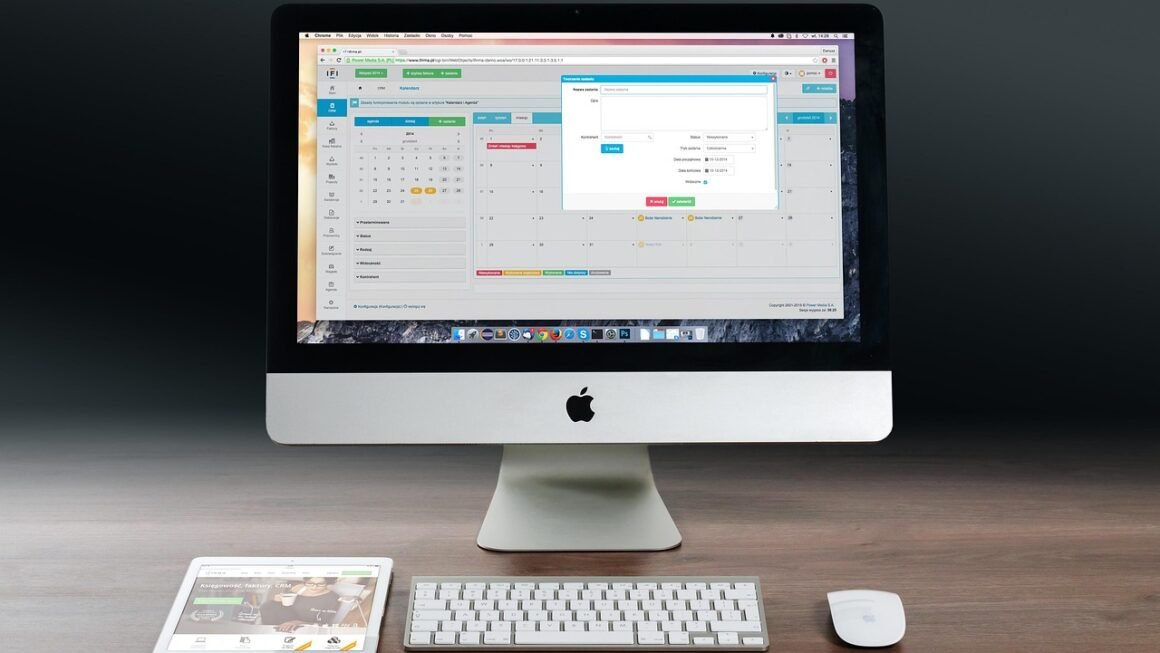
Juggling work, personal life, and everything in between can feel like a high-wire act. Fortunately, in today’s digital age, we have a plethora of productivity tools at our fingertips, designed to help us streamline our tasks, manage our time more effectively, and ultimately, achieve more with less stress. This post explores some of the best productivity tools available, covering various categories and offering practical advice on how to leverage them for optimal results.
Mastering Time Management
The Power of Calendars
Calendars aren’t just for scheduling appointments; they are powerful tools for time blocking and prioritization. Digital calendars like Google Calendar, Outlook Calendar, and Apple Calendar offer features beyond basic scheduling.
- Benefits:
Visual representation of your day, week, or month.
Color-coding for different types of tasks or projects.
Reminders and notifications to keep you on track.
Integration with other productivity apps.
- Practical Example: Block out specific times for focused work, meetings, and even breaks. For example, allocate 9:00 AM to 11:00 AM for writing, 11:30 AM to 12:30 PM for lunch, and 1:00 PM to 3:00 PM for meetings. Using color-coding, you might make all writing-related blocks blue, meetings red, and personal errands green.
Task Management Software: From Simple Lists to Complex Projects
Task management software helps you organize and prioritize tasks, track progress, and collaborate with others. Popular options include Todoist, Asana, Trello, and Microsoft To Do.
- Features to look for:
Task prioritization and due dates.
Subtasks and dependencies.
Collaboration features (shared lists, commenting).
Integration with other apps (calendar, email).
Reporting and progress tracking.
- Example Using Asana: Imagine you’re managing a marketing campaign. Using Asana, you can create a project for the campaign, add tasks like “Write blog post,” “Design social media graphics,” and “Schedule email campaign.” Within each task, you can add subtasks, assign them to team members, set due dates, and track progress. Asana’s Kanban board view allows you to visualize the workflow and see which tasks are in progress, completed, or blocked.
The Pomodoro Technique & Focused Work
The Pomodoro Technique is a time management method that involves working in focused bursts (typically 25 minutes) followed by short breaks (5 minutes). After four “pomodoros,” take a longer break (15-30 minutes). This technique can improve concentration and prevent burnout.
- Tools:
Dedicated Pomodoro timer apps (e.g., Forest, Focus To-Do).
Simple timers on your phone or computer.
Website blockers (e.g., Freedom, StayFocusd) to minimize distractions during work intervals.
- Actionable Takeaway: Experiment with the Pomodoro Technique to find the optimal work/break ratio for your productivity. You can adjust the timer intervals to suit your individual needs and preferences. Don’t be afraid to tweak it!
Communication and Collaboration
Streamlining Team Communication
Effective communication is crucial for team productivity. Tools like Slack, Microsoft Teams, and Google Workspace offer real-time messaging, file sharing, and video conferencing.
- Benefits:
Reduced email clutter.
Instant communication for quick questions and updates.
Dedicated channels for different projects or teams.
Integration with other productivity tools.
- Best Practices:
Establish clear communication guidelines (e.g., response time expectations, channel etiquette).
Use threads to keep conversations organized.
Utilize integrations to automate tasks and notifications.
Collaborative Document Editing
Tools like Google Docs, Microsoft Word Online, and Dropbox Paper enable multiple people to work on the same document simultaneously.
- Key Features:
Real-time editing and commenting.
Version history.
Easy sharing and access control.
- Example Scenario: Imagine a team of writers collaborating on a white paper. Using Google Docs, they can simultaneously edit the document, leave comments for each other, and track changes. This eliminates the need for multiple versions of the document and streamlines the editing process.
Video Conferencing for Remote Teams
Video conferencing tools like Zoom, Google Meet, and Microsoft Teams Meetings are essential for remote teams.
- Tips for Effective Video Meetings:
Use a professional background or blur your background.
Mute your microphone when you’re not speaking.
Test your audio and video beforehand.
Use screen sharing to present information visually.
Encourage active participation from all attendees.
Note-Taking and Knowledge Management
Capturing Ideas and Information
Note-taking tools are essential for capturing ideas, taking notes during meetings, and organizing information. Popular options include Evernote, OneNote, Notion, and Obsidian.
- Features to Consider:
Note organization (notebooks, tags).
Rich text formatting.
Multimedia support (images, audio recordings).
Search functionality.
Cross-platform compatibility.
- Practical Application: Use Evernote to create separate notebooks for different projects or areas of interest. Within each notebook, create notes for specific tasks, ideas, or research findings. Use tags to further categorize your notes and make them easier to find.
Building a Personal Knowledge Base
Tools like Notion and Obsidian are excellent for building a personal knowledge base, connecting ideas, and creating a system for managing information.
- Notion: A versatile workspace that combines note-taking, project management, and database functionality. You can create custom dashboards, track tasks, and organize information in a structured way.
- Obsidian: A powerful note-taking app that uses a graph view to visualize connections between notes. This can help you discover new insights and connections between ideas.
- Actionable Takeaway: Start by creating a central repository for all your notes and information. Use tags, categories, and links to organize your notes and make them easy to find. Regularly review and update your notes to keep your knowledge base current.
Automation and Workflow Optimization
Automating Repetitive Tasks
Automation tools can save you time and effort by automating repetitive tasks. IFTTT (If This Then That) and Zapier are popular options for connecting different apps and automating workflows.
- Examples of Automation:
Automatically save attachments from Gmail to Dropbox.
Post updates from your blog to social media.
Add new contacts from your CRM to your email marketing list.
- Benefits:
Reduced manual effort.
Increased efficiency.
Fewer errors.
Streamlining Workflows
Workflow automation tools can help you streamline complex processes and ensure that tasks are completed efficiently. Tools like Monday.com and Process Street are designed for creating and managing workflows.
- Features:
Visual workflow builders.
Task assignments and due dates.
Notifications and reminders.
Reporting and analytics.
- Example: A sales team can use Monday.com to track leads through the sales pipeline. As a lead progresses from one stage to the next, tasks are automatically assigned to the appropriate team members, and notifications are sent to keep everyone informed.
Keyboard Shortcuts and Text Expanders
Keyboard shortcuts can significantly speed up your work. Learn the shortcuts for the apps you use most frequently. Text expanders (e.g., TextExpander, PhraseExpress) allow you to create shortcuts for frequently typed phrases or code snippets.
- Benefits:
Reduced typing time.
Increased accuracy.
Improved efficiency.
Eliminating Distractions
Website Blockers and Focus Apps
In today’s digital age, distractions are everywhere. Website blockers and focus apps can help you stay focused on your work by blocking distracting websites and apps.
- Examples:
Freedom: Blocks distracting websites and apps on all your devices.
StayFocusd: Limits the amount of time you can spend on distracting websites.
Focus@Will: Plays scientifically designed music to improve focus.
- Actionable Takeaway: Identify your biggest distractions and use website blockers or focus apps to limit your exposure to them. Schedule dedicated time for checking social media and email to avoid constant interruptions.
Creating a Focused Workspace
Your physical workspace can also impact your productivity. Create a dedicated workspace that is free from clutter and distractions.
- Tips for Creating a Focused Workspace:
Declutter your desk and surrounding area.
Minimize noise and visual distractions.
Use ergonomic furniture to improve comfort.
Add plants or other natural elements to create a more relaxing environment.
Conclusion
Productivity tools are powerful assets in today’s fast-paced world, but their effectiveness hinges on how well they are integrated into your workflow. It’s not enough to simply download an app; you need to understand its features, tailor it to your specific needs, and commit to using it consistently. Experiment with different tools, track your progress, and don’t be afraid to adjust your approach as needed. The ultimate goal is to find a system that works for you, allowing you to achieve more, reduce stress, and enjoy a better work-life balance. Remember that productivity isn’t just about doing more; it’s about doing the right things, efficiently and effectively.