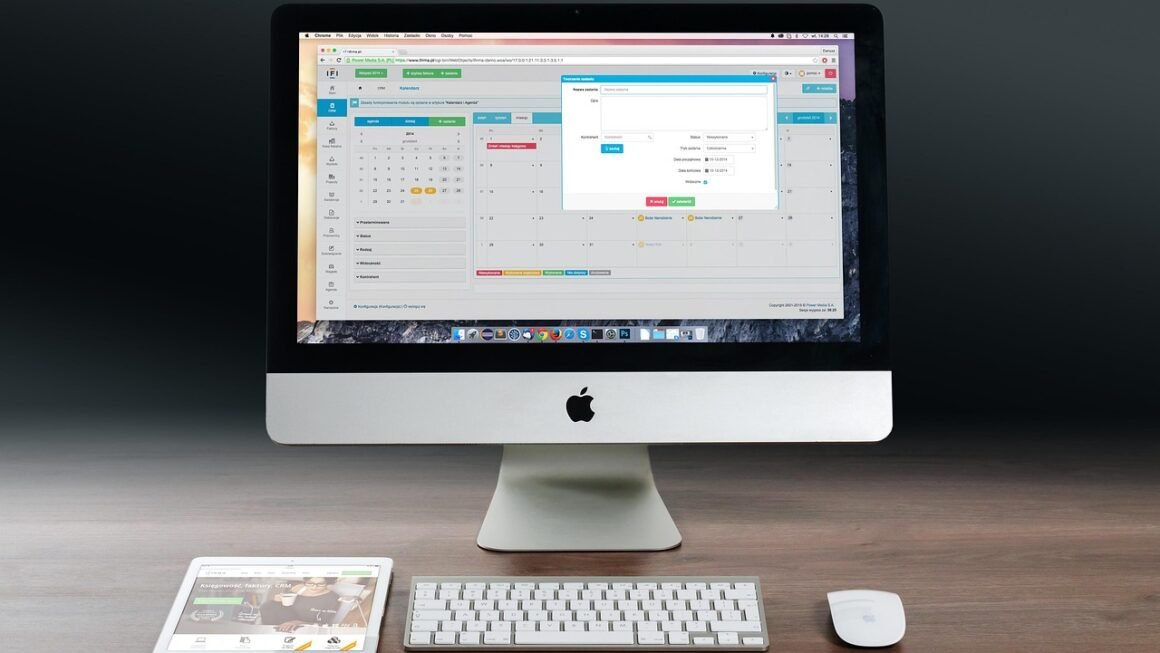
Staying on top of your time is critical for success, whether you’re a freelancer billing by the hour, a project manager overseeing a complex initiative, or simply someone aiming to boost personal productivity. Time tracking isn’t just about knowing where your hours go; it’s a powerful tool for understanding how efficiently you work, identifying time-wasting activities, and ultimately, optimizing your performance. This comprehensive guide will explore the intricacies of time tracking, offering practical insights and actionable strategies to help you master this invaluable skill.
Understanding the Fundamentals of Time Tracking
Time tracking is the process of recording the amount of time spent on specific tasks, projects, or activities. It’s a simple concept, but its implications for productivity, profitability, and organization are profound.
Why is Time Tracking Important?
Time tracking offers a myriad of benefits for individuals, teams, and organizations. Here are a few key reasons why it’s so important:
- Improved Productivity: By understanding how you spend your time, you can identify areas where you’re wasting time and make adjustments to become more productive. For instance, you might realize you spend too much time on email and can implement strategies to manage your inbox more efficiently.
- Accurate Billing and Invoicing: For freelancers and contractors, accurate time tracking is essential for generating precise invoices and ensuring you’re compensated fairly for your work. No more guessing or underbilling!
- Better Project Management: Time tracking provides valuable insights into project timelines, resource allocation, and potential bottlenecks, enabling project managers to make informed decisions and keep projects on track.
- Enhanced Accountability: Time tracking fosters accountability among team members, as everyone is aware that their time is being recorded and analyzed. This can lead to increased focus and dedication.
- Data-Driven Decision Making: The data collected through time tracking can be used to make informed decisions about resource allocation, project planning, and overall business strategy.
- Tax Compliance: In certain situations, time tracking data can be crucial for tax deductions and reporting, particularly for self-employed individuals.
Different Methods of Time Tracking
Several time tracking methods are available, each with its own strengths and weaknesses. The best method for you will depend on your specific needs and preferences.
- Manual Time Tracking: This involves manually recording your time using a paper log or spreadsheet. While it’s the simplest method, it can be time-consuming and prone to errors. For example, you might create a spreadsheet with columns for date, task, start time, end time, and total time spent.
- Digital Time Tracking Software: Numerous software applications and online tools are designed specifically for time tracking. These tools often offer features like timers, automated tracking, reporting, and integration with other software. Examples include Toggl Track, Clockify, and Time Doctor.
- Mobile Apps: Time tracking apps allow you to track your time on the go, making them ideal for freelancers and professionals who work remotely or travel frequently. Many time tracking software providers also offer mobile app versions of their desktop software.
- Hardware-Based Time Tracking: These systems use physical devices, such as time clocks or biometric scanners, to track employee attendance and time spent on specific tasks. This is commonly used in industries like manufacturing and construction.
Implementing a Time Tracking System
Implementing a time tracking system effectively requires careful planning and consideration. Here’s a step-by-step guide:
Define Your Goals
Before you start tracking your time, it’s crucial to define your goals. What do you hope to achieve by tracking your time? Are you aiming to improve productivity, bill clients accurately, or manage projects more effectively? Clearly defining your goals will help you choose the right tools and methods and stay motivated.
Choose the Right Time Tracking Tool
Selecting the right time tracking tool is essential for success. Consider factors like ease of use, features, integrations, and cost.
- Ease of Use: The tool should be intuitive and easy to learn so that you and your team can start using it quickly without significant training.
- Features: Ensure the tool offers the features you need, such as timers, reporting, invoicing, and project management capabilities.
- Integrations: Check if the tool integrates with other software you use, such as project management software, accounting software, or CRM systems.
- Cost: Consider the cost of the tool and whether it fits within your budget. Many time tracking tools offer free plans or trial periods.
Train Your Team (If Applicable)
If you’re implementing time tracking for a team, provide adequate training on how to use the tool and why it’s important. Clearly communicate the benefits of time tracking and address any concerns or questions your team members may have. Schedule a training session and provide written instructions or video tutorials.
Establish Clear Guidelines
Develop clear guidelines for how time should be tracked. Specify what activities should be tracked, how time should be recorded (e.g., in minutes or hours), and how frequently time entries should be submitted. For example, you might require employees to track their time in 15-minute increments and submit their time entries daily.
Start Small and Iterate
Don’t try to implement too much at once. Start with a small pilot project or a limited number of users and gradually expand the scope of the implementation as you gain experience and confidence. Regularly review your time tracking process and make adjustments as needed to optimize its effectiveness.
Maximizing the Benefits of Time Tracking
Once you’ve implemented a time tracking system, it’s important to use the data you collect to improve your productivity and efficiency.
Analyze Your Time Tracking Data
Regularly review your time tracking data to identify trends, patterns, and areas for improvement. Look for activities that consume a significant amount of time, identify time-wasting activities, and analyze your productivity levels at different times of the day. Most time tracking tools offer reporting features that make it easy to analyze your data.
Identify Time-Wasting Activities
Pinpoint activities that consume a disproportionate amount of time without contributing significantly to your goals. This might include excessive meetings, unproductive email communication, or time spent on social media. Once you’ve identified these activities, take steps to minimize or eliminate them. For example, you could set aside specific times for checking email or use website blockers to limit your time on social media.
Optimize Your Workflow
Use the insights you gain from time tracking to optimize your workflow and improve your efficiency. Identify tasks that can be automated, delegated, or streamlined. Consider using productivity techniques like time blocking or the Pomodoro Technique to enhance your focus and concentration.
Set Realistic Goals and Track Your Progress
Set realistic goals for yourself based on your time tracking data. For example, if you find that you typically spend 2 hours per day on a particular task, set a goal to reduce that time to 1.5 hours. Track your progress toward your goals and make adjustments as needed. Use your time tracking tool to monitor your progress and identify any roadblocks.
Addressing Common Time Tracking Challenges
While time tracking offers many benefits, it can also present some challenges. Here’s how to address some common issues:
Resistance from Team Members
Some team members may resist time tracking, viewing it as an invasion of privacy or a sign of distrust. To overcome this resistance, clearly communicate the benefits of time tracking and emphasize that it’s not about micromanaging but about improving overall productivity and efficiency. Involve your team in the implementation process and solicit their feedback.
Inaccurate Time Entries
Inaccurate time entries can undermine the value of time tracking data. To minimize errors, provide clear guidelines for how time should be tracked and encourage team members to record their time as accurately as possible. Use time tracking tools that offer features like reminders and automatic time tracking to reduce the likelihood of errors.
Time Tracking Overload
Spending too much time tracking your time can be counterproductive. To avoid time tracking overload, choose a time tracking tool that is easy to use and offers features that automate the process. Set aside specific times for tracking your time and avoid interrupting your workflow to record your time throughout the day.
Data Overanalysis
While it’s important to analyze your time tracking data, avoid getting bogged down in excessive analysis. Focus on identifying key trends and patterns that can help you improve your productivity and efficiency. Don’t spend too much time analyzing minor details that are unlikely to have a significant impact.
Conclusion
Time tracking is an essential tool for anyone who wants to improve their productivity, manage projects effectively, and make data-driven decisions. By understanding the fundamentals of time tracking, implementing a system effectively, maximizing the benefits of your data, and addressing common challenges, you can unlock the full potential of this invaluable skill. Start tracking your time today and experience the transformative power of understanding where your hours go.