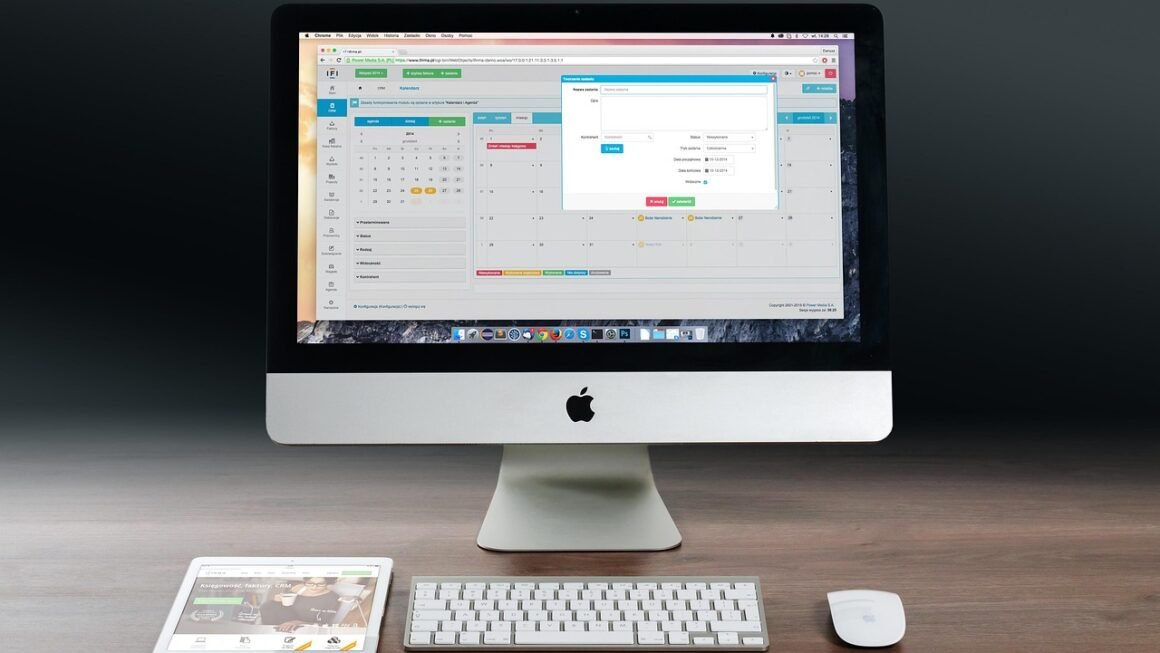
Juggling deadlines, managing tasks, and staying focused in today’s fast-paced world can feel like a Herculean effort. Fortunately, a plethora of productivity tools are available to help us streamline our workflows, boost efficiency, and reclaim our time. From task management software to time-tracking apps, these digital allies can be instrumental in achieving our goals, both professionally and personally. Let’s delve into some of the most effective productivity tools and explore how they can transform the way we work.
Task Management Tools
Importance of Task Management
Task management is the cornerstone of productivity. Without a clear system for organizing and prioritizing tasks, it’s easy to become overwhelmed and lose sight of important deadlines. Task management tools offer a centralized platform for capturing, organizing, and tracking tasks, ensuring that nothing falls through the cracks.
- Benefits of Using Task Management Tools:
Improved organization and clarity
Enhanced prioritization of tasks
Better collaboration among team members
Increased accountability and on-time task completion
Reduced stress and overwhelm
Popular Task Management Tools
- Asana: A versatile project management tool suitable for teams of all sizes. Asana allows users to create projects, assign tasks, set deadlines, and track progress. Its collaboration features facilitate seamless communication and teamwork.
Example: A marketing team can use Asana to manage a product launch campaign, with tasks assigned to different team members, deadlines set, and progress tracked in real-time.
- Trello: A visual task management tool based on the Kanban board system. Trello uses cards and lists to represent tasks and their status. It’s intuitive and easy to use, making it ideal for individuals and small teams.
Example: A software development team can use Trello to track the progress of different features, moving cards from “To Do” to “In Progress” to “Completed” as they are worked on.
- Todoist: A simple yet powerful task management app for individuals and small teams. Todoist allows users to create tasks, set reminders, and track their progress. It integrates seamlessly with other productivity apps, such as Google Calendar and Outlook.
Example: A freelancer can use Todoist to manage their daily tasks, set reminders for deadlines, and track their time spent on different projects.
- Monday.com: A visually engaging project management platform that allows teams to customize workflows and automate tasks. Its robust features and integrations make it a strong choice for larger organizations.
Example: An event planning company can use Monday.com to manage all aspects of an event, from venue booking to vendor coordination, with automated notifications and progress tracking.
Time Management Techniques and Tools
Understanding Time Management
Effective time management involves planning, organizing, and prioritizing tasks to maximize productivity. By using time management techniques, we can allocate our time more efficiently and avoid wasting time on unproductive activities. According to a study by RescueTime, the average office worker spends only 2 hours and 48 minutes being truly productive each day.
- Benefits of Effective Time Management:
Increased productivity and efficiency
Reduced stress and burnout
Improved work-life balance
Enhanced focus and concentration
Better decision-making
Popular Time Management Techniques
- Pomodoro Technique: A time management method that involves working in focused 25-minute intervals, separated by short breaks. This technique helps maintain focus and prevent mental fatigue.
Example: A student can use the Pomodoro Technique to study for an exam, working in 25-minute intervals with 5-minute breaks in between, and taking a longer break after every four Pomodoros.
- Time Blocking: A technique that involves scheduling specific blocks of time for different tasks or activities. This helps create a structured schedule and ensures that important tasks are allocated sufficient time.
Example: A project manager can use time blocking to schedule specific blocks of time for meetings, project updates, and individual work, ensuring that all tasks are completed on time.
- Eisenhower Matrix (Urgent/Important): A prioritization method that involves categorizing tasks based on their urgency and importance. Tasks are then prioritized based on their quadrant.
Example: A business owner can use the Eisenhower Matrix to prioritize their tasks, focusing on urgent and important tasks first, delegating less important tasks, and postponing non-urgent tasks.
Time Tracking Tools
- Toggl Track: A simple and intuitive time tracking app that allows users to track their time spent on different tasks and projects. Toggl Track provides detailed reports that can be used to analyze productivity and identify areas for improvement.
Example: A designer can use Toggl Track to track the time spent on different design projects, allowing them to accurately bill their clients and analyze their productivity.
- Clockify: A free time tracking tool that offers unlimited users and projects. Clockify provides detailed reports, integrations, and team management features.
Example: A consulting firm can use Clockify to track the time spent by different consultants on various client projects, allowing them to accurately bill their clients and analyze their team’s productivity.
- RescueTime: An automatic time tracking app that monitors the time spent on different websites and applications. RescueTime provides detailed reports that can be used to identify time-wasting activities and improve focus.
Example: A writer can use RescueTime to track the time spent on different websites and applications, identifying time-wasting distractions and improving their focus on writing tasks.
Note-Taking and Knowledge Management Tools
Importance of Note-Taking
Taking effective notes is crucial for capturing information, organizing thoughts, and retaining knowledge. Note-taking tools provide a digital platform for creating, organizing, and accessing notes, making it easier to manage and retrieve information.
- Benefits of Using Note-Taking Tools:
Improved information retention
Enhanced organization of thoughts and ideas
Easy access to notes and information
Better collaboration and knowledge sharing
Increased productivity and efficiency
Popular Note-Taking Tools
- Evernote: A versatile note-taking app that allows users to create and organize notes, web clippings, and files. Evernote offers powerful search features and integrations with other productivity apps.
Example: A researcher can use Evernote to collect and organize research articles, notes, and ideas, making it easier to write a research paper.
- Notion: An all-in-one workspace that combines note-taking, project management, and database features. Notion allows users to create custom workflows and manage information in a flexible and organized manner.
Example: A small business owner can use Notion to manage their business operations, including note-taking, project management, and CRM, all in one platform.
- OneNote: A digital notebook app that allows users to create and organize notes, sketches, and web clippings. OneNote integrates seamlessly with other Microsoft Office apps.
Example: A student can use OneNote to take notes in class, organize their notes by subject, and share their notes with classmates.
- Google Keep: A simple and intuitive note-taking app that allows users to quickly capture and organize notes, lists, and reminders. Google Keep integrates seamlessly with other Google apps.
Example: A busy parent can use Google Keep to create grocery lists, to-do lists, and reminders, making it easier to manage their daily tasks.
Focus and Concentration Tools
Importance of Focus
Maintaining focus and concentration is essential for productivity. Distractions can significantly impact our ability to complete tasks efficiently. Focus and concentration tools help minimize distractions and improve our ability to stay on task. According to a University of California, Irvine study, it takes an average of 23 minutes and 15 seconds to regain focus after an interruption.
- Benefits of Using Focus Tools:
Reduced distractions and interruptions
Improved focus and concentration
Increased productivity and efficiency
Reduced stress and overwhelm
Better quality of work
Popular Focus Tools
- Freedom: An app that blocks distracting websites and apps, allowing users to focus on their work. Freedom can be customized to block specific websites or apps, or to block all internet access for a set period.
Example: A writer can use Freedom to block social media websites and news websites, allowing them to focus on writing their book without distractions.
- Forest: A gamified focus app that encourages users to stay focused by planting a virtual tree. If the user leaves the app before the timer expires, the tree dies.
Example: A student can use Forest to stay focused on studying, planting a virtual tree for each study session and earning rewards for staying focused.
- Brain.fm: A music app that uses AI to create music designed to improve focus and concentration. Brain.fm’s music is scientifically designed to stimulate the brain and promote focus.
Example: A programmer can use Brain.fm to listen to music while coding, improving their focus and concentration.
- Cold Turkey Blocker: A highly customizable website and application blocker that allows for granular control over distractions. It’s a powerful option for those needing a more robust solution.
Example: A researcher can use Cold Turkey Blocker to create a strict schedule that blocks distracting websites and applications during specific research hours, ensuring uninterrupted focus.
Conclusion
Productivity tools are essential for navigating the demands of modern life. By leveraging these digital aids, individuals and teams can enhance their organization, manage their time effectively, and maintain focus amidst distractions. Whether it’s task management software, time-tracking apps, or focus-enhancing tools, there’s a wealth of options available to optimize workflows and achieve peak performance. Experiment with different tools and techniques to discover what works best for you, and unlock your full potential for productivity.