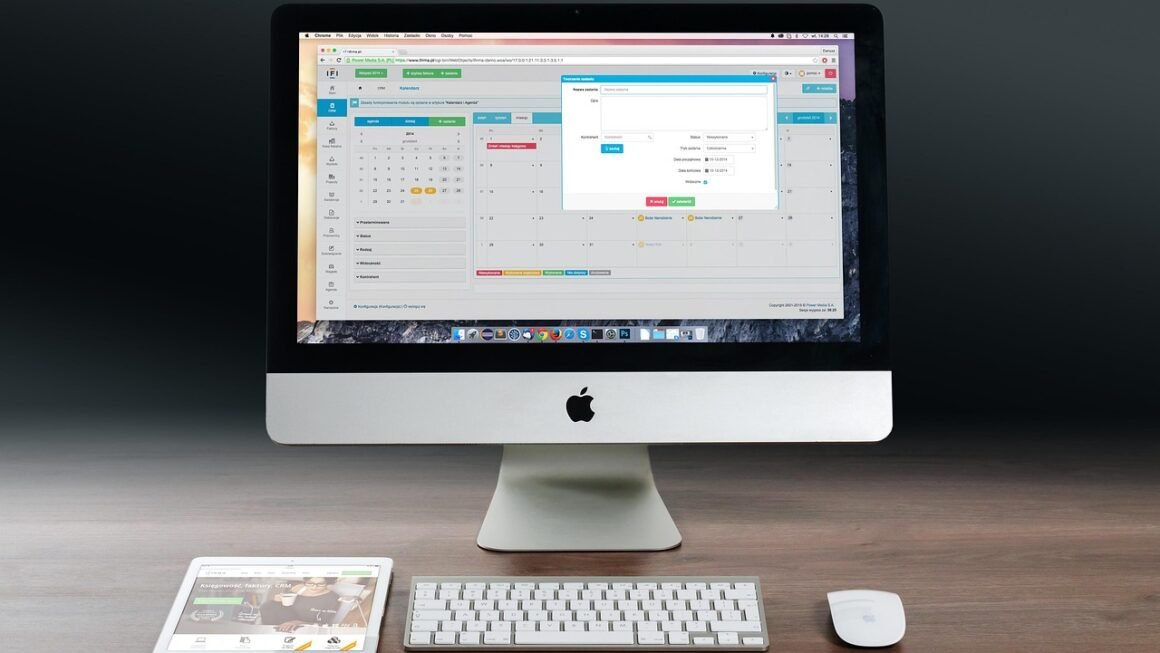
Imagine trying to navigate a complex project without a clear roadmap. Confusion reigns, deadlines are missed, and stakeholders are left in the dark. That’s where a project dashboard steps in, offering a centralized, visual representation of your project’s progress, challenges, and overall health. This powerful tool transforms chaos into clarity, empowering project managers and teams to stay on track and achieve remarkable results.
What is a Project Dashboard?
Defining the Project Dashboard
A project dashboard is a visual interface that provides a real-time overview of key project metrics and performance indicators (KPIs). Think of it as a central command center, displaying crucial information such as:
- Project progress: Track the completion of tasks and milestones.
- Budget status: Monitor expenses and identify potential cost overruns.
- Resource allocation: Visualize who is working on what and identify potential bottlenecks.
- Risks and issues: Keep a close eye on potential roadblocks and their impact.
- Team performance: Gain insights into team productivity and identify areas for improvement.
Why are Project Dashboards Important?
In today’s fast-paced business environment, project dashboards have become indispensable for successful project management. They offer several key benefits:
- Improved communication: All stakeholders have access to the same information, reducing misunderstandings and fostering transparency.
- Enhanced decision-making: Data-driven insights enable informed decisions and proactive problem-solving.
- Increased efficiency: Streamlined workflows and improved collaboration lead to faster project completion.
- Better risk management: Early detection of potential risks allows for timely mitigation strategies.
- Greater accountability: Clear visibility of individual and team contributions promotes accountability and ownership.
Key Components of an Effective Project Dashboard
Essential Metrics to Track
The specific metrics you track on your project dashboard will depend on the nature of your project and your organization’s goals. However, some common and critical metrics include:
- Task completion rate: The percentage of tasks completed on time and within budget.
- Budget variance: The difference between the planned budget and actual expenses.
- Schedule variance: The difference between the planned schedule and actual progress.
- Resource utilization: The percentage of time that resources are actively working on tasks.
- Issue resolution time: The average time it takes to resolve identified issues.
- Example: A construction project dashboard might track concrete pouring completion percentage against scheduled deadlines, while a software development dashboard might track story points completed per sprint.
Visualizations for Enhanced Understanding
Data visualization is crucial for making your dashboard intuitive and easy to understand. Choose the right charts and graphs to effectively communicate your data:
- Gantt charts: Visualize project timelines and dependencies.
- Burndown charts: Track progress towards completing a sprint or project.
- Pie charts: Show the allocation of resources or the distribution of tasks.
- Bar charts: Compare performance across different teams or projects.
- Line charts: Track trends over time, such as budget spending or task completion rate.
- Example: Use a Gantt chart to visualize the timeline of a marketing campaign, highlighting key milestones and deadlines. Use a burndown chart to monitor the progress of a software development sprint.
Real-Time Data and Automation
The most effective project dashboards provide real-time data updates, ensuring that everyone is working with the most current information. Automation plays a critical role in this, by:
- Automated data collection: Integrate your dashboard with other project management tools to automatically collect data.
- Automated reporting: Generate regular reports to share project updates with stakeholders.
- Automated alerts: Set up alerts to notify you when certain metrics fall outside of acceptable ranges.
- Example: Integrate your project dashboard with your time tracking software to automatically track resource utilization and identify potential bottlenecks. Set up an alert to notify you when the project budget exceeds a certain threshold.
Building Your Project Dashboard
Choosing the Right Tools
Several project management tools offer robust dashboard features. Consider the following factors when choosing a tool:
- Ease of use: The tool should be intuitive and easy for all team members to use.
- Customization: The tool should allow you to customize the dashboard to meet your specific needs.
- Integration: The tool should integrate with other tools you use, such as task management software, CRM systems, and financial accounting software.
- Reporting: The tool should offer robust reporting capabilities to generate regular project updates.
- Pricing: The tool should fit your budget.
Popular options include:
- Asana: Known for its visual appeal and ease of use.
- Monday.com: Offers highly customizable dashboards and workflows.
- Jira: A powerful tool for software development projects.
- Microsoft Project: A comprehensive project management solution for enterprise-level projects.
- Trello: A simple and versatile option for smaller projects.
Defining Your KPIs and Goals
Before you start building your dashboard, clearly define your key performance indicators (KPIs) and goals. What are you trying to achieve with this project? What metrics will you use to measure your success?
- Specific: Define your KPIs clearly and concisely.
- Measurable: Ensure that your KPIs can be tracked and quantified.
- Achievable: Set realistic goals that are within reach.
- Relevant: Make sure your KPIs are aligned with your overall project goals.
- Time-bound: Set deadlines for achieving your goals.
- Example: Instead of saying “Improve team productivity,” set a SMART goal like “Increase task completion rate by 15% by the end of Q3.”
Designing for Clarity and Usability
The design of your dashboard is crucial for ensuring that it is easy to understand and use. Follow these tips:
- Keep it simple: Avoid overwhelming users with too much information. Focus on the most important metrics.
- Use clear and concise labels: Make sure that all labels and titles are easy to understand.
- Use color strategically: Use color to highlight important information and draw attention to potential problems.
- Provide context: Include brief descriptions or annotations to explain the data.
- Ensure accessibility: Design your dashboard to be accessible to users with disabilities.
Maintaining and Improving Your Dashboard
Regular Review and Updates
Your project dashboard is not a “set it and forget it” tool. Regularly review and update your dashboard to ensure that it remains relevant and accurate.
- Review data regularly: Check your data daily or weekly to identify trends and potential problems.
- Update your KPIs: Adjust your KPIs as your project evolves.
- Seek feedback from stakeholders: Ask stakeholders for feedback on the usefulness of your dashboard and make adjustments as needed.
Adapting to Project Changes
Projects are dynamic and constantly evolving. Your project dashboard should be able to adapt to these changes.
- Add new metrics: As your project progresses, you may need to add new metrics to track performance in different areas.
- Remove irrelevant metrics: If some metrics become irrelevant, remove them from your dashboard.
- Adjust visualizations: Change your visualizations to better represent your data.
Using Dashboard Insights to Drive Action
The ultimate goal of a project dashboard is to drive action and improve project outcomes.
- Identify problems early: Use your dashboard to identify potential problems early on, before they escalate.
- Make data-driven decisions: Use the data on your dashboard to make informed decisions about your project.
- Track the impact of your actions: Monitor your dashboard to see the impact of your actions on project performance.
Conclusion
A well-designed and maintained project dashboard is an invaluable tool for managing complex projects effectively. By providing a centralized, visual representation of key project metrics, it empowers project managers and teams to stay on track, make data-driven decisions, and achieve remarkable results. Embrace the power of project dashboards and unlock the full potential of your projects.