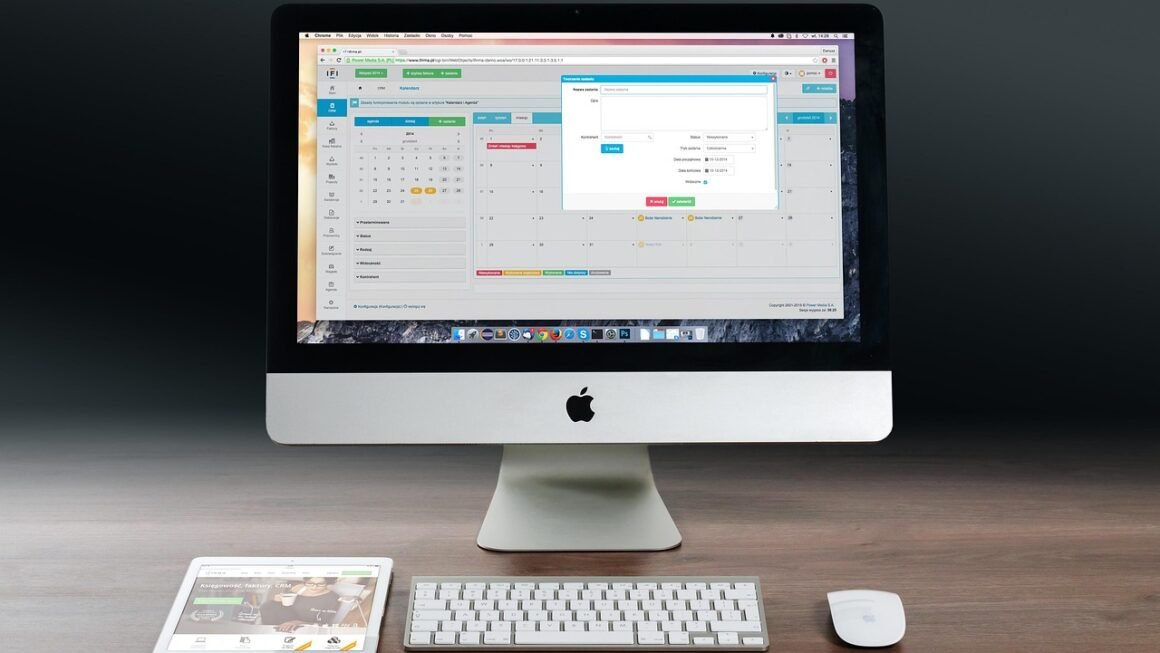
Project tracking is the backbone of successful project management. It’s the continuous process of monitoring a project’s progress, identifying potential roadblocks, and ensuring that everything stays on schedule and within budget. Without effective project tracking, even the most meticulously planned project can quickly derail. This blog post will delve into the intricacies of project tracking, offering practical advice and insights to help you master this crucial skill.
What is Project Tracking?
Project tracking is more than just knowing if you’re “on track.” It involves a holistic view of the project, encompassing everything from task completion to resource allocation and budget adherence. It provides real-time visibility into the project’s health, allowing for proactive intervention and course correction when necessary.
Key Elements of Project Tracking
- Task Management: Keeping track of individual tasks, their assignments, deadlines, and statuses.
- Time Tracking: Monitoring the time spent on each task to assess productivity and identify potential delays.
- Budget Tracking: Ensuring expenses stay within the allocated budget and identifying cost overruns.
- Resource Management: Monitoring resource allocation and utilization to optimize efficiency.
- Issue and Risk Management: Identifying and tracking potential problems or risks that could impact the project.
- Communication and Collaboration: Facilitating seamless communication among team members and stakeholders.
Why is Project Tracking Important?
Effective project tracking offers a plethora of benefits:
- Improved Project Outcomes: Increases the likelihood of completing projects on time, within budget, and to the required quality standards. According to a PMI study, organizations with mature project management practices waste 28 times less money than those without.
- Enhanced Visibility: Provides stakeholders with a clear understanding of the project’s status and progress.
- Proactive Problem Solving: Allows for early identification and resolution of potential issues.
- Increased Accountability: Fosters accountability among team members by tracking individual contributions.
- Data-Driven Decision Making: Provides valuable data for making informed decisions about resource allocation and project adjustments.
- Better Resource Allocation: Optimizes the use of resources, preventing bottlenecks and ensuring efficient workflow.
Choosing the Right Project Tracking Tools
Selecting the appropriate tools is crucial for effective project tracking. The market offers a wide variety of options, from simple spreadsheets to sophisticated project management software.
Types of Project Tracking Tools
- Spreadsheets (e.g., Microsoft Excel, Google Sheets): A basic and readily available option for small projects with limited complexity. They’re good for simple task lists and basic tracking, but can quickly become unwieldy for larger projects.
Example: A small team managing a simple website update can use a spreadsheet to track task assignments and deadlines.
- Project Management Software (e.g., Asana, Trello, Jira, Microsoft Project): Offers advanced features for task management, collaboration, resource allocation, and reporting. These tools are ideal for managing complex projects with multiple stakeholders.
Example: A software development company uses Jira to track bugs, features, and sprints in their development process.
- Time Tracking Software (e.g., Toggl Track, Clockify): Specifically designed for tracking time spent on tasks, providing valuable insights into productivity and efficiency.
Example: A freelance writer uses Toggl Track to track the time spent on each article, allowing them to accurately bill clients.
- Integrated Project Management Platforms (e.g., Wrike, Monday.com): Combine project management, communication, and collaboration features into a single platform, streamlining workflow and enhancing team productivity.
Example: A marketing agency uses Monday.com to manage all aspects of their campaigns, from task assignments to client communication.
Factors to Consider When Choosing a Tool
- Project Complexity: The more complex the project, the more advanced the tool you’ll need.
- Team Size: Larger teams require tools with robust collaboration features.
- Budget: Project tracking tools range from free to very expensive, so consider your budget.
- Integration: Choose a tool that integrates with your existing software stack (e.g., CRM, accounting software).
- User-Friendliness: The tool should be easy to use and intuitive for all team members.
- Reporting Capabilities: Look for tools that offer comprehensive reporting features to track progress and identify trends.
Implementing Effective Project Tracking Processes
Implementing effective project tracking involves establishing clear processes and guidelines to ensure consistency and accuracy.
Defining Clear Project Goals and Objectives
- Start by clearly defining the project’s goals and objectives. What are you trying to achieve? What are the specific, measurable, achievable, relevant, and time-bound (SMART) goals?
- Example: Instead of “Improve website traffic,” a SMART goal would be “Increase website traffic by 20% in the next three months through SEO optimization and social media marketing.”
Breaking Down the Project into Manageable Tasks
- Divide the project into smaller, more manageable tasks. This makes it easier to track progress and identify potential bottlenecks.
- Example: If the project is to “Develop a mobile app,” break it down into tasks like “Design user interface,” “Develop backend API,” “Test app on iOS and Android,” etc.
Assigning Tasks and Setting Deadlines
- Assign each task to a specific team member and set a realistic deadline for completion.
- Tip: Consider each team member’s workload and skill set when assigning tasks.
Regularly Monitoring Progress
- Track the progress of each task on a regular basis. This can be done through daily stand-up meetings, weekly status reports, or by using project management software.
- Example: Use a Kanban board to visually track the progress of each task through different stages (e.g., To Do, In Progress, Review, Done).
Identifying and Addressing Issues
- Actively identify and address any issues or risks that could impact the project’s progress.
- Tip: Create a risk register to document potential risks, their likelihood, and their potential impact.
Communicating and Collaborating Effectively
- Foster open communication and collaboration among team members. This ensures that everyone is on the same page and that issues are resolved quickly.
- Example: Use a dedicated communication channel (e.g., Slack, Microsoft Teams) to facilitate real-time communication and collaboration.
Analyzing Project Tracking Data
The true power of project tracking lies in the ability to analyze the data collected and use it to improve future projects.
Key Metrics to Track
- Task Completion Rate: Measures the percentage of tasks completed on time.
- Budget Variance: Compares the actual expenses to the budgeted amount.
- Resource Utilization: Measures the efficiency with which resources are being used.
- Cycle Time: Measures the time it takes to complete a specific task or process.
- Burn Rate: Measures the rate at which resources (especially budget) are being consumed.
Using Data to Improve Project Performance
- Identify trends and patterns in the data. Are certain tasks consistently taking longer than expected? Are there recurring budget overruns?
- Use the data to make informed decisions about resource allocation and project adjustments.
- Example: If task completion rates are consistently low for a particular team member, provide them with additional training or support.
- Use the data to improve project planning and estimation for future projects.
- Example: If budget variance is consistently high, refine your budgeting process and include a contingency fund.
Conclusion
Effective project tracking is an indispensable part of successful project management. By implementing the strategies and tools discussed in this blog post, you can gain better visibility into your projects, proactively address potential issues, and ultimately deliver projects on time, within budget, and to the required quality standards. Start implementing these practices today and reap the benefits of improved project outcomes and enhanced team productivity.