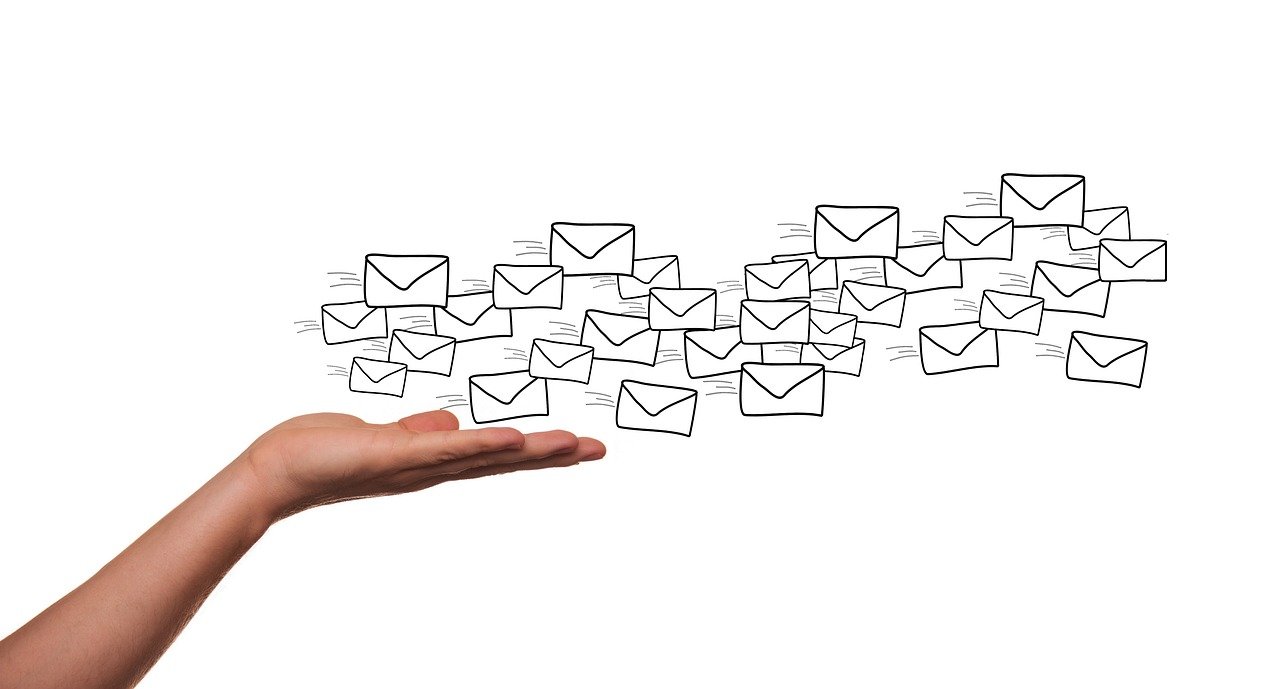
Email marketing is far from dead. In fact, it’s a powerful, direct line to your audience, allowing you to nurture leads, boost sales, and build lasting relationships. But simply sending out emails isn’t enough. Effective newsletter marketing involves crafting compelling content, understanding your audience, and consistently delivering value. This guide will walk you through the essential elements of a successful newsletter marketing strategy, helping you harness its full potential to grow your business.
Understanding Newsletter Marketing: Why It Still Matters
Newsletter marketing, in its simplest form, is sending regular email updates to a list of subscribers who have opted in to receive them. But it’s much more than just blasting out promotions. When done right, it’s about building a relationship with your audience, providing them with valuable information, and driving them towards your business goals.
The Power of Permission: Opt-In and Consent
The foundation of successful newsletter marketing is built on permission. It’s crucial to ensure that everyone on your email list has explicitly opted in to receive your communications. This ensures that your emails are welcomed, not treated as spam.
- Double Opt-In: Implementing a double opt-in process (where subscribers confirm their subscription via email) is highly recommended. This verifies their email address and demonstrates a genuine interest in your content.
- Clear Communication: Clearly state what subscribers can expect to receive when they sign up. For example, “Weekly updates on the latest digital marketing trends and exclusive offers.”
- Compliance with Regulations: Be sure you are compliant with GDPR, CAN-SPAM, and any other applicable regulations regarding data privacy and email marketing. Failure to do so can result in hefty fines and damage to your brand reputation.
Key Benefits of Newsletter Marketing
Why invest in newsletter marketing? The advantages are numerous and can significantly impact your business.
- Direct Communication: Newsletters offer a direct line to your audience, bypassing the algorithms and noise of social media.
- Increased Brand Awareness: Consistent newsletters keep your brand top-of-mind with your target audience.
- Lead Nurturing: You can guide potential customers through the sales funnel by providing valuable content and relevant offers.
- Improved Customer Loyalty: Regular communication fosters a sense of community and strengthens customer relationships.
- Higher Conversion Rates: Targeted newsletters with personalized content can significantly boost conversion rates.
- Cost-Effective Marketing: Compared to other marketing channels, newsletter marketing offers a high return on investment (ROI). Studies show that email marketing yields an average ROI of $42 for every $1 spent (DMA, 2019).
Crafting Compelling Newsletter Content
The content of your newsletter is the heart of your strategy. If your emails are boring, irrelevant, or overly promotional, subscribers will quickly unsubscribe. The key is to provide value, entertain, and engage your audience.
Understanding Your Audience
Before you start writing, take the time to understand your target audience. What are their interests, needs, and pain points? What kind of content will resonate with them?
- Segment Your List: Divide your email list into segments based on demographics, interests, purchase history, or behavior. This allows you to send more targeted and relevant content to each group. For example, you might have a segment for new subscribers, a segment for loyal customers, and a segment for those who have shown interest in a particular product.
- Conduct Surveys and Polls: Use surveys and polls to gather feedback from your subscribers and gain insights into their preferences.
- Analyze Website Data: Track website behavior to understand what content your audience is engaging with and what products they are interested in.
Types of Content to Include
Variety is the spice of life, and the same applies to newsletter content. Mix and match different types of content to keep your subscribers engaged.
- Blog Posts and Articles: Share links to your latest blog posts and articles to drive traffic to your website.
- Product Updates and Promotions: Announce new products, special offers, and discounts.
- Industry News and Insights: Provide valuable insights and updates on relevant industry trends.
- Case Studies and Testimonials: Showcase success stories to build trust and credibility.
- Tips and Tricks: Offer practical tips and tricks that your audience can use to improve their lives or businesses.
- Behind-the-Scenes Content: Give your subscribers a glimpse into your company culture and values.
- Exclusive Content: Offer content that is only available to your newsletter subscribers, such as ebooks, webinars, or discounts.
Writing Engaging Email Subject Lines
Your subject line is the first (and often only) impression your email makes. A compelling subject line is crucial for getting subscribers to open your email.
- Keep it Short and Sweet: Aim for subject lines that are around 50 characters or less.
- Create a Sense of Urgency: Use words like “Limited Time Offer” or “Don’t Miss Out” to encourage immediate action.
- Personalize Your Subject Lines: Include the subscriber’s name or location for a more personal touch.
- Use Numbers and Lists: Subject lines with numbers or lists tend to perform well. For example, “5 Tips for Improving Your Productivity”
- Ask a Question: Engage your audience with a thought-provoking question.
- Avoid Spam Trigger Words: Steer clear of words like “Free,” “Guaranteed,” and “Click Here” as they can trigger spam filters.
- A/B Test Your Subject Lines: Experiment with different subject lines to see what resonates best with your audience.
Designing a Visually Appealing Newsletter
The design of your newsletter is just as important as the content. A visually appealing newsletter is more likely to grab your subscribers’ attention and keep them engaged.
Choosing a Template
While you can design a newsletter from scratch, using a pre-designed template can save you time and effort.
- Consider Your Brand: Choose a template that aligns with your brand’s aesthetic.
- Keep it Simple: Avoid cluttered designs that can distract from your content.
- Ensure Mobile Responsiveness: Make sure your template is optimized for mobile devices, as a significant portion of your subscribers will be reading your emails on their phones. A study by Litmus found that 42% of all emails are opened on mobile devices.
Using Images and Videos
Images and videos can enhance your newsletter and make it more engaging.
- Use High-Quality Visuals: Choose images and videos that are visually appealing and relevant to your content.
- Optimize Images for Email: Compress images to reduce file size and improve loading speed.
- Add Alt Text to Images: Use alt text to describe your images in case they don’t load properly.
- Consider Using GIFs: Animated GIFs can add a touch of personality to your newsletter.
Call-to-Action Buttons
Every newsletter should have a clear call-to-action (CTA) that tells subscribers what you want them to do.
- Use Action-Oriented Language: Use verbs like “Shop Now,” “Learn More,” or “Download Now.”
- Make Your CTAs Stand Out: Use contrasting colors and a clear, concise font.
- Place CTAs Strategically: Position your CTAs where they are most likely to be seen, such as above the fold or at the end of a section.
Measuring and Optimizing Your Newsletter Performance
Newsletter marketing is an ongoing process of testing, measuring, and optimization. Track your key metrics to identify what’s working and what’s not, and make adjustments accordingly.
Key Metrics to Track
- Open Rate: The percentage of subscribers who opened your email.
- Click-Through Rate (CTR): The percentage of subscribers who clicked on a link in your email.
- Conversion Rate: The percentage of subscribers who completed a desired action, such as making a purchase or filling out a form.
- Unsubscribe Rate: The percentage of subscribers who unsubscribed from your email list.
- Bounce Rate: The percentage of emails that could not be delivered.
- ROI (Return on Investment): The overall profitability of your newsletter marketing efforts.
Tools for Tracking and Analysis
- Email Marketing Platforms: Most email marketing platforms, such as Mailchimp, Constant Contact, and Sendinblue, provide built-in analytics dashboards.
- Google Analytics: Use Google Analytics to track website traffic and conversions generated from your newsletters.
- A/B Testing Tools: Use A/B testing tools to experiment with different subject lines, content, and designs.
A/B Testing Your Newsletters
A/B testing involves testing two versions of your newsletter against each other to see which performs better.
- Test One Element at a Time: Focus on testing one element at a time, such as the subject line, the CTA, or the image.
- Use a Control Group: Keep a control group that receives the original version of your newsletter.
- Analyze the Results: Use your analytics to determine which version performed better and implement the winning changes.
Conclusion
Newsletter marketing remains a vital component of a successful digital marketing strategy. By focusing on building genuine relationships with your subscribers, providing valuable content, and continuously optimizing your efforts, you can unlock the power of email to drive leads, boost sales, and grow your business. Remember to prioritize permission, segment your audience, and track your results to ensure your newsletter marketing efforts are yielding the best possible results. The key to long-term success lies in consistent delivery of value and a commitment to continuously improving your strategy.