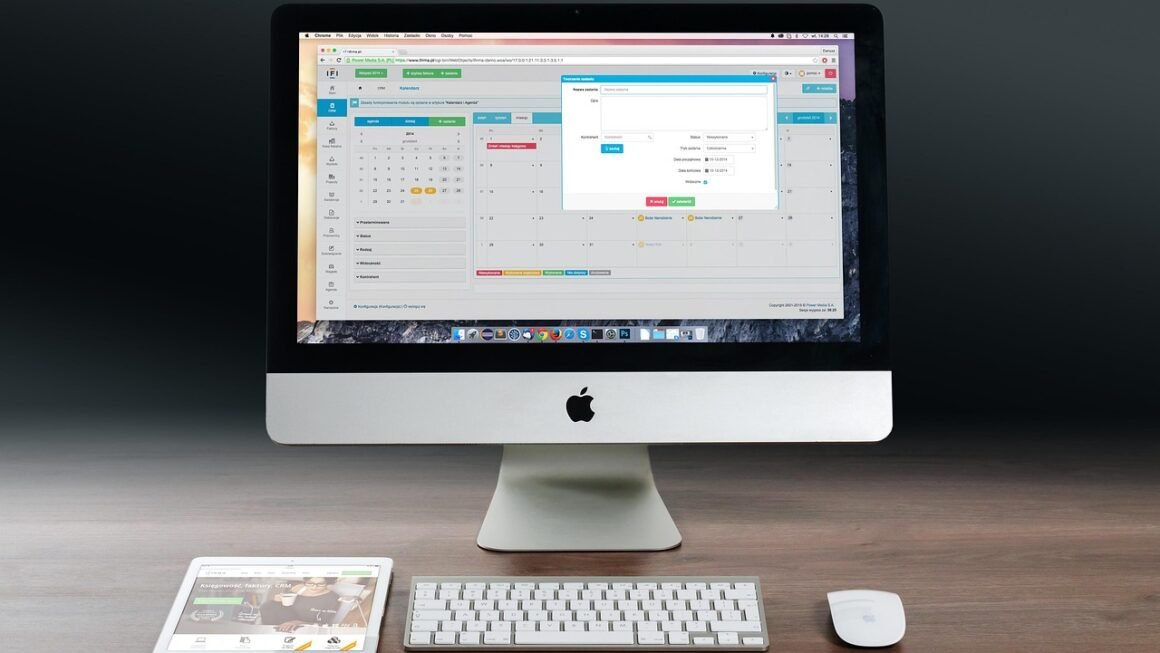
In today’s fast-paced world, boosting productivity is no longer a luxury, but a necessity. Whether you’re a student, freelancer, entrepreneur, or a corporate employee, leveraging the right productivity tools can significantly improve your efficiency, reduce stress, and help you achieve your goals faster. But with so many options available, finding the tools that best fit your needs can be overwhelming. This blog post aims to demystify the landscape of productivity tools, offering a comprehensive guide to help you choose the right solutions and maximize your output.
Time Management Tools
Effective time management is the cornerstone of productivity. Without a clear understanding of how you spend your time, it’s difficult to identify areas for improvement. Time management tools help you track your activities, prioritize tasks, and schedule your day efficiently.
Task Management Apps
Task management apps are designed to help you organize and prioritize your to-do list. They allow you to break down large projects into smaller, manageable tasks, set deadlines, and track your progress.
- Examples: Asana, Trello, Todoist
- Features:
Task assignment and collaboration
Deadline setting and reminders
Progress tracking and reporting
Integration with other apps
- Practical Example: Use Trello’s Kanban boards to visualize your workflow. Create columns for “To Do,” “In Progress,” and “Completed” and move tasks between them as you work. This provides a clear overview of your projects and helps you stay focused. Studies show that visual task management can increase productivity by up to 25%.
Time Tracking Software
Time tracking software helps you monitor how you spend your time on different tasks and projects. This data can provide valuable insights into your work habits and identify time-wasting activities.
- Examples: Toggl Track, Clockify, RescueTime
- Benefits:
Identifies time leaks and distractions
Improves project estimation
Tracks billable hours for freelancers
Provides data for better time allocation
- Actionable Tip: Use Toggl Track to track your time for a week. Analyze the data to identify your most productive hours and schedule your most demanding tasks during those times. Also, look for activities that consume a lot of time without yielding significant results.
Communication and Collaboration Tools
In today’s interconnected world, effective communication and collaboration are essential for team productivity. These tools streamline communication, facilitate information sharing, and enable seamless teamwork.
Instant Messaging Platforms
Instant messaging platforms provide real-time communication channels for quick discussions and updates. They eliminate the need for lengthy email threads and enable faster decision-making.
- Examples: Slack, Microsoft Teams, Google Chat
- Features:
Instant messaging and group chats
File sharing and screen sharing
Video conferencing
Integration with other productivity tools
- Best Practice: Create dedicated channels for different projects or teams in Slack to keep discussions organized and relevant. Use threads to keep conversations focused and avoid overwhelming the main channel.
Project Management Software
Project management software offers a centralized platform for managing projects, tasks, and team collaboration. It allows teams to plan, execute, and track projects from start to finish.
- Examples: Asana, Monday.com, Jira
- Benefits:
Improved project planning and organization
Enhanced team collaboration and communication
Streamlined workflow and task management
Increased project visibility and accountability
- Real-World Example: Use Monday.com to create a project timeline with clear milestones and deadlines. Assign tasks to team members and track their progress in real-time. This ensures that everyone is on the same page and helps prevent delays. A study by PMI found that organizations using project management software are 28% more likely to complete projects successfully.
Focus and Concentration Tools
Distractions are a major obstacle to productivity. Focus and concentration tools help you minimize distractions, improve concentration, and stay on task.
Website Blockers
Website blockers prevent you from accessing distracting websites during work hours. They can be customized to block specific websites or entire categories of websites, such as social media or news sites.
- Examples: Freedom, Cold Turkey Blocker, StayFocusd (Chrome extension)
- How they help:
Reduces distractions from social media and other websites
Improves focus and concentration
Helps break addictive browsing habits
Increases productivity by minimizing interruptions
- Practical Implementation: Use Freedom to block social media websites during your most productive hours. Schedule blocking sessions in advance to prevent yourself from overriding them.
Noise-Canceling Headphones
Noise-canceling headphones reduce ambient noise, allowing you to focus on your work without distractions from your environment.
- Examples: Bose QuietComfort, Sony WH-1000XM series, Apple AirPods Max
- Advantages:
Reduces distractions from background noise
Improves focus and concentration
Creates a more peaceful work environment
Enhances audio quality for calls and music
- Productivity Boost: Use noise-canceling headphones in conjunction with focus music or white noise to create an even more immersive and distraction-free work environment.
Automation Tools
Automation tools streamline repetitive tasks, freeing up your time and energy for more important activities. By automating routine processes, you can significantly increase your productivity and efficiency.
IFTTT and Zapier
IFTTT (If This Then That) and Zapier are automation platforms that connect different apps and services, allowing you to automate tasks between them.
- Examples: IFTTT, Zapier
- Capabilities:
Automate social media posting
Save email attachments to cloud storage
Create reminders based on calendar events
Automatically update spreadsheets with data from other apps
- Automation Scenario: Use Zapier to automatically save new email attachments from specific senders to a folder in Google Drive. This eliminates the need to manually download and organize attachments.
Text Expanders
Text expanders allow you to create shortcuts for frequently used text snippets, such as email signatures, addresses, or standard responses. By typing a short abbreviation, the text expander automatically replaces it with the full text.
- Examples: TextExpander, PhraseExpress, Breevy
- Benefits:
Saves time by reducing repetitive typing
Ensures consistency in communication
Reduces the risk of typos and errors
Increases productivity by automating repetitive tasks
- Productivity Gain: Create text expander shortcuts for commonly used email templates, such as meeting requests or project updates. This can save you several minutes each day.
Conclusion
Selecting and implementing the right productivity tools is crucial for achieving your goals efficiently. By understanding the different categories of tools available and their specific benefits, you can make informed decisions and choose the solutions that best fit your needs. Remember to experiment with different tools and strategies to find what works best for you, and don’t be afraid to adapt your approach as your needs evolve. Embracing these tools strategically will undoubtedly lead to increased productivity, reduced stress, and greater success in your personal and professional life. Start small, focus on your biggest pain points, and build from there.