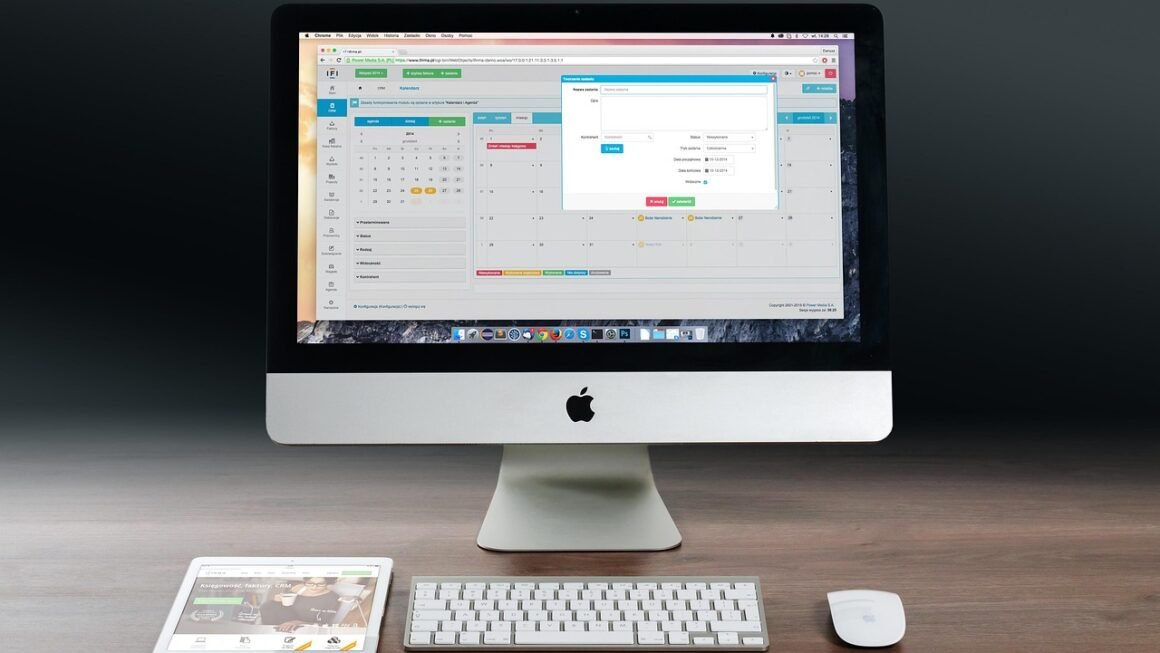
In today’s fast-paced world, juggling work, personal life, and everything in between can feel overwhelming. That’s where productivity tools come in – digital aids designed to streamline your workflow, boost efficiency, and ultimately help you achieve more in less time. From simple to-do lists to sophisticated project management platforms, the right tool can make a world of difference. This blog post will delve into some of the best productivity tools available, exploring their features, benefits, and how they can transform your approach to getting things done.
Project Management Tools
Project management tools are essential for teams and individuals tackling complex tasks. They provide a central hub for planning, organizing, and tracking progress, ensuring everyone stays on the same page.
Task Management Features
- Task Creation & Assignment: Create individual tasks with clear descriptions and assign them to specific team members.
Example: In Asana, you can create a task called “Draft blog post on productivity tools,” assign it to a writer, and set a due date.
- Prioritization & Due Dates: Set priorities and deadlines to ensure critical tasks are addressed first.
Example: Using Monday.com, color-code tasks based on urgency (e.g., red for high priority, yellow for medium, green for low).
- Progress Tracking & Reporting: Monitor the progress of tasks and generate reports to identify bottlenecks.
Example: Trello’s Kanban boards visually represent task progress, allowing you to easily see what’s in progress, completed, or blocked. Statistics show that teams using project management software can see a 25% increase in productivity.
Collaboration & Communication
- Centralized Communication: Communicate directly within the tool to keep all project-related discussions in one place.
Example: Microsoft Teams integrates seamlessly with other Microsoft productivity tools like Planner, providing a unified platform for communication and project management.
- File Sharing & Document Management: Easily share files and documents with team members, ensuring everyone has access to the latest versions.
Example: Google Workspace provides cloud storage and document sharing, enabling real-time collaboration on documents, spreadsheets, and presentations.
- Real-time Updates & Notifications: Receive real-time updates and notifications on task progress and changes, keeping you informed.
Example: ClickUp offers customizable notifications, allowing you to receive alerts for specific task updates, comments, or mentions.
- Actionable Takeaway: Choose a project management tool that aligns with your team’s size, workflow, and technical expertise. Start with a free trial to explore different options and find the best fit.
Time Management Apps
Time management apps help you track how you spend your time, identify time-wasting activities, and optimize your schedule for maximum productivity.
Time Tracking & Analysis
- Automated Time Tracking: Automatically track the time you spend on different tasks and projects.
Example: Toggl Track offers automatic time tracking, detecting which applications you’re using and logging your time accordingly.
- Detailed Reporting & Analytics: Generate detailed reports on your time usage, identifying areas where you can improve.
Example: RescueTime provides detailed reports on your website and application usage, categorizing them based on productivity levels.
- Goal Setting & Progress Monitoring: Set time-based goals and track your progress towards achieving them.
Example: Forest allows you to set a timer and “plant a tree.” If you leave the app before the timer ends, the tree dies, incentivizing you to stay focused.
Focus & Concentration
- Pomodoro Technique Timers: Implement the Pomodoro Technique with dedicated timers and break reminders.
Example: Focus To-Do combines a Pomodoro timer with task management features, helping you stay focused and organized.
- Website Blockers & Distraction Filters: Block distracting websites and applications during work hours.
Example: Freedom allows you to block specific websites and applications for a set period, helping you eliminate distractions.
- White Noise & Ambient Sound Generators: Use white noise or ambient sounds to create a focused work environment.
Example: Noisly generates a variety of ambient sounds, such as rain, coffee shop chatter, and white noise, to help you focus and concentrate.
- Actionable Takeaway: Start by tracking your time for a week to identify your biggest time wasters. Then, use a time management app to implement strategies for staying focused and prioritizing tasks.
Note-Taking & Knowledge Management
Effective note-taking and knowledge management are crucial for capturing ideas, organizing information, and accessing it quickly when needed.
Digital Note-Taking Platforms
- Cross-Platform Synchronization: Sync your notes across all your devices, ensuring access to your information wherever you are.
Example: Evernote synchronizes notes across multiple devices, allowing you to access your notes on your computer, phone, or tablet.
- Rich Text Formatting & Media Embedding: Format your notes with rich text, images, audio recordings, and other media.
Example: OneNote supports rich text formatting, embedding images, audio recordings, and even handwritten notes.
- Organization & Tagging: Organize your notes with folders, tags, and notebooks for easy retrieval.
Example: Notion allows you to create nested pages, databases, and wikis to organize your notes and knowledge in a structured way.
Knowledge Base & Wiki Tools
- Collaborative Documentation: Create and maintain a shared knowledge base for your team or organization.
Example: Confluence is a collaborative workspace that allows teams to create and share knowledge articles, documentation, and other resources.
- Version Control & History Tracking: Track changes to your knowledge base and revert to previous versions if needed.
Example: Google Docs provides version history, allowing you to see previous versions of your documents and revert to them if necessary.
- Search & Retrieval: Easily search and retrieve information from your knowledge base using keywords and tags.
Example: Guru provides a knowledge management platform with powerful search capabilities, allowing you to quickly find the information you need.
- Actionable Takeaway: Choose a note-taking tool that aligns with your note-taking style and organizational preferences. Experiment with different features and techniques to find what works best for you.
Communication & Collaboration Platforms
Effective communication and collaboration are essential for teamwork, especially in remote or distributed environments.
Real-Time Messaging & Chat
- Instant Messaging & Group Chat: Communicate with team members in real-time through instant messaging and group chat channels.
Example: Slack offers channels for different topics or teams, allowing for focused communication and collaboration.
- File Sharing & Screen Sharing: Easily share files and your screen with team members during conversations.
Example: Microsoft Teams allows you to share files, documents, and your screen during meetings and conversations.
- Integrations with Other Tools: Integrate with other productivity tools to streamline your workflow and avoid switching between applications.
Example: Discord, while known for gaming, is also a strong communication tool integrating bots and various other apps, increasing productivity.
Video Conferencing & Meetings
- High-Quality Video & Audio: Conduct video conferences with high-quality video and audio for clear communication.
Example: Zoom offers high-quality video and audio conferencing, with features like screen sharing, breakout rooms, and virtual backgrounds.
- Screen Sharing & Whiteboarding: Share your screen and collaborate on virtual whiteboards during meetings.
Example: Google Meet allows you to share your screen and collaborate on a virtual whiteboard with participants during meetings.
- Meeting Recording & Transcription: Record your meetings and transcribe them for future reference.
Example: Otter.ai integrates with Zoom and other video conferencing platforms to automatically transcribe meetings in real-time.
- Actionable Takeaway: Establish clear communication guidelines and protocols for your team. Choose a communication platform that offers the features and integrations you need to stay connected and productive.
Automation Tools
Automation tools streamline repetitive tasks, freeing up your time and energy for more important work.
Task Automation & Workflow Automation
- Trigger-Based Automation: Automate tasks based on specific triggers, such as receiving an email or completing a task.
Example: Zapier connects different applications and automates tasks based on triggers, such as adding new contacts to your CRM when they fill out a form on your website.
- Multi-Step Workflows: Create complex workflows that automate multiple tasks in sequence.
Example: IFTTT (If This Then That) allows you to create multi-step workflows that automate tasks across different applications and devices.
- Customizable Templates & Integrations: Use customizable templates and integrations to automate a wide range of tasks.
Example: Microsoft Power Automate provides customizable templates and integrations with other Microsoft applications, allowing you to automate tasks within your Microsoft ecosystem.
Email Automation & Marketing Automation
- Automated Email Responses: Set up automated email responses to handle common inquiries and requests.
Example: Gmail’s “Vacation Responder” allows you to set up automated email responses when you’re out of the office.
- Lead Nurturing & Marketing Campaigns: Automate lead nurturing and marketing campaigns to engage with prospects and customers.
Example: Mailchimp automates email marketing campaigns, allowing you to send targeted messages to different segments of your audience.
- Social Media Scheduling & Automation: Schedule social media posts in advance and automate other social media tasks.
Example: Buffer and Hootsuite allow you to schedule social media posts, track engagement, and automate other social media tasks.
- Actionable Takeaway:* Identify repetitive tasks in your workflow and explore automation tools that can streamline them. Start with simple automations and gradually expand your use of automation as you become more comfortable.
Conclusion
Choosing the right productivity tools can be a game-changer, enhancing efficiency, boosting focus, and enabling you to achieve your goals more effectively. By understanding the different types of tools available and their specific benefits, you can make informed decisions and implement solutions that align with your individual needs and workflow. Experiment with different options, embrace continuous learning, and regularly evaluate the effectiveness of your tools to maximize your productivity and unlock your full potential. Ultimately, the best productivity tool is the one that helps you stay focused, organized, and motivated to achieve your desired outcomes.