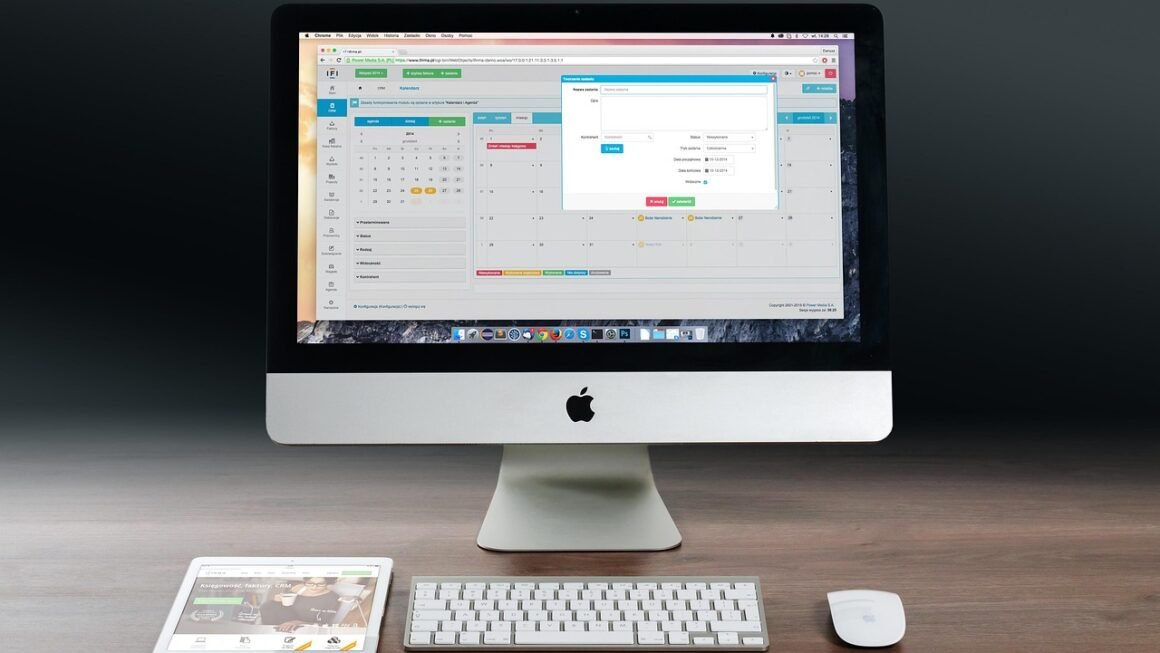
Teamwork makes the dream work, right? While that sentiment might be a bit cliché, the underlying principle rings true, especially in today’s fast-paced and increasingly complex work environments. Effective team collaboration isn’t just a nice-to-have; it’s a necessity for driving innovation, boosting productivity, and ultimately achieving organizational goals. This post delves into the core aspects of team collaboration, providing actionable insights and practical tips to enhance your team’s performance.
What is Team Collaboration and Why is it Important?
Defining Team Collaboration
Team collaboration involves individuals working together towards a common goal, sharing knowledge, resources, and responsibilities. It’s more than just working side-by-side; it’s about creating a synergistic environment where each member’s strengths complement each other. This includes:
- Open communication: Freely sharing ideas and feedback.
- Shared understanding: Having a common vision and clear objectives.
- Mutual respect: Valuing each team member’s contributions and perspectives.
- Effective conflict resolution: Addressing disagreements constructively.
The Benefits of Strong Team Collaboration
Strong team collaboration yields a multitude of benefits, contributing significantly to both individual and organizational success. These advantages include:
- Increased Productivity: When team members effectively communicate and share resources, they can complete tasks faster and more efficiently. For example, a marketing team collaborating on a campaign can leverage each member’s expertise in content creation, SEO, and social media to deliver a more impactful and timely campaign.
- Enhanced Innovation: Diverse perspectives and collaborative brainstorming sessions often lead to more creative solutions and innovative ideas. A product development team collaborating with customer service representatives can gain valuable insights into customer needs, leading to more user-friendly and effective products.
- Improved Problem-Solving: By pooling knowledge and skills, teams can tackle complex problems more effectively than individuals working alone. A technical support team collaborating with engineers can quickly diagnose and resolve technical issues, minimizing downtime and improving customer satisfaction.
- Increased Employee Engagement: When team members feel valued and connected, they are more likely to be engaged and motivated. A recent study showed that companies with highly engaged employees are 21% more profitable.
- Better Decision-Making: Collaborative decision-making processes, where all team members have a voice, often lead to more informed and well-rounded decisions. This reduces the risk of biases and oversights.
Building a Collaborative Team Culture
Establishing Clear Goals and Objectives
A fundamental step in fostering team collaboration is establishing crystal-clear goals and objectives. Everyone on the team should understand what they are working towards and how their individual contributions align with the overall mission.
- Use SMART goals: Specific, Measurable, Achievable, Relevant, and Time-bound.
- Regularly communicate: Ensure everyone is on the same page through regular meetings and updates. For example, project managers should conduct daily stand-up meetings to discuss progress, challenges, and upcoming tasks.
- Visual dashboards: Utilize visual tools like project management software or Kanban boards to track progress and visualize goals.
Fostering Open and Honest Communication
Open communication is the lifeblood of effective team collaboration. Create a safe space where team members feel comfortable sharing ideas, feedback, and concerns without fear of judgment.
- Active listening: Encourage team members to listen attentively to each other.
- Constructive feedback: Provide feedback that is specific, actionable, and focused on improvement. For instance, instead of saying “Your presentation was bad,” offer specific suggestions like “Consider adding visuals to make your points clearer.”
- Utilize communication tools: Leverage communication platforms like Slack, Microsoft Teams, or email to facilitate seamless communication.
- Regular team meetings: Schedule regular team meetings to discuss progress, address challenges, and foster team bonding.
Encouraging Respect and Empathy
A collaborative team culture thrives on mutual respect and empathy. Encourage team members to value each other’s contributions, understand different perspectives, and support each other’s growth.
- Promote diversity and inclusion: Value diverse backgrounds, perspectives, and experiences.
- Practice empathy: Encourage team members to put themselves in each other’s shoes and understand their challenges.
- Celebrate successes: Acknowledge and celebrate both individual and team accomplishments to boost morale and foster a sense of camaraderie. For example, a simple “thank you” note or a team lunch can go a long way in recognizing contributions.
Utilizing Technology to Enhance Collaboration
Choosing the Right Collaboration Tools
Numerous technology tools are available to enhance team collaboration. Selecting the right tools depends on your team’s specific needs and workflows.
- Project Management Software: Tools like Asana, Trello, and Jira help teams organize tasks, track progress, and manage deadlines.
- Communication Platforms: Platforms like Slack, Microsoft Teams, and Google Chat facilitate real-time communication, file sharing, and virtual meetings.
- Document Collaboration Tools: Google Docs, Microsoft Word Online, and Dropbox Paper enable team members to collaboratively create, edit, and share documents.
- Video Conferencing Software: Zoom, Google Meet, and Microsoft Teams allow teams to conduct virtual meetings and stay connected remotely.
Implementing Effective Collaboration Workflows
Simply having the right tools is not enough; it’s crucial to implement effective collaboration workflows that integrate these tools into your daily routines.
- Establish clear communication channels: Define which channels should be used for different types of communication (e.g., Slack for quick updates, email for formal communication).
- Create shared document repositories: Organize documents in a centralized location that is easily accessible to all team members.
- Use project management software to assign tasks and track progress: Ensure that all tasks are clearly assigned, deadlines are set, and progress is regularly tracked.
- Integrate tools for seamless workflows: Connect different tools to automate tasks and streamline processes. For example, integrating Slack with Asana can automatically notify team members of new tasks or updates.
Remote Collaboration Best Practices
With the rise of remote work, it’s essential to implement specific best practices for remote collaboration.
- Establish clear communication expectations: Define how often team members should communicate and which channels should be used for different types of communication.
- Encourage regular check-ins: Schedule regular virtual meetings or check-ins to maintain team cohesion and address any challenges.
- Utilize video conferencing for face-to-face interaction: Video conferencing helps build rapport and maintain a sense of connection among remote team members.
- Create a virtual “water cooler” space: Create a dedicated channel in your communication platform for casual conversations and social interaction.
- Be mindful of time zones: When scheduling meetings, be mindful of team members in different time zones.
Overcoming Common Collaboration Challenges
Addressing Conflict and Disagreements
Conflict is inevitable in any team environment. However, the key is to address conflicts constructively and turn them into opportunities for growth and improvement.
- Encourage open dialogue: Create a safe space where team members can express their concerns and perspectives.
- Focus on solutions: Instead of dwelling on the problem, focus on finding mutually agreeable solutions.
- Mediation: If necessary, bring in a neutral third party to mediate the conflict.
- Establish clear conflict resolution processes: Define a clear process for addressing conflicts, including escalation procedures.
Managing Communication Overload
In today’s digital age, communication overload is a common challenge. Implement strategies to minimize distractions and ensure that important information doesn’t get lost in the noise.
- Prioritize communication channels: Use different channels for different types of communication (e.g., Slack for urgent matters, email for less time-sensitive information).
- Set communication boundaries: Encourage team members to set boundaries around their availability and communication preferences.
- Batch communication: Dedicate specific times of the day for responding to emails and messages.
- Utilize features like “do not disturb” mode: Use features like “do not disturb” mode to minimize distractions during focus time.
Overcoming Geographical Barriers
When team members are located in different geographical locations, it can be challenging to maintain effective collaboration.
- Utilize technology to bridge the gap: Leverage video conferencing, communication platforms, and collaboration tools to stay connected.
- Schedule regular virtual meetings: Schedule regular virtual meetings to maintain team cohesion and address any challenges.
- Be mindful of time zones: When scheduling meetings, be mindful of team members in different time zones.
- Encourage cross-cultural communication: Provide training on cross-cultural communication to promote understanding and respect among team members from different cultural backgrounds.
- Consider face-to-face meetings: Whenever possible, consider arranging face-to-face meetings to build stronger relationships and foster team bonding.
Measuring Team Collaboration Effectiveness
Key Performance Indicators (KPIs) for Collaboration
Measuring team collaboration effectiveness is crucial for identifying areas for improvement and ensuring that your collaboration efforts are yielding positive results. Key Performance Indicators (KPIs) can provide valuable insights into team dynamics and performance.
- Project Completion Rate: Measures the percentage of projects completed on time and within budget.
- Task Completion Time: Tracks the average time it takes to complete tasks, indicating efficiency and productivity.
- Communication Frequency: Monitors the frequency of communication among team members, ensuring adequate information sharing.
- Employee Satisfaction: Assesses employee satisfaction levels, providing insights into team morale and engagement. Use surveys and feedback sessions to collect data.
- Innovation Rate: Measures the number of new ideas generated and implemented by the team, reflecting creativity and problem-solving abilities.
- Conflict Resolution Time: Tracks the time it takes to resolve conflicts within the team, indicating the effectiveness of conflict resolution processes.
Gathering Feedback and Making Improvements
Regularly gathering feedback from team members is essential for understanding their experiences and identifying areas for improvement.
- Anonymous Surveys: Conduct anonymous surveys to gather honest feedback without fear of repercussions.
- One-on-One Meetings: Schedule one-on-one meetings to discuss individual concerns and suggestions.
- Team Retrospectives: Hold regular team retrospectives to review past projects, identify lessons learned, and make improvements for future projects.
- Actionable Insights: Use the feedback gathered to implement concrete changes and improvements to collaboration processes.
Conclusion
Effective team collaboration is a cornerstone of success in today’s dynamic work environment. By fostering a collaborative culture, utilizing the right technology, and addressing common challenges, organizations can unlock the full potential of their teams. Remember to establish clear goals, promote open communication, and continuously measure and improve your collaboration efforts. Investing in team collaboration is an investment in your organization’s future.