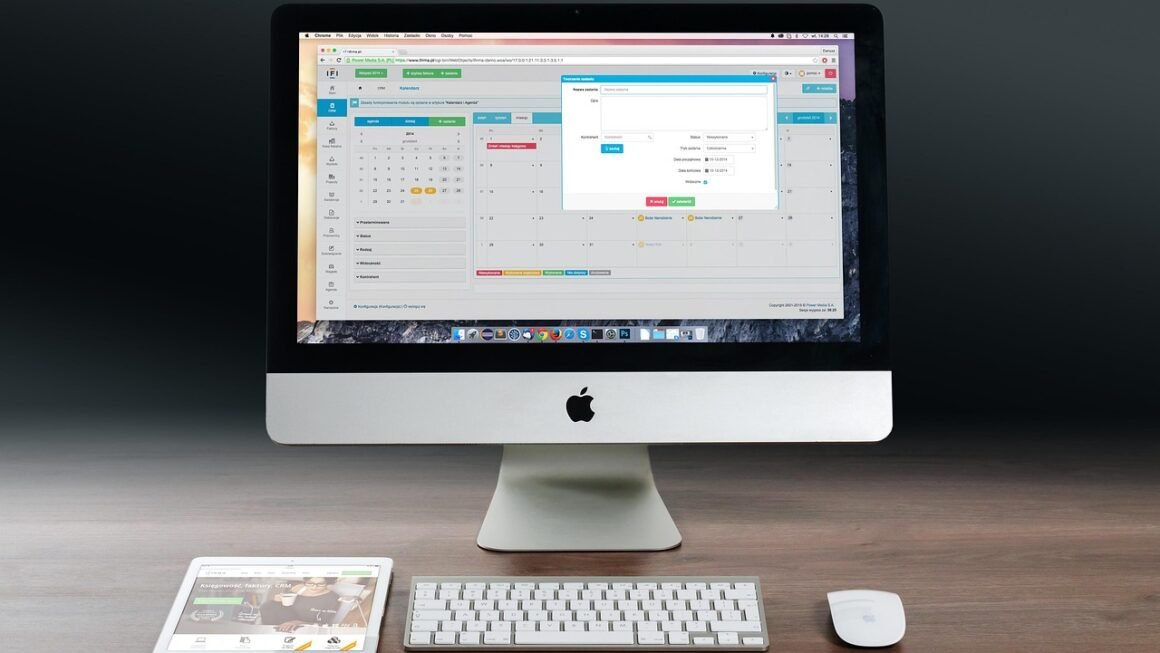
Every project, big or small, thrives on momentum. But how do you maintain that momentum and ensure you’re heading in the right direction? The answer lies in effective progress tracking. It’s more than just ticking off tasks; it’s about gaining a clear understanding of where you stand, identifying potential roadblocks, and making data-driven decisions to optimize your path to success. This comprehensive guide will equip you with the knowledge and tools you need to master the art of progress tracking.
Why Track Progress? The Undeniable Benefits
Increased Project Visibility
- Real-time insights: Progress tracking provides a clear, up-to-date view of the project’s status, allowing stakeholders to see exactly where things stand. This eliminates ambiguity and fosters transparency.
- Early problem detection: By closely monitoring progress, you can identify potential delays, bottlenecks, or resource constraints early on. This allows you to proactively address issues before they escalate.
- Improved communication: Having a centralized system for tracking progress facilitates clear and concise communication among team members and stakeholders. Everyone is on the same page.
Enhanced Accountability and Motivation
- Clear responsibilities: Progress tracking clarifies who is responsible for each task, promoting accountability and ownership.
- Motivational impact: Seeing progress visually can be incredibly motivating for team members. It provides a sense of accomplishment and encourages them to keep pushing forward.
- Performance evaluation: Tracking progress data allows for objective evaluation of individual and team performance, leading to constructive feedback and improved productivity.
Data-Driven Decision Making
- Resource allocation: Understanding where resources are being utilized most effectively allows you to optimize allocation and avoid bottlenecks.
- Risk mitigation: By identifying potential risks early on, you can develop mitigation strategies to minimize their impact on the project’s timeline and budget.
- Improved forecasting: Tracking past progress allows you to make more accurate predictions about future timelines and resource needs.
- Example: Imagine a software development project. Without progress tracking, you might not realize that the front-end team is significantly behind schedule until it’s too late. With tracking, you’d see the slippage early on and be able to reallocate resources or adjust the project timeline accordingly.
Choosing the Right Progress Tracking Tools
Spreadsheets: A Simple Starting Point
- Pros: Accessible, familiar, and customizable. Suitable for small projects with limited budgets.
- Cons: Can become cumbersome and difficult to manage for larger projects. Limited collaboration features and prone to errors.
- Example: Use a simple spreadsheet to track tasks, assignees, deadlines, and completion status. Employ conditional formatting to visually highlight overdue tasks or completed items.
Project Management Software: Feature-Rich Solutions
- Pros: Offer a wide range of features, including task management, Gantt charts, resource allocation, and collaboration tools. Scalable and suitable for projects of any size. Examples include Asana, Trello, Jira, and Monday.com.
- Cons: Can be expensive, requiring a subscription fee. May require some training to learn how to use effectively.
- Example: Use a project management tool like Asana to break down a marketing campaign into individual tasks, assign them to team members, set deadlines, and track progress. Use the built-in reporting features to monitor overall campaign performance.
Specialized Tracking Tools: Tailored to Specific Needs
- Time Tracking Software: Focuses on tracking time spent on tasks, useful for billable hours or productivity analysis. Examples include Toggl Track, Clockify, and Harvest.
- Bug Tracking Software: Specifically designed for tracking and resolving software bugs. Examples include Jira, Bugzilla, and MantisBT.
- CRM Software: Tracks customer interactions and sales progress. Examples include Salesforce, HubSpot, and Zoho CRM.
- Tip: Consider the size and complexity of your project, your budget, and your team’s technical expertise when choosing a progress tracking tool. Start with a free trial to test out different options before committing to a paid subscription.
Key Metrics to Track for Meaningful Progress
Task Completion Rate
- Definition: The percentage of tasks completed within a given timeframe.
- Importance: Indicates overall project momentum and potential bottlenecks.
- Example: If the task completion rate consistently falls below the planned rate, it could indicate insufficient resources or unrealistic deadlines.
Time Spent vs. Estimated Time
- Definition: Comparing the actual time spent on a task to the original estimated time.
- Importance: Highlights areas where time estimates are inaccurate, allowing for better planning in the future.
- Example: If tasks consistently take longer than estimated, it may be necessary to revise estimates for similar tasks in the future.
Budget Variance
- Definition: The difference between the planned budget and the actual spending.
- Importance: Helps control costs and prevent overspending.
- Example: If the project is consistently exceeding the budget, it may be necessary to identify areas where costs can be reduced or to secure additional funding.
Milestone Achievement
- Definition: Tracking the completion of key milestones in the project timeline.
- Importance: Provides a high-level view of project progress and ensures that major deliverables are on track.
- Example: A milestone might be the completion of a prototype, the launch of a website, or the release of a new software version.
Resource Utilization
- Definition: Tracking how effectively resources (e.g., team members, equipment) are being utilized.
- Importance: Identifies potential bottlenecks and ensures that resources are being used efficiently.
- Example: If a particular team member is consistently overloaded with tasks, it may be necessary to reallocate resources or hire additional staff.
- Data Point: According to a study by the Project Management Institute (PMI), projects that utilize formal progress tracking techniques are 11% more likely to be completed successfully.
Best Practices for Effective Progress Tracking
Set Clear and Measurable Goals
- SMART Goals: Ensure that your goals are Specific, Measurable, Achievable, Relevant, and Time-bound.
- Decompose Tasks: Break down large tasks into smaller, more manageable subtasks.
- Establish Key Performance Indicators (KPIs): Define the metrics that will be used to track progress and measure success.
Regular Monitoring and Reporting
- Daily/Weekly Check-ins: Conduct regular check-ins with team members to review progress and identify any challenges.
- Automated Reporting: Utilize progress tracking tools that generate automated reports on key metrics.
- Stakeholder Communication: Keep stakeholders informed of progress through regular updates and reports.
Foster a Culture of Transparency
- Open Communication: Encourage open communication among team members about progress, challenges, and risks.
- Share Progress Data: Make progress data readily available to all stakeholders.
- Celebrate Successes: Recognize and celebrate milestones and achievements to boost morale and motivation.
Adapt and Improve
- Regular Reviews: Conduct regular reviews of the progress tracking process to identify areas for improvement.
- Learn from Mistakes: Analyze past projects to identify what worked well and what could be improved.
- Continuous Improvement: Continuously strive to refine your progress tracking techniques and tools.
- Actionable Takeaway: Implement a weekly progress review meeting to discuss achievements, challenges, and upcoming tasks. This fosters collaboration and ensures everyone is aligned.
Conclusion
Progress tracking is not just a task; it’s a strategic imperative for project success. By embracing the principles and practices outlined in this guide, you can gain unparalleled visibility into your projects, empower your teams, and make data-driven decisions that drive results. Choose the right tools, track the right metrics, and foster a culture of transparency to unlock the full potential of progress tracking. The journey to success is paved with informed decisions, and effective progress tracking provides the roadmap you need to navigate it confidently.