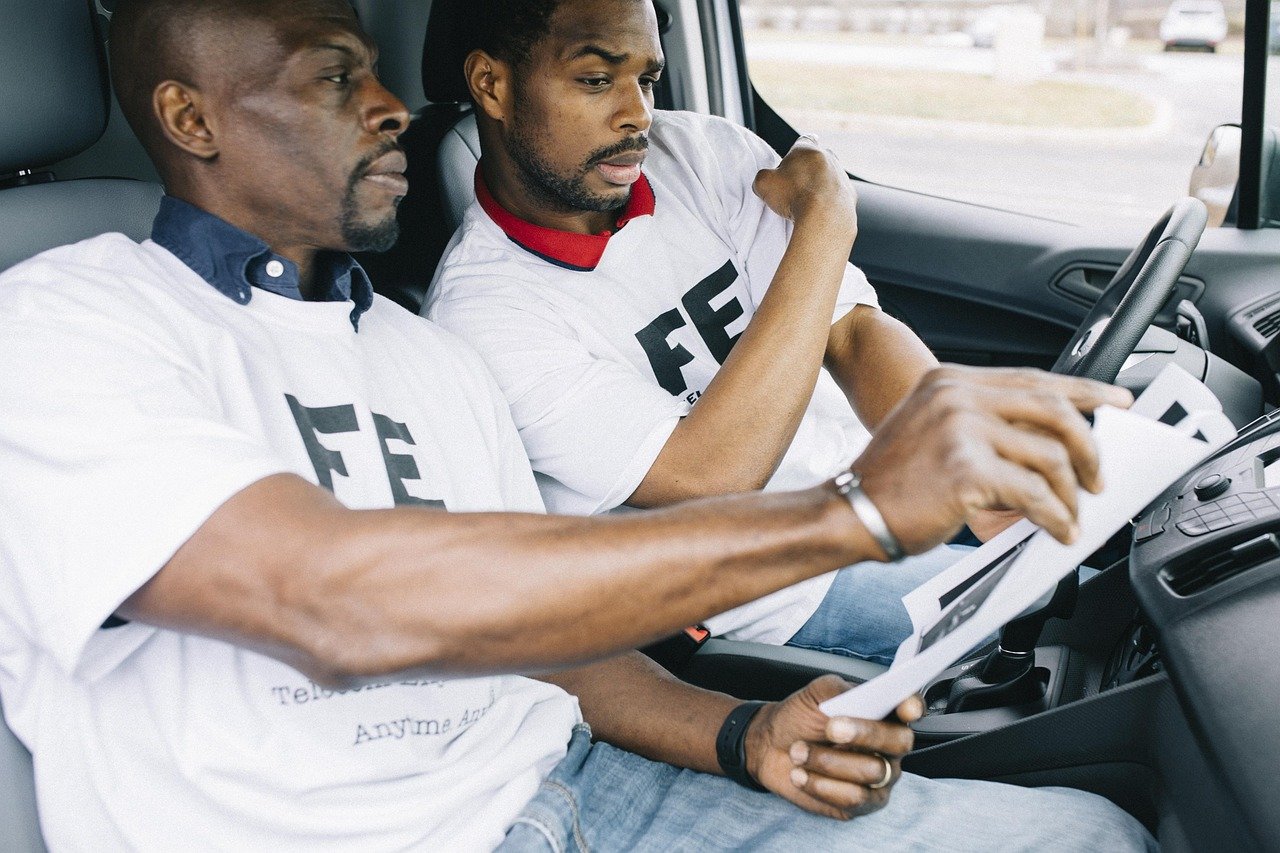
Team goal tracking is the cornerstone of high-performing teams. When everyone understands the team’s objectives and can visualize progress, motivation soars, collaboration flourishes, and results dramatically improve. But simply setting goals isn’t enough. Effective tracking systems, transparent communication, and consistent review are essential for transforming aspirations into achievements. Let’s dive into how you can optimize your team goal tracking strategy.
Why Team Goal Tracking Matters
Increased Accountability
- Clarifies Ownership: Team goal tracking ensures everyone knows their individual responsibilities in contributing to the larger objectives. By assigning specific tasks and deadlines, you eliminate ambiguity and foster a sense of ownership. For example, instead of a vague “improve customer satisfaction,” break it down into: “Sarah will reduce average response time by 15% by end of Q3.”
- Promotes Proactive Problem-Solving: With clear visibility into progress, team members can identify potential roadblocks early on. This proactive approach allows for timely interventions and prevents minor issues from escalating into significant setbacks. Imagine a sales team tracking their monthly quota. If they see a dip mid-month, they can collaboratively strategize on how to boost sales before the month ends.
- Data-Driven Performance Evaluations: Objective metrics from goal tracking provide a solid foundation for performance reviews. Managers can use real data to assess individual and team contributions, providing constructive feedback and identifying areas for improvement.
Enhanced Collaboration & Communication
- Shared Understanding: A central goal tracking system provides a single source of truth, ensuring that everyone is on the same page regarding priorities and progress. This eliminates miscommunication and prevents team members from working at cross-purposes. Consider a marketing team launching a new campaign; tracking progress on different components (content creation, ad spend, social media engagement) ensures everyone knows where the project stands.
- Improved Transparency: Open access to goal tracking data fosters trust and encourages collaboration. Team members can readily see how their contributions impact the overall objective, motivating them to support each other and work together towards shared success.
- Facilitates Meaningful Discussions: Regular reviews of goal tracking data create opportunities for productive team discussions. Teams can analyze progress, identify challenges, and brainstorm solutions collaboratively.
Improved Performance & Productivity
- Focus and Prioritization: Clearly defined and tracked goals help teams focus their efforts on the most important tasks, preventing them from getting bogged down in less critical activities.
- Increased Motivation: Seeing progress towards goals can be incredibly motivating for team members. As milestones are reached, morale increases and the team feels a sense of accomplishment. For instance, a software development team might celebrate achieving sprint goals weekly, fostering a positive and productive environment.
- Data-Driven Decision Making: By tracking progress and analyzing data, teams can identify what’s working and what’s not. This allows them to make informed decisions about resource allocation, strategy adjustments, and process improvements.
Choosing the Right Goal Tracking Tool
Features to Consider
- Ease of Use: The tool should be intuitive and easy to learn, so team members can adopt it quickly and without significant training.
- Customization: The ability to customize goals, metrics, and reports is essential to ensure the tool aligns with your specific team needs.
- Collaboration Features: Look for tools that facilitate communication and collaboration, such as commenting, task assignment, and real-time updates.
- Reporting and Analytics: The tool should provide robust reporting and analytics capabilities, allowing you to track progress, identify trends, and measure the impact of your efforts.
- Integrations: Ensure the tool integrates with other software your team uses, such as project management tools, CRM systems, and communication platforms.
Popular Options
- Asana: A powerful project management tool with robust goal tracking features, allowing you to link goals to specific tasks and projects.
- Trello: A visual project management tool that can be adapted for goal tracking using lists, cards, and custom fields.
- Monday.com: A highly customizable platform that offers a wide range of goal tracking and project management features.
- Google Sheets: A free and versatile spreadsheet program that can be used for basic goal tracking.
- Dedicated Goal Tracking Software: Platforms like Ally.io and Weekdone provide specialized features for setting and tracking OKRs (Objectives and Key Results).
Setting Effective Team Goals
The SMART Framework
- Specific: Goals should be clear, concise, and well-defined.
Example: Instead of “Increase website traffic,” set the goal as “Increase website traffic by 20% through SEO by the end of Q3.”
- Measurable: Goals should be quantifiable so you can track progress and determine when they have been achieved.
Example: Use metrics like website visits, conversion rates, or revenue generated.
- Achievable: Goals should be challenging but realistic. Setting unrealistic goals can demotivate the team.
- Relevant: Goals should align with the overall business objectives and contribute to the company’s success.
- Time-Bound: Goals should have a defined deadline, creating a sense of urgency and accountability.
Involve the Team
- Collaborative Goal Setting: Involve team members in the goal-setting process to foster buy-in and ownership.
- Solicit Input: Ask for their input on what goals are achievable and relevant, and encourage them to suggest specific metrics and targets.
- Communicate the “Why”: Clearly explain the rationale behind each goal and how it contributes to the larger organizational objectives.
Tracking and Monitoring Progress
Regular Check-Ins
- Frequency: Schedule regular check-ins to review progress, identify challenges, and make adjustments as needed. Weekly or bi-weekly check-ins are often effective.
- Format: These check-ins can be formal meetings or informal discussions, depending on the team’s preference and the complexity of the goals.
- Focus: Focus on progress towards goals, not just activity. Encourage open and honest communication about any roadblocks or challenges.
Visual Dashboards
- Create Visual Representations: Use visual dashboards to display progress towards goals in a clear and concise manner.
- Key Metrics: Include key metrics, charts, and graphs to provide a snapshot of performance.
- Accessibility: Make the dashboard easily accessible to all team members.
Celebrating Successes
- Acknowledge Achievements: Celebrate successes, both big and small, to boost morale and reinforce positive behaviors.
- Public Recognition: Publicly recognize team members who have made significant contributions.
- Reward System: Consider implementing a reward system to incentivize goal achievement. This could include bonuses, extra vacation time, or other perks.
Conclusion
Effective team goal tracking is more than just setting targets. It’s about fostering a culture of accountability, collaboration, and continuous improvement. By choosing the right tools, setting SMART goals, and consistently monitoring progress, you can empower your team to achieve remarkable results. Remember to celebrate successes along the way, reinforcing positive behaviors and building a high-performing team that consistently exceeds expectations. Implementing these strategies will drive your team towards greater productivity, innovation, and ultimately, success.