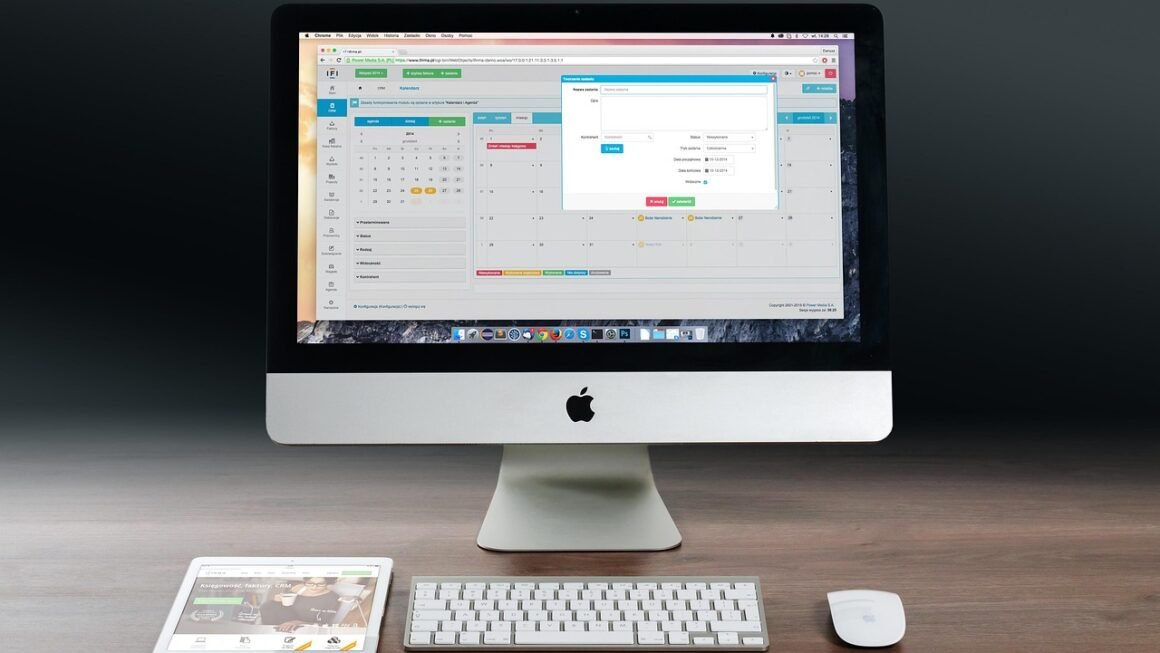
Project management is the backbone of any successful endeavor, big or small. In today’s fast-paced business landscape, effective project management is no longer a luxury; it’s a necessity. But juggling tasks, deadlines, resources, and communication can quickly become overwhelming. That’s where project management (PM) tools come in, offering a centralized hub to streamline workflows, enhance collaboration, and ultimately, drive project success. This blog post will explore the world of PM tools, helping you understand their benefits, features, and how to choose the right one for your specific needs.
Understanding Project Management Tools
Project management tools are software applications designed to help teams plan, organize, execute, and monitor projects effectively. They offer a range of features that address various aspects of project management, from task assignment and progress tracking to resource allocation and communication.
What Makes a Great PM Tool?
A great PM tool should be user-friendly, customizable, and scalable. Here’s a breakdown of key characteristics:
- Intuitive Interface: Easy navigation and a clear layout are crucial for user adoption.
- Customization Options: The ability to tailor the tool to your specific project needs is essential.
- Collaboration Features: Seamless communication and file sharing capabilities are vital for team collaboration.
- Reporting and Analytics: Robust reporting features provide insights into project progress and performance.
- Integration Capabilities: The ability to integrate with other tools you already use (e.g., CRM, communication platforms) streamlines workflows.
- Scalability: The tool should be able to grow with your business and handle increasingly complex projects.
The Benefits of Using PM Tools
Implementing a PM tool can transform the way your team manages projects, leading to significant improvements in efficiency and outcomes.
- Improved Collaboration: Centralized communication and document sharing eliminate silos and foster teamwork.
- Enhanced Organization: Task management features help teams stay on track and meet deadlines.
- Increased Efficiency: Automation and streamlined workflows reduce manual effort and save time.
- Better Resource Management: Resource allocation tools ensure that resources are used effectively.
- Data-Driven Decision-Making: Reporting and analytics provide insights that inform strategic decisions.
- Reduced Project Costs: By improving efficiency and preventing delays, PM tools can help reduce overall project costs. According to a recent study by the Project Management Institute (PMI), organizations that effectively utilize PM tools are significantly more likely to complete projects on time and within budget.
Popular Project Management Tool Features
The features offered by PM tools can vary, but some are considered essential for effective project management.
Task Management
This is often the core feature of any PM tool, allowing users to break down projects into smaller, manageable tasks, assign them to team members, set deadlines, and track progress.
- Task Lists: Create and manage lists of tasks, subtasks, and dependencies.
- Task Assignment: Assign tasks to specific team members and set priorities.
- Deadlines and Reminders: Set deadlines for tasks and receive reminders to stay on track.
- Progress Tracking: Monitor the progress of tasks and identify potential roadblocks. Example: Using a Kanban board to visualize the progress of tasks through different stages, like “To Do,” “In Progress,” and “Completed.”
Collaboration and Communication
Effective communication is vital for project success, and PM tools facilitate collaboration with features like:
- Real-Time Messaging: Communicate with team members in real-time via chat or messaging features.
- File Sharing: Share documents, images, and other files securely within the platform.
- Discussion Forums: Create forums for discussions on specific project topics.
- Video Conferencing Integration: Integrate with video conferencing tools for virtual meetings and collaboration. Example: Using a tool like Asana with its built-in commenting feature to discuss a specific task and share relevant files directly within the task itself.
Reporting and Analytics
PM tools provide valuable insights into project performance through reporting and analytics features.
- Project Dashboards: Visualize project progress, key metrics, and potential risks.
- Custom Reports: Generate custom reports to track specific aspects of your projects.
- Performance Metrics: Track key performance indicators (KPIs) such as task completion rate, budget adherence, and resource utilization. Example: Generating a burndown chart to track the remaining work in a sprint and identify potential delays.
Time Tracking and Resource Management
These features are essential for managing resources effectively and ensuring that projects stay within budget.
- Time Tracking: Track the time spent on each task to monitor productivity and identify areas for improvement.
- Resource Allocation: Allocate resources to specific tasks and projects to ensure that they are used effectively.
- Capacity Planning: Plan for future resource needs based on project timelines and requirements. Example: Using a resource heatmap to identify overallocation of resources and adjust assignments accordingly.
Choosing the Right PM Tool
Selecting the right PM tool requires careful consideration of your specific needs and priorities.
Assess Your Needs
Before you start evaluating PM tools, take the time to assess your team’s specific needs and requirements.
- Team Size: Consider the size of your team and the number of users you’ll need.
- Project Complexity: Evaluate the complexity of your projects and the features you’ll need to manage them effectively.
- Budget: Determine your budget and look for tools that offer the best value for your money.
- Industry-Specific Requirements: Some industries may have specific requirements or regulations that your PM tool needs to address.
Compare Different Tools
Once you have a clear understanding of your needs, research and compare different PM tools to find the best fit. Here are a few popular options:
- Asana: Known for its ease of use and collaboration features.
- Trello: A visual project management tool based on Kanban boards.
- Monday.com: A highly customizable platform with a wide range of features.
- Jira: Popular among software development teams for its issue tracking and agile project management capabilities.
- Microsoft Project: A robust PM tool from Microsoft with advanced planning and scheduling features.
Consider Scalability and Integration
Choose a PM tool that can scale with your business and integrate seamlessly with other tools you already use.
- Scalability: Ensure that the tool can handle increasingly complex projects as your business grows.
- Integration: Look for tools that integrate with your CRM, communication platforms, and other essential applications.
Try Before You Buy
Many PM tools offer free trials or demo versions. Take advantage of these opportunities to test out different tools and see which one works best for your team.
Conclusion
Project management tools are indispensable for modern teams looking to streamline workflows, enhance collaboration, and achieve project success. By understanding the benefits, features, and considerations involved in choosing the right tool, you can empower your team to manage projects more effectively and drive better outcomes. Investing in a PM tool is an investment in your team’s productivity and your organization’s overall success. Remember to assess your needs, compare different tools, and try before you buy to find the perfect fit for your team.