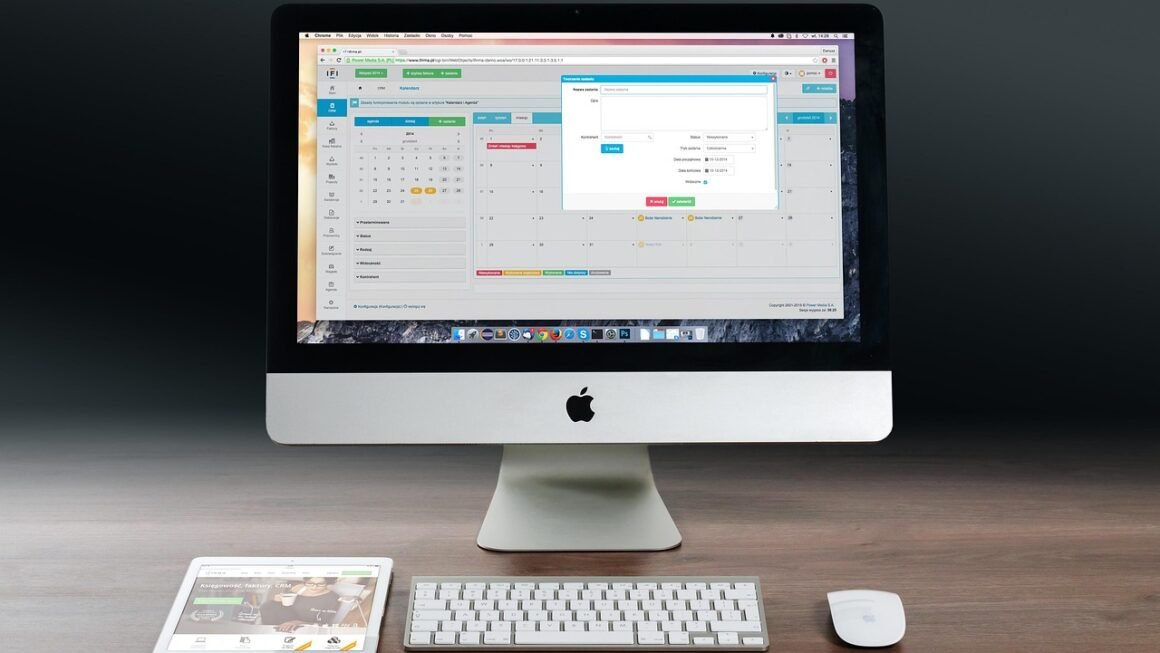
In today’s fast-paced world, maximizing productivity is no longer a luxury; it’s a necessity. Whether you’re a freelancer, a student, or a corporate professional, the right tools can significantly impact your efficiency and output. The good news is that a plethora of productivity tools are available, designed to streamline workflows, minimize distractions, and help you achieve your goals. This article will explore some of the best productivity tools available, categorized by function, and provide practical tips on how to implement them for optimal results.
Task Management & Organization
Effectively managing tasks is crucial for staying on track and achieving your goals. Without a clear system, important deadlines can slip, and projects can quickly become overwhelming. Task management tools offer solutions for organizing, prioritizing, and tracking your workload.
Todoist
Todoist is a powerful yet intuitive task management application available on virtually every platform. Its clean interface and robust features make it a popular choice for both personal and professional use.
- Key Features:
Cross-platform accessibility (web, desktop, mobile)
Task prioritization (using colors and priority levels)
Recurring tasks (daily, weekly, monthly, etc.)
Collaboration features (share tasks with others, assign responsibilities)
Integration with other apps (Gmail, Google Calendar, etc.)
Natural language input (add tasks using simple phrases like “Buy groceries tomorrow at 6 pm”)
- Example: Instead of simply adding “Work on project report,” you can add “Work on project report P1 due Friday at 5 pm” to prioritize and set a deadline.
- Benefit: Provides a centralized location for all your tasks, ensuring nothing gets overlooked.
Asana
Asana is a project management tool designed for teams but can also be used effectively by individuals. It offers a more visual and collaborative approach to task management than Todoist.
- Key Features:
Project views (list, board, calendar, timeline)
Task dependencies (ensure tasks are completed in the correct order)
Collaboration features (comments, file sharing)
Workload management (see who is overloaded and reassign tasks)
Custom fields (add specific information to tasks, such as status, budget, etc.)
- Example: Use the Kanban board view to visualize your workflow, moving tasks from “To Do” to “In Progress” to “Completed.”
- Benefit: Facilitates team collaboration and provides a clear overview of project progress.
Notion
Notion is an all-in-one workspace that combines task management, note-taking, knowledge base, and database functionalities. Its flexibility makes it highly customizable to suit individual needs.
- Key Features:
Databases (create custom databases for any type of information)
Templates (use pre-designed templates for project management, meeting notes, etc.)
Collaboration (share pages and databases with others)
Embedding (embed content from other apps, such as Google Docs, videos, etc.)
Cross-platform accessibility (web, desktop, mobile)
- Example: Build a custom task management system with a database that includes fields for priority, due date, status, and assigned person.
- Benefit: Offers a centralized hub for all your work, eliminating the need for multiple applications.
Time Management & Focus
Time is a finite resource, and effectively managing it is critical for productivity. Time management tools help you track your time, identify time-wasting activities, and improve focus.
Toggl Track
Toggl Track is a simple yet powerful time tracking tool that allows you to monitor how much time you spend on different tasks.
- Key Features:
One-click time tracking
Project and client tracking
Detailed reports (visualize your time allocation)
Team time tracking (monitor team productivity)
Integration with other apps (Asana, Trello, etc.)
- Example: Start tracking time as soon as you begin a task. At the end of the day, analyze your time allocation to identify areas where you can improve.
- Benefit: Provides valuable insights into your time usage, helping you identify and eliminate time-wasting activities.
Freedom
Freedom is a distraction blocker that helps you stay focused by blocking distracting websites and apps.
- Key Features:
Website and app blocking
Scheduled blocking sessions
Locked mode (prevents you from disabling the blocking)
Cross-platform accessibility (desktop, mobile)
- Example: Schedule a blocking session during your most productive hours to prevent yourself from getting distracted by social media or news websites.
- Benefit: Eliminates distractions and helps you stay focused on your work. Studies show that distractions can reduce productivity by as much as 40%.
Forest
Forest is a unique focus app that gamifies the process of staying focused. You plant a virtual tree when you start a task, and if you leave the app, the tree dies.
- Key Features:
Gamified focus
Website blocking
Customizable tree types
Real tree planting (Forest partners with Trees for the Future to plant real trees)
- Example: Use Forest to stay focused on a task for 25 minutes (Pomodoro Technique). Each successful session earns you points, which you can use to plant virtual trees.
- Benefit: Motivates you to stay focused and reduces screen time.
Note-Taking & Knowledge Management
Capturing ideas, taking notes, and organizing information are essential for learning, creativity, and problem-solving. Note-taking and knowledge management tools provide platforms for organizing your thoughts and accessing them quickly.
Evernote
Evernote is a popular note-taking application that allows you to capture and organize notes in various formats, including text, images, audio, and web clippings.
- Key Features:
Note organization (notebooks and tags)
Web clipping (save articles and web pages)
Optical character recognition (OCR) (search for text within images)
Collaboration (share notes with others)
Cross-platform accessibility (web, desktop, mobile)
- Example: Create a notebook for each project and tag notes with relevant keywords for easy retrieval.
- Benefit: Provides a centralized location for all your notes and information, making it easy to find what you need when you need it.
OneNote
OneNote is Microsoft’s note-taking application, integrated seamlessly with other Microsoft Office applications.
- Key Features:
Free-form note-taking (place notes anywhere on the page)
Audio and video recording
Drawing and annotation tools
Collaboration (share notebooks with others)
Integration with Microsoft Office apps (Word, Excel, PowerPoint)
- Example: Use OneNote to take notes during meetings, record audio, and sketch ideas.
- Benefit: Offers a flexible and versatile platform for capturing and organizing information.
Obsidian
Obsidian is a powerful knowledge management tool that allows you to create interconnected notes using Markdown.
- Key Features:
Markdown support
Backlinking (create links between notes)
Graph view (visualize the connections between your notes)
Plugins (extend Obsidian’s functionality)
- Example: Use Obsidian to build a personal knowledge base by linking related notes together. The graph view helps you discover new connections and insights.
- Benefit: Facilitates deep learning and knowledge retention by creating interconnected notes.
Communication & Collaboration
Effective communication and collaboration are vital for team productivity. Communication tools enable real-time communication, file sharing, and project updates.
Slack
Slack is a popular communication platform used by teams worldwide. It offers channels for organizing conversations, direct messaging, and file sharing.
- Key Features:
Channels (organize conversations by topic, project, or team)
Direct messaging (private conversations with individuals or groups)
File sharing
App integrations (connect Slack with other productivity tools)
Customizable notifications
- Example: Create a channel for each project to keep all project-related communication in one place.
- Benefit: Improves team communication and collaboration by providing a centralized platform for all communication needs.
Microsoft Teams
Microsoft Teams is another popular communication platform that is integrated with other Microsoft Office applications.
- Key Features:
Teams and channels (organize conversations by topic, project, or team)
Video conferencing
File sharing
App integrations (connect Teams with other productivity tools)
Meeting scheduling
- Example: Use Teams for video conferencing, file sharing, and real-time collaboration on documents.
- Benefit: Offers a comprehensive communication and collaboration solution, integrated seamlessly with other Microsoft Office applications.
Zoom
Zoom is a leading video conferencing platform used for meetings, webinars, and online events.
- Key Features:
High-quality video and audio
Screen sharing
Virtual backgrounds
Breakout rooms (for small group discussions)
Recording
- Example: Use Zoom for virtual meetings, presentations, and online training sessions.
- Benefit: Provides a reliable and feature-rich platform for video conferencing.
Automation & Efficiency
Automating repetitive tasks can save you valuable time and effort. Automation tools help you streamline your workflows and improve efficiency.
Zapier
Zapier is an automation tool that allows you to connect different apps and automate tasks between them.
- Key Features:
Connects thousands of apps
Automated workflows (called “Zaps”)
Triggers and actions (define when and how to automate tasks)
Customizable workflows
- Example: Automatically save attachments from Gmail to Google Drive, or add new leads from a form to your CRM.
- Benefit: Automates repetitive tasks, freeing up your time for more important activities.
IFTTT (If This Then That)
IFTTT is another automation tool that allows you to connect different apps and devices and automate tasks between them.
- Key Features:
Connects hundreds of apps and devices
Automated workflows (called “Applets”)
Triggers and actions (define when and how to automate tasks)
Location-based automation
- Example: Automatically turn on your smart lights when you arrive home, or post your Instagram photos to Twitter.
- Benefit: Automates tasks and connects different apps and devices, making your life easier.
Conclusion
Choosing the right productivity tools is essential for maximizing efficiency and achieving your goals. From task management and time tracking to note-taking and communication, a wide range of tools are available to help you streamline your workflows and improve focus. By carefully evaluating your needs and experimenting with different tools, you can create a personalized productivity system that works best for you. Remember to continuously assess and adjust your system as your needs evolve. The key is to find tools that support your specific work style and help you stay organized, focused, and productive.