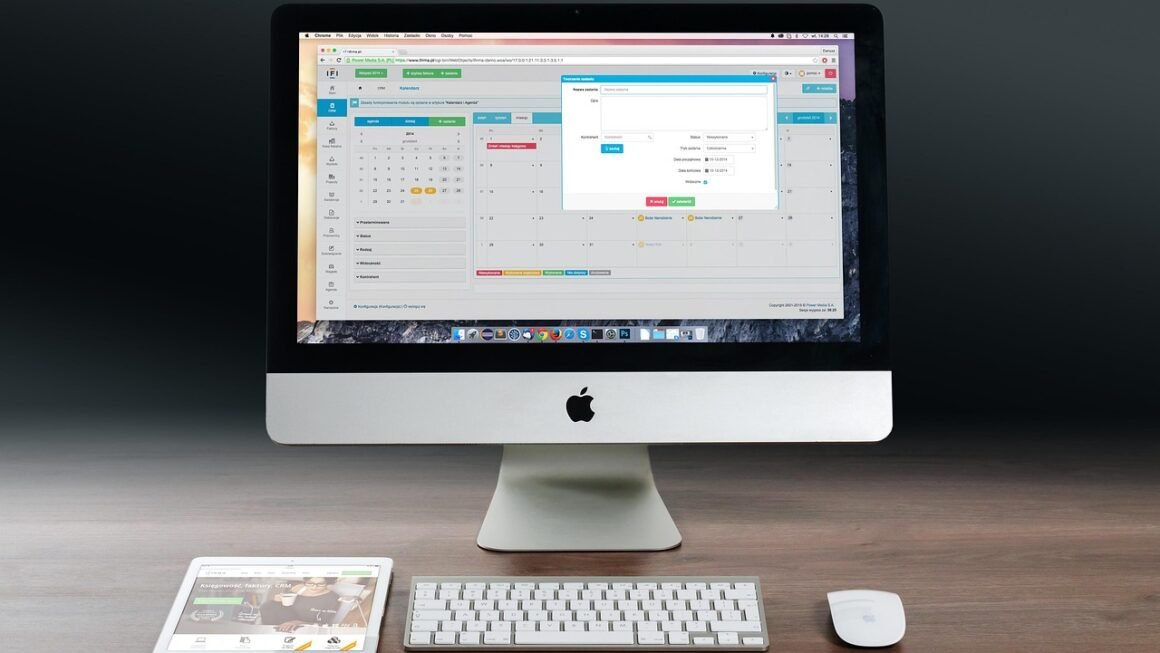
Progress tracking is the cornerstone of any successful project, goal achievement, or personal development journey. Without effectively monitoring your advancements, you’re essentially navigating in the dark, unsure if you’re heading in the right direction or simply spinning your wheels. Whether you’re managing a complex software development project, striving for a fitness goal, or overseeing a large marketing campaign, understanding and implementing robust progress tracking methods is paramount for staying on course and maximizing your chances of success.
Why Progress Tracking is Essential
Improved Accountability
- Personal Accountability: Progress tracking provides you with a clear and undeniable record of your efforts, fostering a sense of personal responsibility. When you can visually see the steps you’ve taken and the milestones you’ve reached, you’re more likely to stay committed to your goals.
- Team Accountability: In a team environment, progress tracking ensures that everyone understands their responsibilities and contributes to the overall objective. Regular updates and shared dashboards create transparency and hold each team member accountable for their assigned tasks. For example, using project management software like Asana or Jira can allow teams to assign tasks, set deadlines, and track individual progress, improving overall accountability.
Enhanced Decision-Making
- Data-Driven Insights: Progress tracking generates a wealth of data that can be analyzed to identify trends, patterns, and potential roadblocks. These insights empower you to make informed decisions based on facts rather than assumptions.
- Resource Allocation: By monitoring progress, you can identify areas where resources are being overutilized or underutilized. This allows you to reallocate resources strategically, optimizing efficiency and minimizing waste. Imagine tracking time spent on different features of a website redesign. If you see the majority of time is being spent on the homepage but user engagement metrics are low, you know you need to reallocate resources to other areas.
Increased Motivation
- Visualizing Success: Seeing your progress visualized, whether through charts, graphs, or simple checklists, can be incredibly motivating. It provides a tangible sense of accomplishment and encourages you to keep pushing forward.
- Celebrating Milestones: Progress tracking allows you to identify and celebrate milestones along the way. Acknowledging these achievements, both big and small, can boost morale and maintain momentum.
Effective Progress Tracking Methods
Project Management Software
- Features: These tools typically offer features such as task management, Gantt charts, Kanban boards, time tracking, and reporting. They provide a centralized platform for managing projects of all sizes and complexities.
- Examples: Popular options include Asana, Trello, Jira, Monday.com, and Microsoft Project.
- Benefits: Improved collaboration, streamlined workflows, enhanced visibility, and automated reporting. For example, using a Gantt chart within project management software allows you to visually track dependencies between tasks, identify critical paths, and monitor project timelines.
Spreadsheets
- Customization: Spreadsheets offer a high degree of customization, allowing you to create tracking systems tailored to your specific needs.
- Functionality: You can use formulas, charts, and graphs to visualize progress and analyze data.
- Considerations: While spreadsheets are versatile, they can become cumbersome for large or complex projects.
- Example: Create a spreadsheet to track weekly sales performance, including columns for sales rep, leads generated, calls made, deals closed, and revenue generated. Use formulas to calculate conversion rates and generate charts to visualize trends.
Goal-Setting Frameworks
- SMART Goals: Ensure your goals are Specific, Measurable, Achievable, Relevant, and Time-bound. This provides a clear framework for tracking progress and staying focused.
- OKRs (Objectives and Key Results): Define ambitious objectives and then identify measurable key results that will indicate success. Regularly track progress against these key results.
- Example: Instead of setting a goal to “improve customer satisfaction,” set a SMART goal to “increase customer satisfaction score from 7 to 8 out of 10 within Q3, as measured by our post-purchase survey.”
Time Tracking Tools
- Purpose: Time tracking tools help you monitor how much time you’re spending on various tasks, providing valuable insights into your productivity and efficiency.
- Examples: Toggl Track, Clockify, and RescueTime.
- Benefits: Identifying time-wasting activities, optimizing workflows, and improving time management skills. For example, tracking your time for a week might reveal that you’re spending an excessive amount of time on email, suggesting the need to batch your email communication or delegate tasks.
Key Metrics to Track
Task Completion Rate
- Definition: The percentage of tasks completed within a given timeframe.
- Importance: Provides a measure of overall productivity and project momentum.
- Example: If a team completes 8 out of 10 tasks within a sprint, the task completion rate is 80%.
Time Spent vs. Estimated Time
- Purpose: Comparing actual time spent on tasks with initial estimates can help you identify discrepancies and improve your estimation accuracy in the future.
- Actionable Insight: If tasks consistently take longer than expected, it may indicate a need for better planning, resource allocation, or skill development.
Key Performance Indicators (KPIs)
- Relevance: Identify the KPIs that are most relevant to your goals and track them consistently. These could include sales revenue, website traffic, customer acquisition cost, or employee satisfaction.
- Dashboarding: Create a dashboard to visualize your KPIs and monitor progress at a glance.
- Example: A marketing team might track website traffic, lead generation, conversion rates, and social media engagement as key performance indicators for a campaign.
Milestones Achieved
- Significance: Milestones represent significant progress points in a project or goal. Tracking their achievement provides a clear indication of overall progress.
- Celebration: Celebrate milestones to boost morale and reinforce positive momentum.
Tips for Effective Progress Tracking
Choose the Right Tools
- Fit: Select tools that align with your specific needs and project requirements. Consider factors such as team size, project complexity, and budget.
- Integration: Ensure that your chosen tools integrate seamlessly with your existing systems to avoid data silos and streamline workflows.
Be Consistent
- Regular Updates: Make progress tracking a regular habit. Schedule dedicated time each day or week to update your tracking systems and review your progress.
- Discipline: Consistency is key to generating reliable data and gaining valuable insights.
Visualize Your Progress
- Charts and Graphs: Use charts and graphs to visualize your progress and identify trends. This can make it easier to understand your data and communicate your progress to others.
- Dashboards: Create dashboards that provide a comprehensive overview of your progress at a glance.
Review and Adjust
- Periodic Reviews: Regularly review your progress and identify areas where you’re excelling or falling behind.
- Adaptability: Be prepared to adjust your plans and strategies based on your findings. Progress tracking is an iterative process, and flexibility is essential for success.
Conclusion
Progress tracking is not merely a procedural task; it’s a powerful tool that empowers you to achieve your goals, optimize your performance, and make informed decisions. By implementing effective progress tracking methods, carefully selecting your metrics, and consistently reviewing your progress, you can transform your aspirations into tangible realities. Embrace the discipline of progress tracking, and unlock the potential for growth, success, and continuous improvement in every aspect of your life and work.