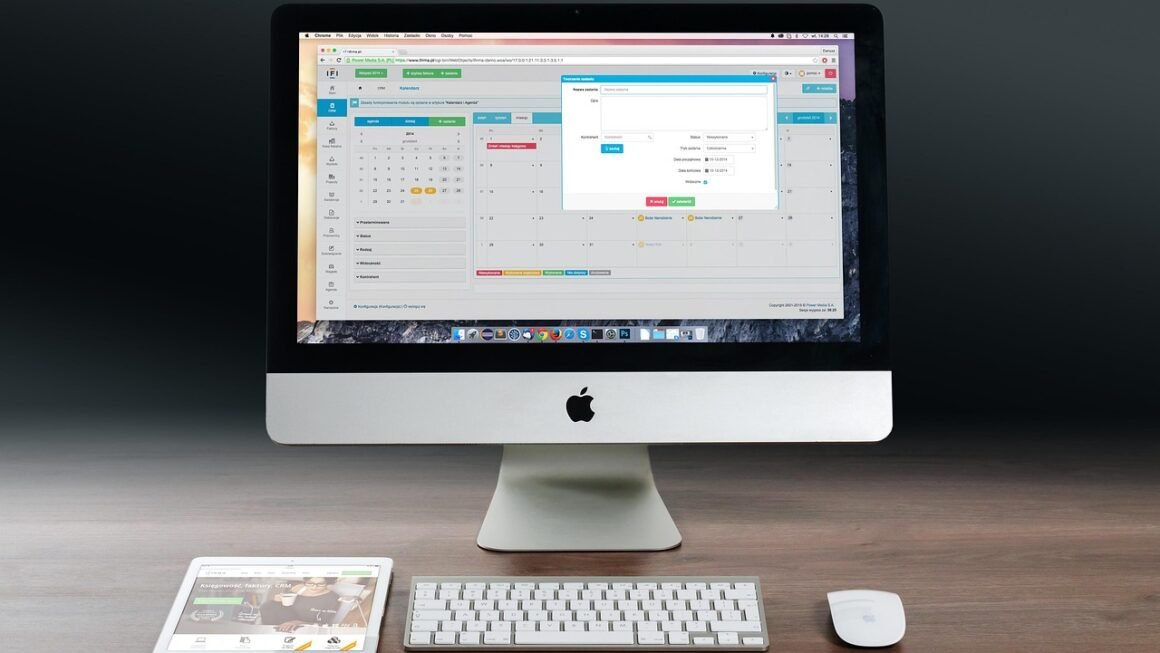
Progress tracking isn’t just about knowing where you stand; it’s about fueling momentum, identifying roadblocks, and ultimately, achieving your goals. Whether you’re managing a large project, working on personal development, or steering a business to success, a well-defined progress tracking system is your compass and map. This blog post will delve into the intricacies of progress tracking, providing you with actionable strategies and insights to optimize your performance.
Understanding the Importance of Progress Tracking
Why Track Progress?
Effective progress tracking provides a multitude of benefits, impacting both individual and organizational success. Consider these key advantages:
- Improved Goal Attainment: Tracking allows you to break down large goals into smaller, manageable tasks, making them less daunting and more achievable.
- Enhanced Accountability: Regular tracking fosters accountability, motivating individuals and teams to stay on course and meet deadlines.
- Early Identification of Issues: By monitoring progress, you can identify potential problems or bottlenecks early on, allowing for timely intervention and course correction.
- Data-Driven Decision Making: Progress data provides valuable insights into what’s working and what’s not, enabling informed decision-making.
- Increased Motivation and Engagement: Seeing tangible progress boosts morale and motivates individuals to continue working towards their goals.
- Better Resource Allocation: Understanding where progress is lagging allows you to allocate resources more efficiently.
For example, imagine a marketing team launching a new advertising campaign. Without tracking website traffic, lead generation, and sales conversions, they’re flying blind. By tracking these metrics, they can quickly identify which ads are performing well and which need adjustments, maximizing their return on investment.
The Cost of Not Tracking Progress
Conversely, failing to track progress can lead to significant setbacks and missed opportunities. The consequences include:
- Missed Deadlines: Without monitoring, projects can easily fall behind schedule.
- Budget Overruns: Lack of progress tracking can lead to inefficient resource allocation and increased costs.
- Reduced Productivity: Without clear goals and progress indicators, individuals and teams can become demotivated and unproductive.
- Inability to Learn and Improve: Without data, it’s impossible to identify areas for improvement and optimize performance.
- Increased Risk of Failure: Projects without effective progress tracking are more likely to fail to meet their objectives.
A study by the Project Management Institute found that organizations with high-performing project management practices, which include robust progress tracking, are significantly more likely to deliver projects on time and within budget.
Establishing a Robust Progress Tracking System
Defining Clear Goals and Objectives
The foundation of any effective progress tracking system is well-defined goals and objectives. These goals should be:
- Specific: Clearly define what you want to achieve. Avoid vague or ambiguous goals.
- Measurable: Establish quantifiable metrics to track progress.
- Achievable: Set realistic goals that are within reach.
- Relevant: Ensure your goals align with your overall objectives.
- Time-bound: Set a specific deadline for achieving your goals. (SMART goals)
For example, instead of setting a goal like “Increase website traffic,” a SMART goal would be: “Increase website traffic by 20% within the next three months by implementing a content marketing strategy focused on SEO.”
Selecting Appropriate Metrics and KPIs
Choosing the right metrics and Key Performance Indicators (KPIs) is crucial for accurate progress tracking. Consider these factors:
- Relevance: Select metrics that directly reflect progress towards your goals.
- Measurability: Ensure the metrics can be easily tracked and quantified.
- Actionability: Choose metrics that provide insights into areas where you can take action to improve performance.
- Frequency: Determine how often you need to track each metric. Some metrics may need to be tracked daily, while others can be tracked weekly or monthly.
Examples of KPIs include:
- Sales: Revenue, conversion rates, average deal size
- Marketing: Website traffic, lead generation, social media engagement
- Project Management: Tasks completed, milestones reached, budget spent
- Customer Service: Customer satisfaction scores, resolution time, churn rate
Choosing the Right Tools and Techniques
Numerous tools and techniques are available for progress tracking. The best choice depends on your specific needs and resources. Some popular options include:
- Spreadsheets: Simple and versatile for basic tracking. (e.g., Google Sheets, Microsoft Excel)
- Project Management Software: Ideal for managing complex projects with multiple tasks and stakeholders. (e.g., Asana, Trello, Jira)
- CRM Systems: Useful for tracking sales and customer-related activities. (e.g., Salesforce, HubSpot)
- Dashboards: Provide a visual overview of key metrics and KPIs. (e.g., Google Data Studio, Tableau)
- Kanban Boards: Visual workflow management system for tracking tasks through different stages.
For example, a small team might effectively track progress using a shared spreadsheet and a Kanban board on Trello. A larger organization with complex projects may benefit from a more robust project management system like Asana or Jira.
Implementing Effective Progress Tracking Practices
Regular Monitoring and Reporting
Consistent monitoring and reporting are essential for keeping track of progress and identifying potential issues.
- Establish a Schedule: Set a regular schedule for reviewing progress data. This could be daily, weekly, or monthly, depending on the nature of your goals.
- Create Reports: Generate regular reports that summarize progress towards key metrics and KPIs.
- Communicate Findings: Share reports with relevant stakeholders to keep them informed and engaged.
- Use Visualizations: Present data in a clear and concise manner using charts, graphs, and dashboards.
For example, a project manager might hold weekly progress meetings with the team to review completed tasks, identify roadblocks, and adjust the project plan as needed.
Adapting to Change and Challenges
Progress tracking is not a static process. It’s important to be flexible and adapt to changing circumstances.
- Regularly Review Goals: Re-evaluate your goals and objectives periodically to ensure they are still relevant and achievable.
- Adjust Metrics: If your initial metrics are not providing valuable insights, consider adjusting them.
- Address Roadblocks: Identify and address any obstacles that are hindering progress.
- Learn from Mistakes: Analyze past performance to identify areas for improvement and avoid repeating mistakes.
Imagine a software development team encountering unexpected technical challenges during a project. They might need to adjust the project timeline, reallocate resources, or modify the project scope to accommodate these challenges.
Encouraging Transparency and Collaboration
Promote transparency and collaboration to foster a culture of accountability and shared responsibility.
- Share Progress Data: Make progress data readily accessible to all relevant stakeholders.
- Encourage Feedback: Solicit feedback from team members and stakeholders on progress and potential improvements.
- Celebrate Successes: Acknowledge and celebrate achievements to boost morale and motivation.
- Foster Open Communication: Encourage open and honest communication about challenges and concerns.
For example, a company might use a shared dashboard to display key performance indicators and encourage team members to collaborate on problem-solving.
Leveraging Technology for Progress Tracking
Automation and Integration
Leveraging technology to automate progress tracking can save time and improve accuracy.
- Automate Data Collection: Use tools that automatically collect data from various sources.
- Integrate Systems: Connect different software systems to streamline data flow and eliminate manual data entry.
- Set Up Alerts: Configure alerts to notify you when progress falls behind schedule or when key metrics reach certain thresholds.
For example, a sales team might integrate their CRM system with their marketing automation platform to automatically track lead generation and conversion rates.
Data Analysis and Insights
Technology can also help you analyze progress data and gain valuable insights.
- Use Data Analytics Tools: Utilize data analytics tools to identify trends, patterns, and correlations in your data.
- Create Custom Reports: Generate custom reports tailored to your specific needs.
- Identify Areas for Improvement: Use data to pinpoint areas where you can improve performance.
For example, a marketing manager might use data analytics tools to analyze website traffic data and identify the most effective marketing channels.
Real-time Visibility and Reporting
Real-time dashboards and reporting provide up-to-the-minute visibility into progress.
- Create Dynamic Dashboards: Develop interactive dashboards that display key metrics and KPIs in real-time.
- Provide Mobile Access: Allow stakeholders to access progress data from their mobile devices.
- Generate Automated Reports: Automate the generation of regular progress reports.
For example, a CEO might use a real-time dashboard to monitor the company’s overall performance and identify any potential issues that need to be addressed.
Conclusion
Progress tracking is a fundamental aspect of achieving goals, both personally and professionally. By understanding the importance of tracking, establishing a robust system, implementing effective practices, and leveraging technology, you can significantly enhance your ability to stay on course, identify challenges, and ultimately, achieve success. Remember that progress tracking is not just about measuring progress; it’s about using data to drive continuous improvement and make informed decisions. Embrace progress tracking as an integral part of your workflow, and you’ll be well on your way to realizing your full potential.