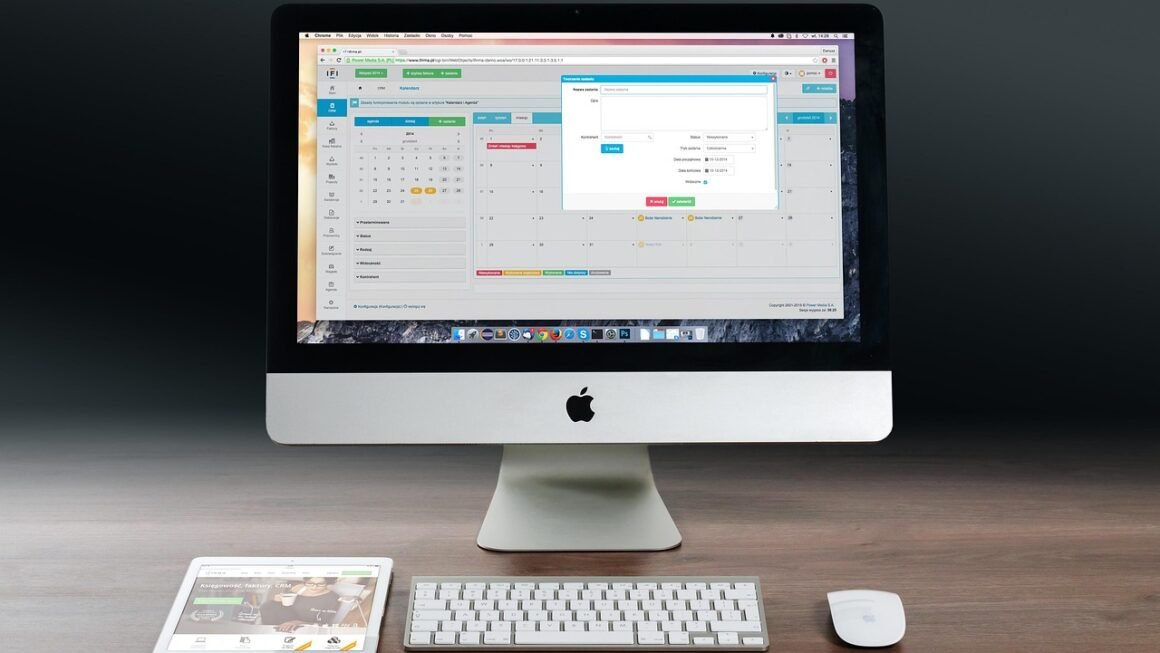
In today’s fast-paced world, maximizing productivity is crucial for success, whether you’re a student, freelancer, or part of a large organization. With countless distractions vying for our attention, leveraging the right productivity tools can be a game-changer. This blog post explores a selection of powerful tools designed to help you streamline your workflow, manage your time effectively, and ultimately achieve your goals.
Task Management Tools
Effective task management is the cornerstone of productivity. These tools help you organize, prioritize, and track your to-dos, ensuring nothing falls through the cracks.
Asana: Collaborative Task Management
Asana is a web and mobile application designed to help teams organize, track, and manage their work. It’s a versatile tool that caters to projects of all sizes.
- Key Features:
Task assignment with due dates and assignees.
Project views including list, board (Kanban), and timeline.
Collaboration features like commenting and file sharing.
Reporting and analytics to track progress.
Integration with other popular tools like Slack and Google Drive.
- Practical Example: A marketing team can use Asana to manage a new product launch, assigning tasks like creating marketing materials, writing blog posts, and managing social media campaigns to individual team members. Due dates, progress updates, and file sharing are all centralized within the platform.
Todoist: Simple and Powerful
Todoist focuses on simplicity and ease of use, making it a great option for individuals and small teams.
- Key Features:
Task creation with due dates and recurring schedules.
Project organization with sub-tasks and sections.
Prioritization levels to focus on the most important tasks.
Collaboration features for sharing tasks with others.
Available on multiple platforms, including web, desktop, and mobile.
- Practical Example: A student can use Todoist to manage their coursework, setting due dates for assignments, breaking down larger projects into smaller, more manageable tasks, and prioritizing tasks based on their importance.
Time Management Tools
Time management is essential for maximizing productivity. These tools help you track how you spend your time, identify time-wasting activities, and optimize your schedule.
Toggl Track: Time Tracking Made Easy
Toggl Track is a simple and intuitive time tracking tool that helps you monitor how you spend your time on different tasks and projects.
- Key Features:
Easy-to-use timer with one-click start/stop.
Project and client tracking.
Detailed reports to analyze time usage.
Team collaboration features.
Integration with other productivity tools.
- Practical Example: A freelancer can use Toggl Track to track the time they spend on different client projects, generating accurate invoices and identifying areas where they can improve their efficiency. According to Toggl, users tracking their time are 20% more productive.
RescueTime: Understand Your Habits
RescueTime runs in the background of your computer and mobile devices, tracking the time you spend on different websites and applications.
- Key Features:
Automatic time tracking.
Categorization of websites and applications based on productivity levels (e.g., “very productive,” “very distracting”).
Detailed reports showing how you spend your time.
Goal setting to limit time spent on distracting activities.
Website blocking to eliminate distractions.
- Practical Example: After using RescueTime for a week, you might realize you spend an average of 2 hours per day on social media. You can then set a goal to reduce your social media usage and block distracting websites during work hours.
Communication and Collaboration Tools
Effective communication is essential for teamwork. These tools facilitate communication, collaboration, and information sharing, ensuring everyone is on the same page.
Slack: Streamlined Communication
Slack is a messaging platform designed for team communication. It offers channels for different projects, topics, and teams.
- Key Features:
Real-time messaging.
Channels for organizing conversations.
File sharing.
Integration with other productivity tools.
Voice and video calls.
- Practical Example: A software development team can use Slack to communicate about different features, bug fixes, and project updates. They can create separate channels for different projects and use the file sharing feature to share code and documentation.
Google Workspace: All-in-One Productivity Suite
Google Workspace (formerly G Suite) provides a suite of online productivity tools, including Gmail, Google Drive, Google Docs, Google Sheets, and Google Slides.
- Key Features:
Email (Gmail).
Cloud storage (Google Drive).
Document creation and editing (Google Docs).
Spreadsheet creation and editing (Google Sheets).
Presentation creation and editing (Google Slides).
Video conferencing (Google Meet).
- Practical Example: A remote team can use Google Workspace to collaborate on documents in real-time, share files in Google Drive, and conduct video conferences using Google Meet.
Note-Taking and Knowledge Management Tools
These tools help you capture ideas, organize information, and build a personal knowledge base, making it easier to access and use information when you need it.
Evernote: The Classic Note-Taking App
Evernote allows you to create and organize notes, web clippings, and other information.
- Key Features:
Note creation with rich text formatting.
Notebook organization.
Web clipping.
Tagging.
Search functionality.
Cross-platform availability.
- Practical Example: A researcher can use Evernote to collect research articles, create notes on key concepts, and organize information into notebooks for different projects.
Notion: All-in-One Workspace
Notion is a versatile workspace that combines note-taking, task management, and project management features.
- Key Features:
Note-taking with rich text formatting and multimedia support.
Database functionality for creating tables and lists.
Kanban boards for task management.
Wikis for creating knowledge bases.
Collaboration features for sharing workspaces with others.
- Practical Example: A startup team can use Notion to create a company wiki, manage projects with Kanban boards, and take meeting notes, all within a single platform.
Automation Tools
Automation can significantly boost productivity by streamlining repetitive tasks and freeing up your time for more important activities.
Zapier: Connect Your Apps
Zapier allows you to automate workflows between different web applications.
- Key Features:
Connection of thousands of different apps.
Trigger-action automation.
Customizable workflows.
Pre-built “Zaps” for common integrations.
- Practical Example: You can use Zapier to automatically save email attachments to Google Drive, add new contacts to your CRM, or post updates to social media when a new blog post is published.
IFTTT: If This Then That
IFTTT (If This Then That) is a similar automation tool that allows you to connect different apps and devices.
- Key Features:
Connection of various apps and devices.
Applet creation using “if this, then that” logic.
* Pre-built applets for common tasks.
- Practical Example: You can use IFTTT to automatically turn on your smart lights when you arrive home, save photos you’re tagged in on Facebook to Google Photos, or receive a notification when the weather forecast predicts rain.
Conclusion
Choosing the right productivity tools can significantly impact your ability to manage your time, stay organized, and achieve your goals. Experiment with different tools to find those that best suit your individual needs and workflow. By leveraging the power of these tools, you can unlock your full potential and become more productive than ever before.