Crafting engaging email campaigns can feel like navigating a labyrinth. But with the right email marketing software, you can transform this challenge into a streamlined, effective, and even enjoyable process. Whether you’re a seasoned marketer or just starting to build your email list, understanding the power and capabilities of modern email marketing platforms is crucial for driving growth and fostering customer relationships. Let’s dive into the world of email marketing software and unlock its potential for your business.
What is Email Marketing Software and Why Do You Need It?
Email marketing software is a platform that allows businesses to create, send, automate, and track email campaigns. Think of it as your command center for all things email. It goes far beyond simply sending emails from your Gmail account.
Key Benefits of Using Email Marketing Software
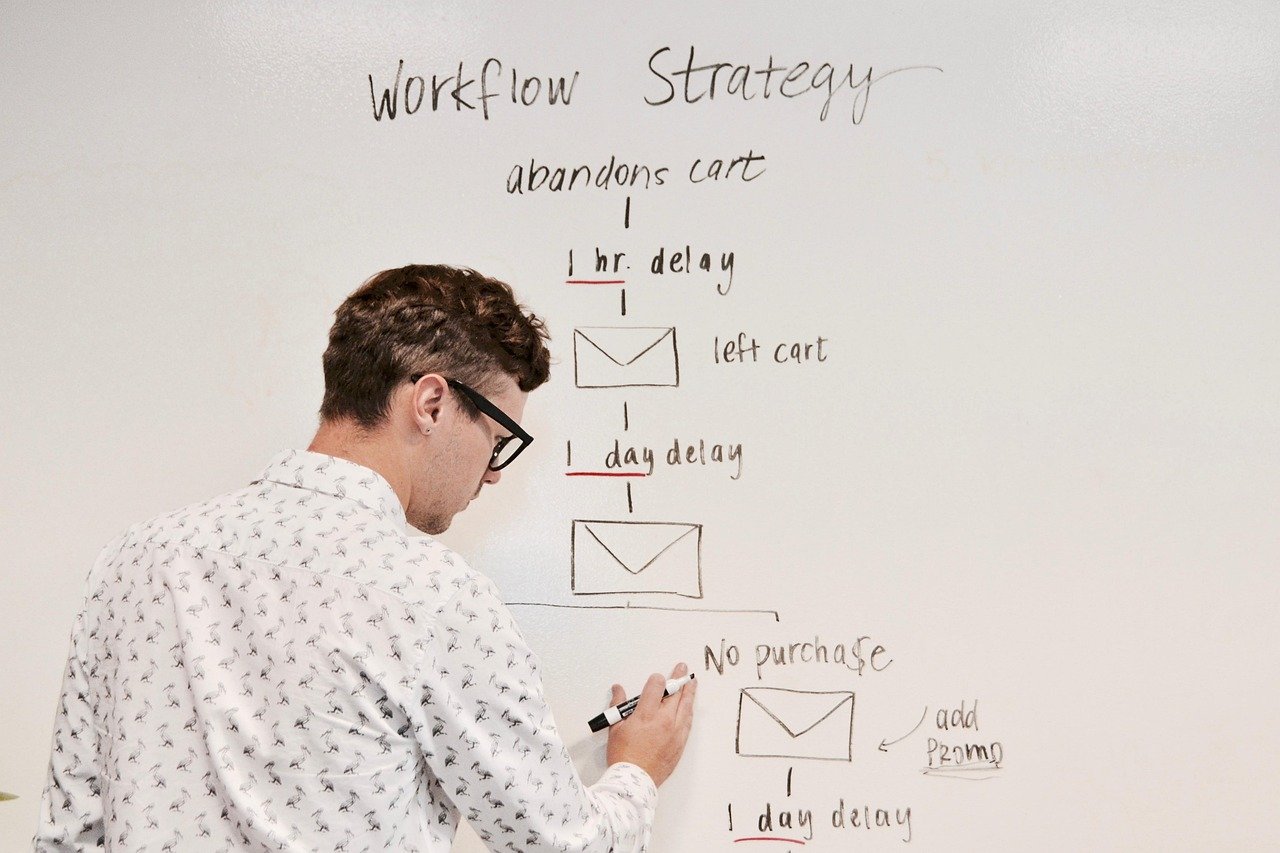
- Automation: Automate repetitive tasks such as welcome emails, birthday greetings, and abandoned cart reminders. This saves time and ensures consistent communication with your audience.
- Segmentation: Divide your audience into targeted groups based on demographics, behavior, purchase history, and more. This allows you to send more relevant and personalized emails, increasing engagement and conversion rates.
- Personalization: Tailor email content to individual recipients using merge tags (e.g., including the recipient’s name) and dynamic content blocks. Personalized emails are more likely to resonate with your audience.
- Analytics & Reporting: Track key metrics like open rates, click-through rates, conversion rates, and bounce rates. These insights help you understand what’s working and what’s not, allowing you to optimize your campaigns for better results.
- Improved Deliverability: Ensure your emails reach the inbox instead of the spam folder by leveraging features like authentication protocols (SPF, DKIM, DMARC) and list hygiene tools.
- Compliance: Stay compliant with regulations like GDPR and CAN-SPAM by using features like opt-in forms, unsubscribe links, and preference centers.
- Example: Imagine you run an e-commerce store selling athletic apparel. Without email marketing software, you might send the same generic email to all subscribers. With email marketing software, you could segment your audience based on their preferred sport (e.g., running, basketball, yoga) and send targeted emails featuring products relevant to their interests.
Essential Features to Look For
Choosing the right email marketing software depends on your specific needs and budget. However, some features are essential for almost any business.
Core Functionality
- Email Editor: A user-friendly drag-and-drop editor to create visually appealing and mobile-responsive emails.
- List Management: Tools for importing, segmenting, and managing your email lists. Look for features like automated list cleaning and suppression.
- Automation Workflows: The ability to create automated email sequences triggered by specific events (e.g., signing up for a newsletter, making a purchase).
- A/B Testing: Test different subject lines, email content, or send times to optimize your campaigns for better performance.
- Reporting and Analytics: Comprehensive reporting dashboards that provide insights into key email marketing metrics.
- Integrations: Integration with other marketing tools like CRM systems, e-commerce platforms, and social media platforms.
Advanced Features (Depending on Your Needs)
- Personalization Tools: Dynamic content, behavioral targeting, and AI-powered personalization.
- Predictive Analytics: Forecasting future email marketing performance based on historical data.
- SMS Marketing: Integration with SMS marketing to send text messages to your subscribers.
- Landing Page Builder: A tool to create landing pages to capture leads and drive conversions.
- Marketing Automation: More advanced automation capabilities that go beyond email, such as lead scoring and CRM integration.
- Example: A small business might prioritize an easy-to-use email editor and basic automation features. A larger enterprise might need more advanced features like predictive analytics and integration with a complex CRM system.
Popular Email Marketing Software Options
The market is flooded with email marketing software. Here are a few popular options, catering to different needs and budgets:
Options and Pricing
- Mailchimp: A popular option, especially for small businesses, due to its user-friendly interface and free plan (limited features). Pricing scales as your list grows.
- Constant Contact: Known for its ease of use and focus on small businesses. Offers a range of features, including email marketing, social media marketing, and website building.
- Sendinblue: Offers a comprehensive marketing platform with email marketing, SMS marketing, and CRM features. Offers a free plan and affordable paid plans.
- ActiveCampaign: A powerful marketing automation platform that includes email marketing, CRM, and sales automation features. Ideal for businesses that need advanced automation capabilities.
- GetResponse: Offers a range of marketing tools, including email marketing, landing pages, and webinars. Features a drag-and-drop email editor and advanced automation features.
- Klaviyo: A popular email marketing platform for e-commerce businesses, with advanced segmentation and personalization features. Integrates deeply with popular e-commerce platforms like Shopify and Magento.
- Tip: Most email marketing software providers offer free trials. Take advantage of these trials to test out different platforms and see which one best fits your needs. Consider factors like pricing, features, ease of use, and customer support.
Best Practices for Effective Email Marketing
Having the right software is only half the battle. You also need to follow best practices to ensure your email campaigns are effective and engaging.
Optimizing Your Campaigns
- Build an engaged list: Focus on acquiring subscribers who are genuinely interested in your products or services. Use opt-in forms and offer valuable incentives for signing up.
- Segment your audience: Divide your list into targeted groups based on demographics, behavior, and purchase history. This allows you to send more relevant and personalized emails.
- Write compelling subject lines: Your subject line is the first thing recipients see, so make it count. Use clear, concise, and attention-grabbing language. A/B test different subject lines to see what works best.
- Personalize your emails: Use merge tags to include the recipient’s name and other personalized information. Tailor the email content to their interests and needs.
- Design visually appealing emails: Use high-quality images, videos, and a clear and concise layout. Ensure your emails are mobile-responsive.
- Include a clear call to action: Tell recipients what you want them to do, whether it’s visiting your website, making a purchase, or downloading a resource.
- Track your results: Monitor key metrics like open rates, click-through rates, and conversion rates. Use these insights to optimize your campaigns for better performance.
- Comply with email marketing regulations: Adhere to GDPR, CAN-SPAM, and other relevant regulations. Include an unsubscribe link in every email and respect recipient preferences.
- Example: Instead of sending a generic email with the subject line “New Products!”, try a more personalized and compelling subject line like “[Name], Check Out Our New Running Shoes Just for You!”.
Conclusion
Email marketing software is an indispensable tool for any business looking to build stronger customer relationships, drive sales, and grow their brand. By understanding the features, benefits, and best practices outlined in this guide, you can choose the right software and create effective email campaigns that deliver real results. Remember to focus on building an engaged list, segmenting your audience, personalizing your emails, and constantly tracking your results to optimize your performance. With the right approach, email marketing can be a powerful engine for your business success.