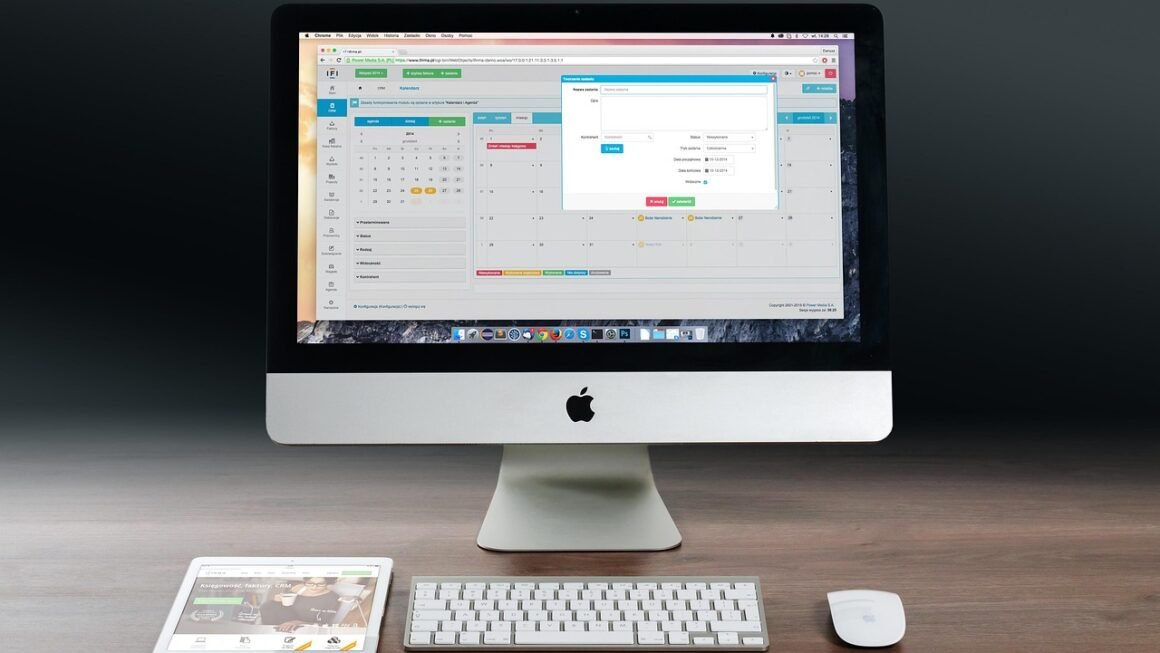
Team collaboration is the engine that drives innovation, productivity, and success in today’s dynamic work environment. When individuals come together, share ideas, and work towards a common goal, the results can be truly remarkable. However, effective team collaboration isn’t just about putting people in a room together. It requires strategic planning, the right tools, and a commitment to fostering a culture of open communication and mutual respect. This blog post will delve into the essential elements of team collaboration, offering practical strategies and insights to help your team achieve peak performance.
Understanding the Importance of Team Collaboration
Enhanced Productivity and Efficiency
Team collaboration significantly boosts productivity and efficiency. By pooling diverse skills and knowledge, teams can accomplish tasks more quickly and effectively than individuals working in isolation. When team members work together, they can:
- Share the workload: Distributing tasks reduces individual burden and prevents burnout.
- Solve problems faster: Collective brainstorming leads to more creative and efficient solutions.
- Avoid duplication of effort: Clear communication prevents team members from unknowingly working on the same task.
Example: Imagine a marketing team launching a new product. With effective collaboration, the content creators, designers, and social media managers can coordinate their efforts seamlessly. This ensures a consistent brand message across all platforms and a more impactful launch.
Fostering Creativity and Innovation
Collaborative environments are breeding grounds for creativity and innovation. When team members feel comfortable sharing ideas without fear of judgment, it encourages them to think outside the box. Key benefits include:
- Diverse perspectives: Exposure to different viewpoints sparks new ideas and challenges assumptions.
- Brainstorming opportunities: Structured brainstorming sessions generate a wider range of potential solutions.
- Constructive feedback: Peer feedback helps refine ideas and identify potential weaknesses.
Example: Consider a product development team working on a new software feature. By encouraging open discussions and collaborative design sessions, the team can uncover innovative solutions that might not have emerged from individual work.
Improved Communication and Transparency
Team collaboration thrives on clear and transparent communication. When team members communicate openly and honestly, it builds trust and strengthens relationships. This leads to:
- Reduced misunderstandings: Clear communication minimizes the risk of misinterpretations and errors.
- Increased accountability: Team members are more likely to take ownership of their tasks when they know their contributions are visible to the team.
- Stronger team cohesion: Open communication fosters a sense of belonging and strengthens team bonds.
Example: A project management team using a collaborative project management tool like Asana or Trello can track progress, share updates, and communicate in real-time. This ensures everyone is on the same page and potential roadblocks are addressed promptly.
Essential Tools for Effective Team Collaboration
Project Management Software
Project management software is a cornerstone of effective team collaboration. These tools provide a centralized platform for planning, organizing, and tracking projects. Popular options include:
- Asana: A versatile tool for task management, project tracking, and team communication.
- Trello: A visual project management tool that uses Kanban boards to organize tasks and track progress.
- Monday.com: A highly customizable platform for managing projects, workflows, and team collaboration.
Actionable Takeaway: Invest in a project management software that suits your team’s needs and provides features for task assignment, progress tracking, and communication.
Communication Platforms
Real-time communication is crucial for seamless team collaboration. Communication platforms facilitate instant messaging, video conferencing, and file sharing. Key options include:
- Slack: A popular messaging app with channels for different teams, projects, and topics.
- Microsoft Teams: A comprehensive collaboration platform that integrates chat, video conferencing, and file sharing.
- Zoom: A leading video conferencing platform for online meetings, webinars, and virtual events.
Actionable Takeaway: Choose a communication platform that enables quick and easy communication, file sharing, and screen sharing.
Document Collaboration Tools
Collaborative document creation and editing tools streamline the process of creating and refining documents. Popular options include:
- Google Workspace (Docs, Sheets, Slides): Cloud-based tools for creating and editing documents, spreadsheets, and presentations in real-time.
- Microsoft Office 365: A suite of desktop and cloud-based applications for document creation, editing, and sharing.
- Dropbox Paper: A collaborative document editor for brainstorming, note-taking, and project planning.
Actionable Takeaway: Utilize document collaboration tools to enable simultaneous editing, version control, and real-time feedback on documents.
Fostering a Collaborative Culture
Establishing Clear Roles and Responsibilities
Defining clear roles and responsibilities is essential for preventing confusion and ensuring accountability. Each team member should understand their specific tasks and how they contribute to the overall project goals. Strategies include:
- Creating a RACI matrix: A RACI matrix (Responsible, Accountable, Consulted, Informed) clarifies roles and responsibilities for each task or decision.
- Developing job descriptions: Detailed job descriptions outline the responsibilities and expectations for each team member.
- Holding regular check-ins: Frequent check-ins provide opportunities to clarify roles and address any confusion.
Example: In a software development team, the project manager is responsible for overseeing the project, the developers are responsible for writing code, and the testers are responsible for ensuring the quality of the software.
Encouraging Open Communication and Feedback
Creating a culture of open communication and feedback is crucial for building trust and fostering collaboration. Team members should feel comfortable sharing their ideas, providing constructive criticism, and asking for help. Techniques include:
- Implementing regular feedback sessions: Scheduled feedback sessions provide opportunities for team members to share their thoughts and receive feedback from their peers.
- Using anonymous feedback tools: Anonymous feedback tools allow team members to provide honest feedback without fear of retribution.
- Promoting active listening: Encourage team members to listen attentively to each other and ask clarifying questions.
Example: A team leader can create a safe space for feedback by starting meetings with a “check-in” where team members can share their thoughts and feelings openly. This fosters a sense of psychological safety and encourages honest communication.
Recognizing and Rewarding Team Contributions
Recognizing and rewarding team contributions is essential for motivating team members and fostering a sense of appreciation. Acknowledging individual and team accomplishments can boost morale and encourage continued collaboration. Approaches include:
- Publicly acknowledging achievements: Recognize team and individual accomplishments in team meetings or company newsletters.
- Offering incentives: Provide rewards such as gift cards, extra vacation time, or opportunities for professional development.
- Celebrating milestones: Celebrate project milestones and team successes to reinforce positive behaviors.
Example: A marketing team that successfully launches a new campaign could be rewarded with a team lunch or a bonus to recognize their collective efforts and achievements.
Overcoming Common Team Collaboration Challenges
Conflict Resolution
Conflict is inevitable in any team environment. However, effective conflict resolution strategies can prevent disputes from escalating and damaging team relationships. Techniques include:
- Encouraging open dialogue: Facilitate open and honest communication between conflicting parties.
- Mediation: Use a neutral third party to help resolve disputes and find common ground.
- Establishing clear conflict resolution processes: Develop a formal process for addressing and resolving conflicts.
Example: If two team members have conflicting ideas about how to approach a task, the team leader can facilitate a discussion to explore both perspectives and find a compromise that satisfies both parties.
Communication Breakdown
Communication breakdowns can lead to misunderstandings, errors, and delays. To prevent communication breakdowns, it’s crucial to establish clear communication channels and protocols. Strategies include:
- Using communication tools effectively: Ensure team members are proficient in using communication tools and understand the best channels for different types of communication.
- Establishing clear communication protocols: Define guidelines for communication frequency, response times, and preferred communication channels.
- Encouraging active listening: Promote active listening skills to ensure messages are accurately received and understood.
Example: A project manager can establish a rule that all critical updates and decisions should be communicated via email to ensure they are documented and easily accessible to all team members.
Lack of Accountability
A lack of accountability can undermine team collaboration and prevent projects from reaching their goals. To foster accountability, it’s essential to clearly define roles and responsibilities and track progress regularly. Techniques include:
- Setting clear goals and deadlines: Establish specific, measurable, achievable, relevant, and time-bound (SMART) goals for each task and project.
- Tracking progress regularly: Use project management tools to monitor progress and identify potential roadblocks.
- Holding regular check-ins: Conduct frequent check-ins to review progress, address challenges, and provide support.
Example: A team can use a Kanban board to track the progress of tasks and hold daily stand-up meetings to review progress and identify any obstacles that need to be addressed.
Conclusion
Effective team collaboration is a critical ingredient for success in today’s fast-paced business environment. By understanding the importance of collaboration, investing in the right tools, fostering a collaborative culture, and addressing common challenges, you can empower your team to achieve remarkable results. Remember that collaboration isn’t just about working together; it’s about creating an environment where individuals can thrive, share their ideas, and contribute their unique talents to achieve common goals. Embrace these strategies, and watch your team’s productivity, innovation, and overall success soar.