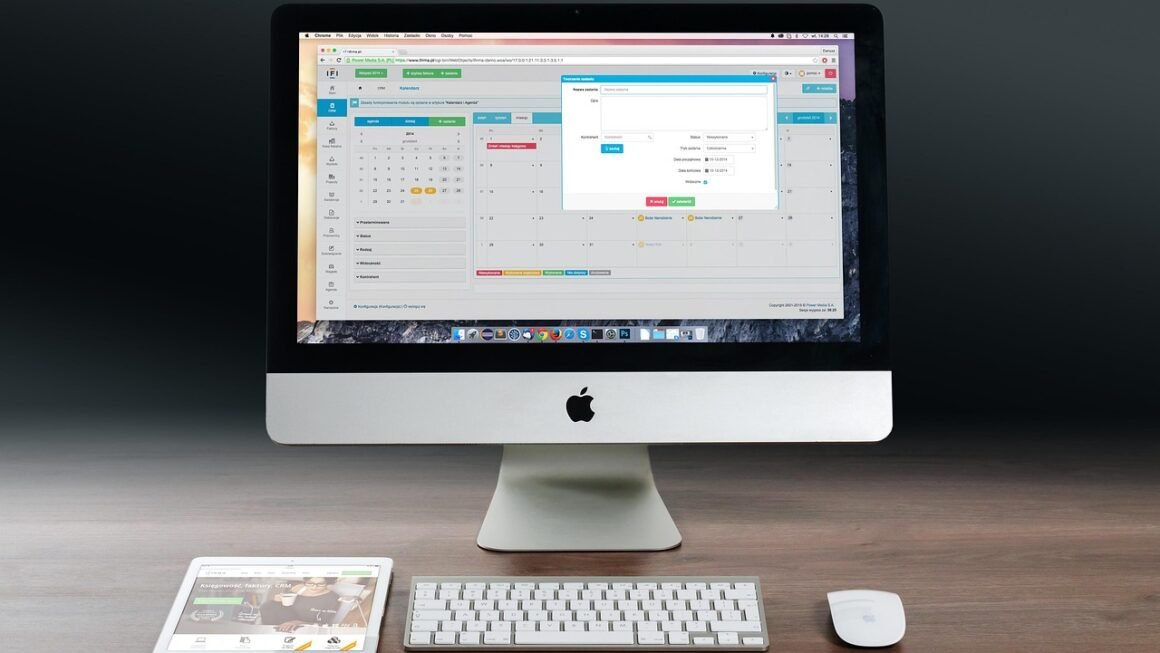
Remote project management has transformed the way teams collaborate and achieve their goals. Gone are the days of physical co-location being a prerequisite for successful projects. Today, with the right strategies, tools, and communication techniques, remote teams can not only match but often exceed the productivity and innovation of their in-office counterparts. This article delves into the intricacies of remote project management, offering practical guidance on how to navigate the challenges and leverage the opportunities that come with distributed teams.
Understanding Remote Project Management
Remote project management is more than just shifting project tasks online. It’s a strategic approach that requires adapting traditional project management methodologies to suit a geographically dispersed workforce. It encompasses everything from defining project scope and timelines to managing resources, fostering communication, and mitigating risks – all while team members operate from different locations, time zones, and potentially, even cultures.
Key Differences from Traditional Project Management
- Communication is paramount: In a remote setting, spontaneous water cooler conversations are nonexistent. Therefore, a deliberate and robust communication strategy is essential.
- Technology is indispensable: Remote teams rely heavily on technology for collaboration, task management, and information sharing. Choosing the right tools is crucial.
- Trust and autonomy are vital: Successfully managing a remote team requires trusting team members to manage their time and work independently, fostering a sense of ownership.
- Flexibility and adaptability are key: Remote work environments are inherently dynamic. Project managers must be prepared to adapt to changing circumstances and individual needs.
Example: A project deadline may need adjustment to accommodate a team member’s personal obligations or a connectivity issue.
The Benefits of Remote Project Management
- Access to a wider talent pool: Geographic boundaries are no longer a constraint, allowing organizations to recruit the best talent globally.
- Increased employee satisfaction and retention: Remote work offers employees greater flexibility and work-life balance, leading to higher job satisfaction. Studies have shown that remote workers are often more loyal to their employers.
- Reduced overhead costs: Eliminating or reducing office space can significantly lower operational expenses.
- Improved productivity: Many studies indicate that remote workers are more productive due to fewer distractions and increased autonomy. A Stanford study found that remote workers were 13% more productive than their in-office counterparts.
- Business continuity: Remote teams can continue working even when unforeseen events disrupt traditional office environments.
Essential Tools and Technologies for Remote Project Management
The success of remote project management hinges on having the right tools and technologies in place. These tools facilitate communication, collaboration, task management, and overall project visibility.
Project Management Software
- Asana: A popular choice for task management, project tracking, and team collaboration. Features include task assignments, deadlines, progress tracking, and communication channels.
Example: Creating a project in Asana with different sections (e.g., “To Do,” “In Progress,” “Completed”) and assigning tasks to team members with specific deadlines.
- Trello: Known for its visual Kanban board interface, Trello allows teams to organize tasks into customizable lists and cards, making it easy to track progress and manage workflows.
Example: Using Trello to manage a content calendar, with lists for “Idea Generation,” “Drafting,” “Editing,” and “Published.”
- Monday.com: A highly customizable platform that offers a wide range of features, including project tracking, resource management, and reporting.
Example: Using Monday.com to track the budget, timeline, and resources allocated to different project tasks.
Communication and Collaboration Tools
- Slack: A widely used messaging platform that enables real-time communication, file sharing, and integration with other project management tools.
- Microsoft Teams: Another comprehensive communication and collaboration platform that offers chat, video conferencing, and file sharing capabilities.
- Zoom: A popular video conferencing tool that is essential for virtual meetings, team presentations, and remote training.
Documentation and Knowledge Sharing Tools
- Google Workspace (Docs, Sheets, Slides): Cloud-based tools that allow teams to collaborate on documents, spreadsheets, and presentations in real-time.
- Confluence: A knowledge management tool that helps teams create, organize, and share information in a centralized location.
Best Practices for Remote Project Communication
Effective communication is the cornerstone of successful remote project management. Without it, projects can easily derail due to misunderstandings, misinterpretations, and a lack of coordination.
Establishing Clear Communication Channels
- Designate specific communication channels for different purposes: For example, use Slack for quick questions and updates, email for formal communication, and video conferencing for team meetings and discussions.
- Set clear expectations for response times: Define how quickly team members should respond to messages and emails to avoid delays and ensure timely communication.
- Encourage open and transparent communication: Create a culture where team members feel comfortable sharing their ideas, concerns, and feedback.
Implementing Regular Check-Ins and Meetings
- Daily stand-up meetings: Short, focused meetings to discuss progress, identify roadblocks, and coordinate tasks. These should be kept brief (ideally 15 minutes or less).
- Weekly team meetings: More in-depth meetings to review project progress, discuss challenges, and plan for the week ahead.
- One-on-one meetings: Regular meetings between the project manager and individual team members to provide support, address concerns, and track progress.
* Example: A project manager could use a one-on-one meeting to discuss a team member’s progress on a specific task, provide feedback, and address any challenges they are facing.
Leveraging Visual Communication
- Use visual aids in meetings and presentations: Visuals can help to clarify complex information and keep team members engaged.
- Create visual project dashboards: Dashboards can provide a quick overview of project progress, timelines, and key metrics.
- Utilize screen sharing for collaboration: Screen sharing can be helpful for demonstrating tasks, providing feedback on designs, and troubleshooting issues.
Managing Remote Project Risks and Challenges
Remote projects, while offering numerous advantages, also present unique challenges that need to be addressed proactively. Identifying and mitigating risks is essential for ensuring project success.
Common Challenges in Remote Project Management
- Communication barriers: Misunderstandings and misinterpretations can arise due to a lack of face-to-face interaction.
- Lack of trust and accountability: Building trust and ensuring accountability can be challenging in a remote setting.
- Time zone differences: Coordinating meetings and communication across different time zones can be complex.
- Technical difficulties: Internet connectivity issues, software glitches, and hardware failures can disrupt work.
- Social isolation and burnout: Remote workers may experience feelings of isolation and burnout due to a lack of social interaction and blurred boundaries between work and personal life.
Strategies for Mitigating Risks
- Develop a comprehensive communication plan: Outline communication channels, response times, and meeting schedules.
- Establish clear roles and responsibilities: Define the roles and responsibilities of each team member to avoid confusion and overlap.
- Implement robust monitoring and tracking mechanisms: Track project progress, identify potential issues, and take corrective action promptly.
- Provide adequate training and support: Ensure that team members have the necessary skills and resources to work effectively remotely.
- Foster a strong team culture: Encourage collaboration, communication, and social interaction to combat isolation and build trust.
Addressing Time Zone Differences
- Schedule meetings during overlapping hours: Find a time that works for the majority of the team, even if it means some members have to adjust their schedules slightly.
- Record meetings for those who cannot attend: Make meeting recordings available for team members who are unable to attend due to time zone differences.
- Use asynchronous communication methods: Leverage email, messaging platforms, and project management tools to communicate and collaborate outside of synchronous meetings.
Fostering a Positive Remote Team Culture
Creating a positive and supportive team culture is crucial for the success of remote projects. A strong team culture fosters collaboration, trust, and a sense of belonging, which can enhance productivity and employee satisfaction.
Building Trust and Rapport
- Encourage informal communication: Create opportunities for team members to connect on a personal level, such as virtual coffee breaks or team-building activities.
- Share personal updates and stories: Encourage team members to share personal updates and stories to build rapport and foster a sense of connection.
- Recognize and celebrate achievements: Acknowledge and celebrate individual and team accomplishments to boost morale and reinforce positive behaviors.
Promoting Collaboration and Teamwork
- Use collaborative tools and platforms: Encourage team members to use collaborative tools and platforms to work together on tasks and projects.
- Organize virtual team-building activities: Host virtual team-building activities, such as online games or virtual escape rooms, to promote teamwork and collaboration.
- Encourage peer-to-peer learning and mentorship: Create opportunities for team members to learn from each other and share their expertise.
Supporting Employee Well-being
- Promote work-life balance: Encourage team members to take breaks, disconnect from work after hours, and prioritize their well-being.
- Provide access to resources and support: Offer access to mental health resources, wellness programs, and employee assistance programs.
- Check in with team members regularly: Conduct regular check-ins to assess their well-being and provide support as needed.
Conclusion
Remote project management offers tremendous opportunities for organizations to access global talent, reduce costs, and improve productivity. However, success requires a strategic approach that encompasses the right tools, communication strategies, and cultural practices. By implementing the best practices outlined in this article, project managers can effectively navigate the challenges of remote work and create a thriving environment where teams can collaborate, innovate, and achieve their goals. Remember that building trust, fostering open communication, and prioritizing employee well-being are fundamental to the long-term success of any remote project. As remote work continues to evolve, adapting and refining your approach will be key to staying ahead of the curve and maximizing the benefits of this increasingly prevalent work model.