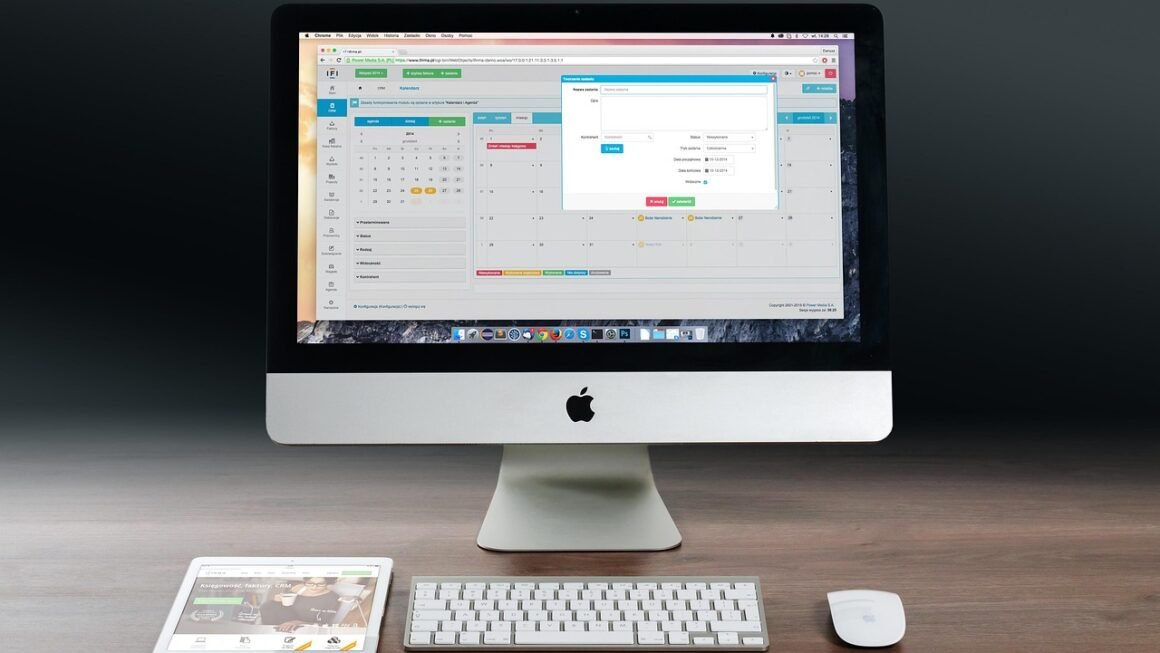
Crafting a successful project hinges on many factors, but one often overlooked yet fundamentally crucial element is the project timeline. A well-defined timeline provides a roadmap, guiding the project team through each phase, ensuring milestones are met, and ultimately contributing to on-time and within-budget delivery. Without it, projects can quickly veer off course, leading to delays, cost overruns, and frustrated stakeholders.
Why Project Timelines are Essential
Enhanced Project Planning
A robust project timeline forces a meticulous approach to planning. By breaking down the project into smaller, more manageable tasks, and assigning realistic durations to each, you gain a clearer understanding of the overall scope and complexity.
- Detailed Task Breakdown: Identifies every activity required for project completion.
- Dependency Mapping: Highlights relationships between tasks, preventing bottlenecks.
- Resource Allocation: Facilitates optimal resource assignment based on task requirements and team availability.
- Example: Imagine planning a website redesign. A project timeline would break this down into stages like: (1) Discovery & Planning (2) Design (3) Content Creation (4) Development (5) Testing & Launch. Each stage then contains numerous subtasks, with estimated durations and assigned team members.
Improved Communication and Collaboration
A shared project timeline serves as a central point of reference for all team members, promoting transparency and facilitating effective communication. Everyone knows what’s expected of them and when, minimizing confusion and misunderstandings.
- Centralized Information: Provides a single source of truth for project progress.
- Clear Expectations: Defines roles, responsibilities, and deadlines for each team member.
- Proactive Problem Solving: Allows for early identification of potential delays or roadblocks.
- Example: Using a Gantt chart accessible to the entire team enables members to track their progress, view dependencies, and communicate any potential issues promptly. Regular project status meetings, guided by the timeline, ensure everyone is on the same page.
Efficient Resource Management
A well-crafted project timeline enables efficient allocation and management of resources. By anticipating resource needs and scheduling them appropriately, you can avoid resource conflicts and ensure that the right resources are available at the right time.
- Resource Forecasting: Anticipates resource requirements throughout the project lifecycle.
- Conflict Resolution: Identifies and resolves potential resource conflicts proactively.
- Cost Optimization: Minimizes resource wastage by aligning resource allocation with project needs.
- Example: A marketing campaign rollout requires designers, copywriters, and social media specialists. The timeline will show when each team member is needed, ensuring their time is utilized effectively without overlap or gaps. This also helps in accurately estimating the overall project cost.
Key Components of a Project Timeline
Defining Tasks and Milestones
This involves breaking down the project into smaller, more manageable tasks and identifying key milestones that mark significant progress.
- Work Breakdown Structure (WBS): A hierarchical decomposition of the project into tasks.
- Milestone Definition: Identifying critical points in the project that indicate progress.
- Task Dependencies: Defining the relationships between tasks, specifying which tasks must be completed before others can begin.
- Example: For a software development project, milestones could include: completion of design specifications, completion of coding, completion of testing, and successful deployment. Tasks would be granular activities like: “Develop user authentication module,” “Design user interface,” and “Write unit tests.”
Estimating Task Durations
Accurate estimation of task durations is crucial for creating a realistic timeline. Overly optimistic estimates can lead to delays, while overly pessimistic estimates can result in wasted resources.
- Historical Data: Leverage data from past projects to inform estimates.
- Expert Judgment: Consult with experienced team members for their input.
- Three-Point Estimating: Use optimistic, pessimistic, and most likely estimates to calculate an average duration.
- Example: If a similar task took 5 days in a previous project, you can use that as a baseline. However, consider any factors that might make the current task more or less challenging, such as the complexity of the code or the experience level of the developer.
Choosing the Right Timeline Tool
Several tools can assist in creating and managing project timelines, ranging from simple spreadsheets to sophisticated project management software.
- Gantt Charts: Visually represent tasks, durations, and dependencies.
- Kanban Boards: Track progress of tasks through different stages.
- Project Management Software (e.g., Asana, Trello, Microsoft Project): Offer comprehensive features for planning, scheduling, and tracking projects.
- Example: For smaller projects, a simple spreadsheet might suffice. For larger, more complex projects, a project management tool like Asana or Microsoft Project offers advanced features like dependency management, resource allocation, and progress tracking.
Tips for Creating Effective Project Timelines
Be Realistic and Account for Contingencies
Avoid overly optimistic estimates and build in buffer time to account for unexpected delays.
- Contingency Planning: Identify potential risks and develop mitigation strategies.
- Buffer Time: Allocate extra time for tasks that are particularly critical or uncertain.
- Regular Monitoring: Track progress closely and adjust the timeline as needed.
- Example: If you estimate a task will take 5 days, consider adding a 1-day buffer to account for potential unforeseen issues. Regularly check progress to identify any deviations from the timeline early on.
Involve Stakeholders in the Planning Process
Engage stakeholders in the planning process to ensure their buy-in and alignment with the project goals.
- Stakeholder Identification: Identify all key stakeholders who have an interest in the project.
- Requirements Gathering: Collect input from stakeholders on their requirements and expectations.
- Communication Plan: Establish a clear communication plan to keep stakeholders informed of project progress.
- Example: Hold a kickoff meeting with all stakeholders to discuss the project goals, timeline, and roles and responsibilities. Regularly communicate updates and solicit feedback throughout the project lifecycle.
Regularly Review and Update the Timeline
A project timeline is not a static document; it should be regularly reviewed and updated to reflect changes in the project scope, schedule, or resources.
- Progress Tracking: Monitor progress against the timeline and identify any deviations.
- Change Management: Implement a formal process for managing changes to the project scope, schedule, or resources.
- Communication: Communicate any changes to the timeline to all stakeholders promptly.
- Example:* Hold weekly project status meetings to review progress, identify any issues, and update the timeline accordingly. If a task is delayed, reassess the remaining tasks and adjust their durations as needed.
Conclusion
A well-crafted and diligently managed project timeline is more than just a schedule; it’s the backbone of successful project execution. By embracing the strategies and insights detailed above, you can elevate your project management prowess, ensuring timely delivery, optimized resource utilization, and ultimately, satisfied stakeholders. Embrace the power of the timeline, and watch your projects flourish.