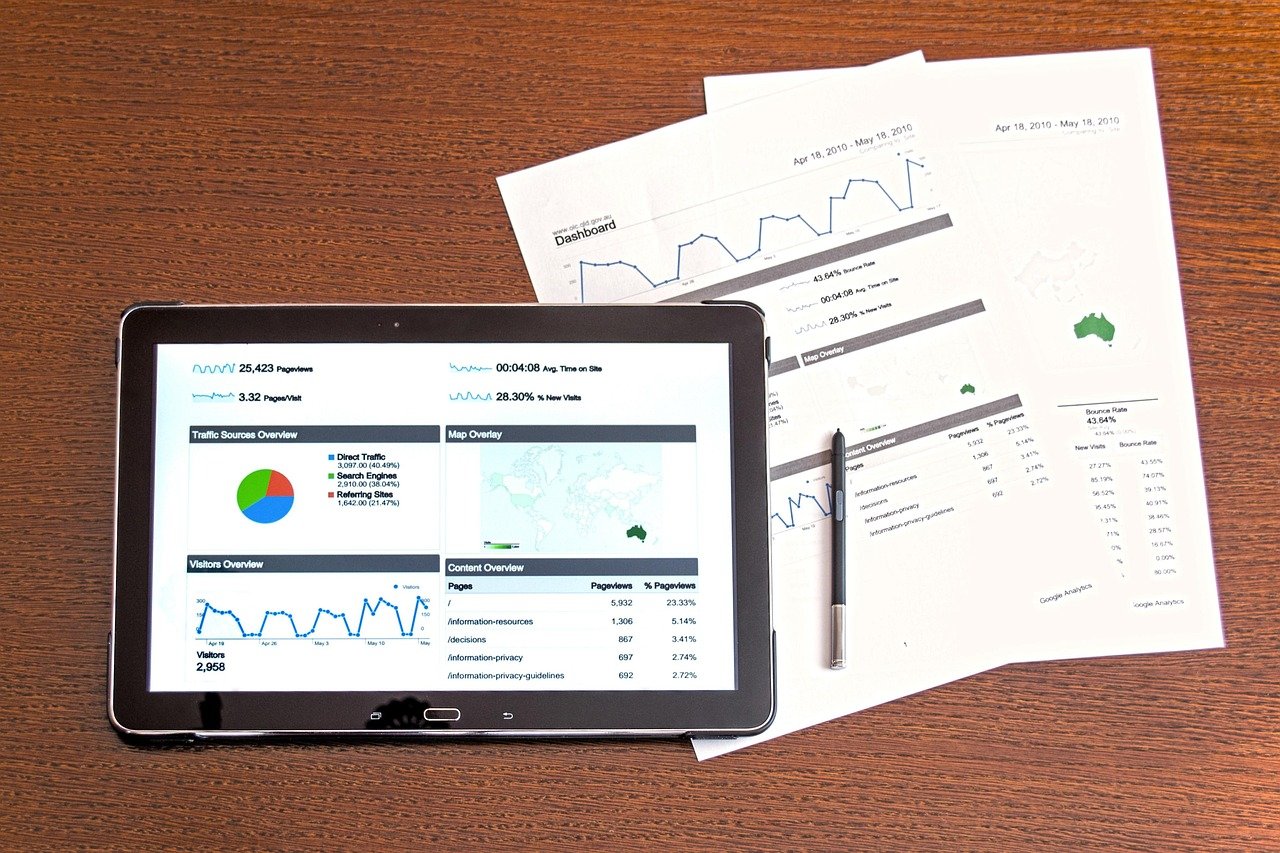
Unlocking the power of your customer data is no longer a luxury; it’s a necessity for businesses striving for sustainable growth. Customer Relationship Management (CRM) systems have become central to this effort, but the real magic happens when you leverage CRM analytics. By transforming raw data into actionable insights, CRM analytics empowers you to understand your customers better, personalize their experiences, and ultimately, drive revenue. This blog post will delve into the world of CRM analytics, exploring its benefits, key metrics, implementation strategies, and how it can revolutionize your business.
Understanding CRM Analytics
What is CRM Analytics?
CRM analytics is the process of collecting, analyzing, and interpreting customer data stored within your CRM system. It goes beyond simple data entry and reporting, using sophisticated techniques to identify patterns, trends, and opportunities. Think of it as the engine that transforms your CRM from a passive repository into a proactive business intelligence tool.
- CRM analytics encompasses a wide range of tools and techniques, including:
Descriptive analytics: Understanding past performance by summarizing historical data.
Diagnostic analytics: Identifying the reasons behind past performance.
Predictive analytics: Forecasting future trends and behaviors.
Prescriptive analytics: Recommending actions to optimize outcomes.
Why is CRM Analytics Important?
In today’s data-driven world, businesses need every advantage they can get. CRM analytics provides a critical edge by enabling:
- Improved customer understanding: Gain insights into customer behavior, preferences, and needs.
- Enhanced customer experience: Personalize interactions and tailor offerings to individual customers.
- Increased sales efficiency: Identify high-potential leads and optimize sales processes.
- Data-driven decision-making: Make informed decisions based on solid evidence, not guesswork.
- Proactive problem solving: Identify potential issues before they escalate and take corrective action.
- Optimized marketing campaigns: Target the right customers with the right message at the right time.
- Competitive Advantage: Stay ahead of the curve by understanding market trends and customer behavior faster than your competitors.
For example, a business using CRM analytics might discover that customers who attend online webinars are significantly more likely to convert into paying customers. Armed with this information, they can focus their marketing efforts on promoting webinars and nurturing webinar attendees, leading to a higher conversion rate.
Key CRM Metrics to Track
Sales Performance Metrics
Tracking sales performance is critical for identifying strengths and weaknesses in your sales process.
- Conversion Rate: Measures the percentage of leads that convert into paying customers. Example: Calculate conversion rate by dividing the number of closed-won deals by the total number of leads.
- Sales Cycle Length: Tracks the average time it takes to close a deal. Example: A shorter sales cycle indicates increased efficiency and faster revenue generation. Analyze the average time it takes for deals to move through each stage of the sales pipeline.
- Customer Lifetime Value (CLTV): Predicts the total revenue a customer will generate over their relationship with your business. Example: Focus on nurturing high-CLTV customers to maximize their value.
- Win Rate: Measures the percentage of sales opportunities that are successfully closed. Example: A high win rate indicates a strong sales team and effective sales strategies. Identify bottlenecks where deals are being lost.
- Average Deal Size: The average revenue generated per closed deal. Example: Increase deal size by upselling or cross-selling related products or services.
Marketing Performance Metrics
Marketing metrics provide insights into the effectiveness of your marketing campaigns.
- Lead Generation: Tracks the number of new leads generated by different marketing channels. Example: Compare the number of leads generated by different campaigns to identify the most effective ones.
- Cost Per Lead (CPL): Calculates the cost of acquiring a single lead. Example: Optimize your campaigns to reduce CPL and improve ROI.
- Website Traffic: Monitors the number of visitors to your website. Example: Analyze website traffic to understand which content is most engaging to visitors.
- Email Open Rates and Click-Through Rates (CTR): Measures the effectiveness of your email marketing campaigns. Example: Improve email subject lines and content to increase open rates and CTR.
- Social Media Engagement: Tracks the level of engagement on your social media channels (likes, shares, comments). Example: Use social media analytics to understand which content resonates best with your audience.
Customer Service Metrics
These metrics provide insights into the quality of your customer service.
- Customer Satisfaction (CSAT): Measures customer satisfaction with your products, services, and support. Example: Conduct customer satisfaction surveys to gather feedback.
- Net Promoter Score (NPS): Measures customer loyalty and willingness to recommend your business to others. Example: Use NPS scores to identify promoters and detractors.
- Customer Retention Rate: Tracks the percentage of customers who remain with your business over a specific period. Example: Implement customer retention strategies to reduce churn.
- Average Resolution Time: Measures the average time it takes to resolve customer issues. Example: Streamline your support processes to reduce resolution time.
- First Contact Resolution (FCR): Measures the percentage of customer issues that are resolved on the first contact. Example: Improve agent training and knowledge base to increase FCR.
Implementing CRM Analytics
Choosing the Right CRM Platform
Selecting the right CRM platform is the foundation for effective analytics.
- Consider your business needs: Evaluate your specific requirements and choose a CRM that offers the features and capabilities you need.
- Evaluate analytics capabilities: Look for a CRM with robust built-in analytics tools or integrations with third-party analytics platforms.
- Assess ease of use: Choose a CRM that is user-friendly and easy to navigate.
- Ensure scalability: Select a CRM that can scale with your business as it grows.
- Consider integrations: Ensure the CRM integrates seamlessly with your other business systems.
Popular CRM platforms with strong analytics capabilities include Salesforce, HubSpot CRM, Zoho CRM, and Microsoft Dynamics 365.
Data Integration and Quality
High-quality data is essential for accurate and reliable CRM analytics.
- Integrate data from multiple sources: Connect your CRM with other data sources, such as marketing automation platforms, accounting systems, and social media platforms.
- Cleanse and validate your data: Remove duplicate or inaccurate data to ensure data quality.
- Establish data governance policies: Implement policies and procedures for data management and maintenance.
- Regularly audit your data: Conduct regular data audits to identify and correct errors.
Training and Adoption
Successful CRM analytics implementation requires proper training and user adoption.
- Provide comprehensive training: Train your employees on how to use the CRM and interpret the analytics data.
- Promote a data-driven culture: Encourage employees to use data to make informed decisions.
- Offer ongoing support: Provide ongoing support and resources to help employees use the CRM effectively.
- Gather feedback: Collect feedback from users to identify areas for improvement.
- Gamify the process: Introduce gamification elements to encourage user engagement and adoption.
Advanced CRM Analytics Techniques
Predictive Analytics
Predictive analytics uses historical data to forecast future trends and behaviors.
- Lead Scoring: Assign scores to leads based on their likelihood to convert into paying customers. Example: Prioritize high-scoring leads for sales outreach.
- Churn Prediction: Identify customers who are likely to churn, allowing you to take proactive measures to retain them. Example: Offer special promotions or discounts to at-risk customers.
- Sales Forecasting: Predict future sales revenue based on historical data and market trends. Example: Use sales forecasts to plan inventory and resource allocation.
- Personalized Recommendations: Recommend products or services to customers based on their past behavior and preferences. Example: Display personalized product recommendations on your website or in email marketing campaigns.
Segmentation
Segmentation involves dividing your customer base into distinct groups based on shared characteristics.
- Demographic Segmentation: Segment customers based on age, gender, location, and other demographic factors.
- Behavioral Segmentation: Segment customers based on their purchase history, website activity, and engagement with your marketing campaigns.
- Psychographic Segmentation: Segment customers based on their values, interests, and lifestyle.
- Needs-Based Segmentation: Segment customers based on their specific needs and pain points.
AI and Machine Learning in CRM Analytics
Artificial intelligence (AI) and machine learning (ML) are transforming CRM analytics.
- Automated Data Analysis: AI and ML algorithms can automatically analyze vast amounts of data to identify patterns and insights.
- Intelligent Automation: Automate repetitive tasks, such as lead scoring and customer segmentation.
- Personalized Customer Experiences: Deliver personalized recommendations and experiences to each customer.
- Chatbots and Virtual Assistants: Use chatbots and virtual assistants to provide instant customer support.
- Sentiment Analysis: Analyze customer feedback to understand their sentiment towards your brand and products.
Conclusion
CRM analytics is a powerful tool that can transform your business by unlocking the value of your customer data. By understanding your customers better, optimizing your sales and marketing processes, and delivering personalized experiences, you can drive revenue growth, improve customer loyalty, and gain a competitive advantage. Embrace CRM analytics and start turning your data into actionable insights today.